
0 Degrees in Campos: Are Mallorca's Nights Prepared for Frost?
A continuous cold front caused local nighttime lows down to 0 °C — Campos was the coldest. Time for a reality check: who suffers from the frost, and what should be improved locally?
0 Degrees in Campos: Are Mallorca's Nights Prepared for Frost?
The nighttime frosts measured in some locations raise questions about preparedness
The island experienced a clearly noticeable cold front over the past nights. The national weather service Aemet reported readings that in places fell to 0 °C — the lowest measured in Campos in the south of the island, as reported by Mallorca Magic's report on 0 °C in Campos. In Palma at the university and in Ses Salines temperatures were around 2 °C, in places like Escorca, the Serra d'Alfàbia, Santa Maria, Calvià and at Palma airport about 3 °C were recorded; Santanyí and Llucmajor reported roughly 4 °C. Some coastal stretches remained comparatively mild with highs around 11 °C (for example at the Capdepera lighthouse, Port de Pollença, Pollença, Port de Sóller and Muro), a pattern also noted in Mallorca Magic's report on fresh nights in Mallorca.
Such nights are not merely a curiosity: the daily average on Wednesday was only just above 14 °C — almost four degrees below what is normally expected for this time of year. Parts of the island were simultaneously under storm warnings, particularly the northeast, which was at risk of strong winds into Thursday afternoon, a situation described in Mallorca Magic's report on the cold front. Rain and showers remained possible after strong hail showers mid-week had already dusted some places white. Aemet expects temperatures to rise and more sun from Friday.
Key question: Are roads, agriculture and especially elderly people in small communities sufficiently prepared for such cold nights?
Critical analysis: Short cold snaps have always affected Mallorca. It becomes problematic when the combination of wind, rain and frost comes together: wet ground and suddenly freezing surfaces increase the risk of accidents, frost can damage young olive and citrus trees, and poorly insulated homes become health hazards for older residents. Many municipalities have emergency plans for floods or heatwaves — measures for local frost events with the current mix of wind and precipitation are often less clearly developed.
What is missing from the public discussion: There is a lot of talk about temperature numbers and warning levels, but too little about concrete everyday consequences: who still makes it to the school bus in the morning when the road is ice-slick? Who checks private water pipes before a cold snap makes them burst? And who informs elderly people without internet access in time about protection measures? These questions rarely appear in regional debates.
Everyday scene from Mallorca: In Campos, early in the morning, the frost crunches underfoot. On the village square the first neighbors are already standing in warm jackets, a woman draws water from a horse trough, freshly frozen herbs hang on the stalls of the small market. In Palma you can hear the palm trees rattling on the Passeig Mallorca in the wind; commuters quickly air out windows before rushing to the office. These images show: frost is not just a number on the thermometer — it briefly changes our daily life.
Concrete approaches: Municipalities should act quickly and pragmatically: refill grit depots at central points and distribute them rapidly on frosty nights; check and, if necessary, adapt school bus routes; activate emergency and visiting lists for older people (phone chains, volunteer neighborhood helpers). For farmers, targeted advice helps: cover sensitive young plants at night, adjust irrigation times, inspect affected plots early.
In the longer term, better information infrastructure is helpful: SMS warning systems for seniors without internet, clear municipal recommendations for a winter checklist (pipe insulation, heating options, supplies of water and food). Technical measures on critical road sections — better drainage, rougher road surfaces — reduce risks during recurring frosty nights.
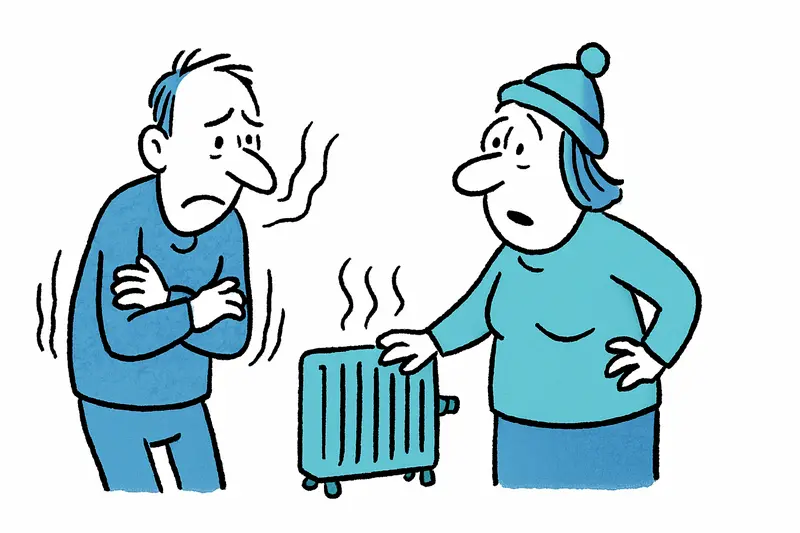
Easy-to-implement tips for the next frosty nights: Do not switch off radiators completely, insulate or drip water pipes in unheated rooms, defrost cars rather than pouring hot water over the windscreen. Call neighbors briefly; a warm cup of tea also helps the spirit.
Concise conclusion: A single cold morning is not an emergency, but it exposes gaps in preparation and communication. Those who plan more quietly, earlier and more practically on the local level — from municipalities to neighborhoods — noticeably reduce disruptions and potential damage. The numbers from Aemet remind us: climate is local, and politics and everyday life should respond accordingly.
Frequently asked questions
How cold can Mallorca nights get in winter?
Is frost common in Mallorca?
Can you swim in Mallorca during cold weather?
What should I pack for Mallorca in winter?
Why is Campos colder than the coast in Mallorca?
What temperatures were recorded in Palma during the cold front?
Was the Serra de Tramuntana affected by the cold in Mallorca?
When does the weather improve in Mallorca after a cold front?
Similar News
Rental Car Theft in El Arenal: What This Incident Reveals About Our Gaps
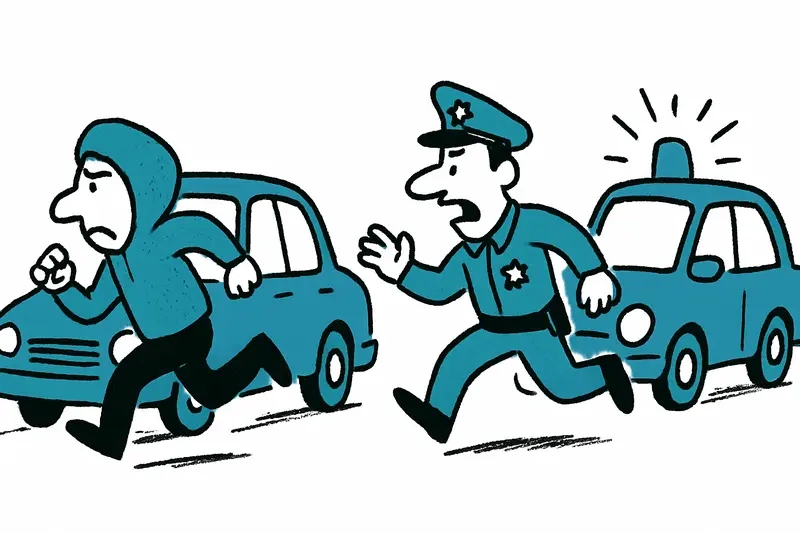
A teenager steals a running rental car in El Arenal, flees on foot, climbs over walls and is caught by the Guardia Civil...
Red Rope in Palma's Library: What Helps Against Selfie Tourism — and What's Missing
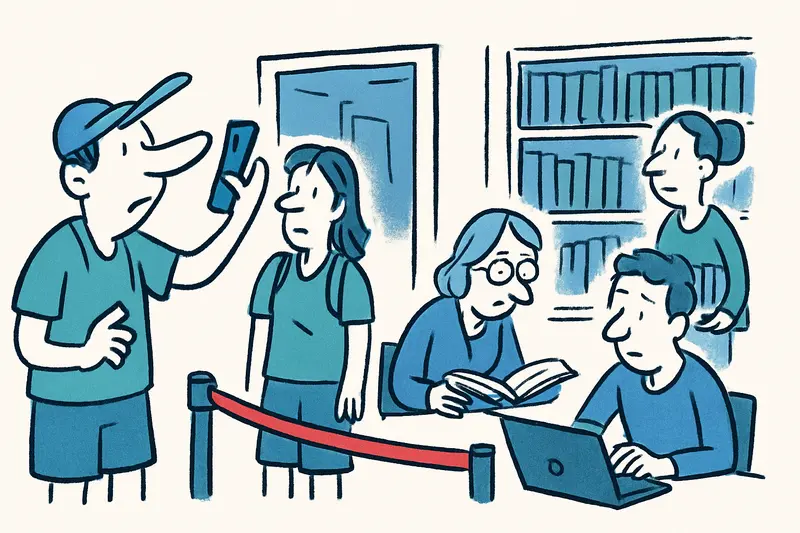
Palma's city library cordoned off an area with a red rope to keep selfie tourism away from reading and working activitie...
Fort San Carlos: Museum, Harbor Dispute — and a Conflict That Demands Answers
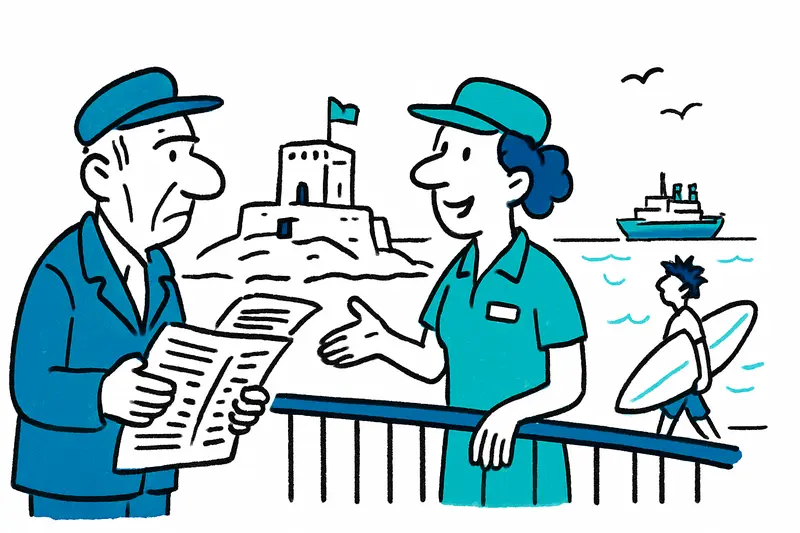
The military museum at Fort San Carlos sits right on Palma's harbor, with unexpectedly quiet rooms filled with cannons a...
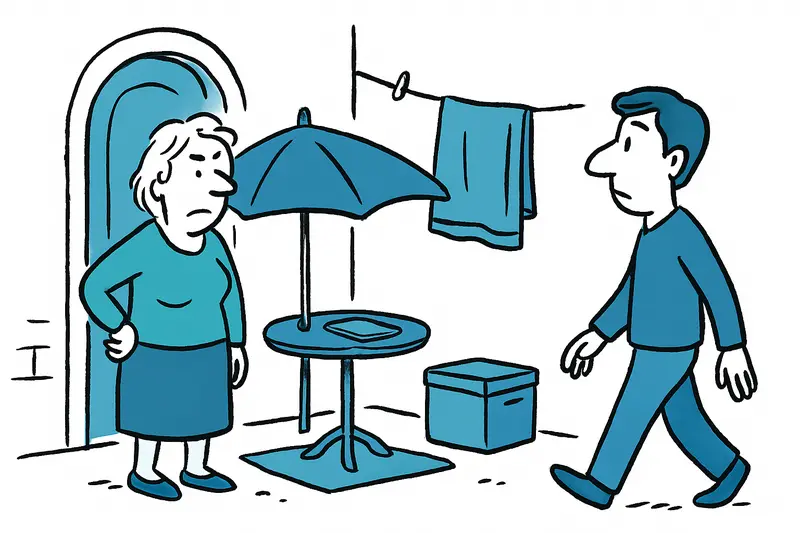
Old Town Under Pressure: When a Doorway Becomes a Sleeping and Shower Place
For months a woman has been living with a parasol, a clothes rack and personal belongings next to the social welfare off...
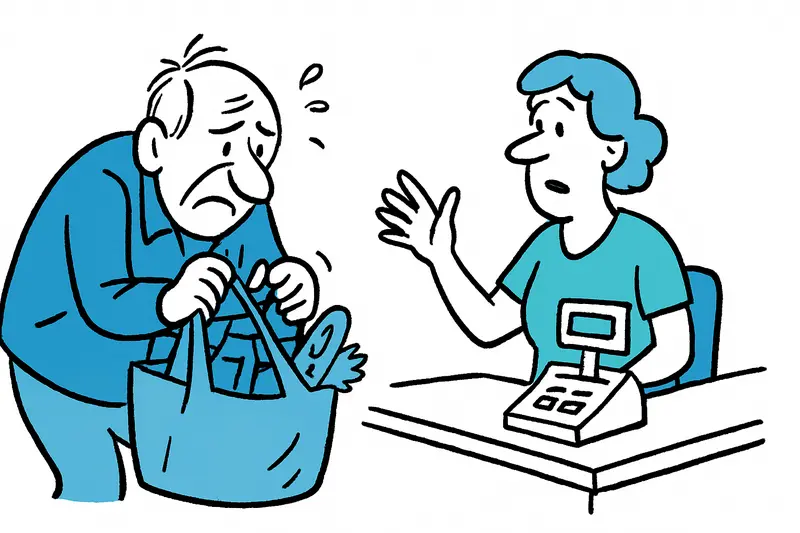
When Shopping Weighs Heavier: Mallorca Demands a Tax Pause on Food and Fuel
Rising prices are putting pressure on households and agriculture. The Balearic Islands are calling for temporary tax rel...
More to explore
Discover more interesting content

Can Cap de Bou

Townhouse Lleo 72
