
125 Kilograms of Cocaine in a Double-Bottom: How Secure Are Our Borders Really?
125 Kilograms of Cocaine in a Double-Bottom: How Secure Are Our Borders Really?
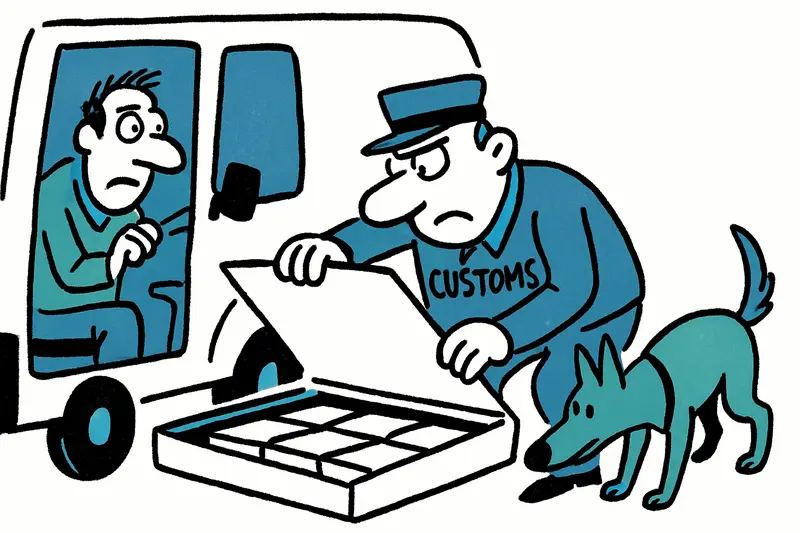
A van with German plates was stopped at the border near Irun. Investigators found 125 kilograms of cocaine in a double-bottom. Time for a reality check: where are controls failing, and what's missing from the public debate?
125 Kilograms of Cocaine in a Double-Bottom: How Secure Are Our Borders Really?
Key question: How could a van with German plates reach the French border — and what can we learn from it?
On January 28 a border check at Irun stopped a van with German registration. The driver, a British national, appeared nervous; a dog unit alerted. In an artificially built double-bottom investigators found 125 packages of cocaine — about 125 kilograms in total. The street value is estimated at several million euros. The man was arrested on suspicion of drug trafficking and has been held in remand without bail ever since.
These facts are sparse but clear: the route led as far as the toll station near Ventas, the check was routine, the hiding places were professional. For Mallorca this is not a distant crime novel but part of the same trafficking flows — as with the discovery of 675 Kilos of Cocaine: What the Find Means for Palma, Inca and Binissalem — that have visible effects here too: more checks on ferry traffic, conversations among lorry drivers on Passeig Mallorca, and the quiet worries of restaurateurs who wonder whether organised structures might be using the island as a transshipment point.
Critical analysis: the discovery of the cocaine shows, on the one hand, that controls work. On the other hand the case raises questions that are often underrepresented in public debate. First: how are vehicles selected precisely? Random checks catch individuals — but not necessarily networks. Second: what role do international rental and logistics contracts play? A German plate, a British driver, Spanish checkpoints — the pattern is international and complicates tracing. Third: how often do hiding places like double-bottoms pass undetected through ferries, ports or freight terminals?
What's missing in the debate: there is much reporting on spectacular seizures, such as Half a Tonne of Cocaine at Playa d'en Bossa: Who Benefits — and What Must Change?, but little on the interfaces criminals exploit. The economics behind it — how legal transport routes, shell companies or rental vehicles serve as camouflage — is rarely discussed. Also seldom addressed is the strain on local police units and the question of preventive checks in ports like Palma or Alcúdia before cargo leaves or arrives on the island.
An everyday scene from Palma: delivery vans park in front of Mercat de l'Olivar, drivers drink café con leche, exchange phone numbers, talk about tougher checks in the ports. The smell of brewed coffee mixes with the sound of rolling shutters. Such conversations are not official sources, but they reflect how security measures affect everyday life — from hauliers to small businesses.
Concrete solutions: first: better information sharing between regional units — Basque Country, Madrid, Balearic Islands — and neighbouring states. Border controls work better when information about suspicious vehicles is shared in real time. Second: targeted checks at key nodes, not just blanket sampling. Use underbody inspection equipment more often; train personnel at toll booths to recognise suspicious signals more quickly. Third: tighten regulations for cross-border rentals and logistics contracts so that hard-to-track chains become more transparent. Fourth: preventive measures in ports — intensive random checks in cooperation with ferry companies and port operators. Fifth: strengthen community policing on the islands: local haulage companies as partners, anonymous tip lines, rewards for useful information.
These measures cost time and money, but they sharpen the view of the structures behind individual arrests. The aim is not to turn every border into a fortress, but to reduce the loopholes organised groups routinely exploit.
Punchy conclusion: a van was stopped and 125 kilos of drugs were found in the double-bottom — that is a success for the controls, but not grounds for complacency. The crucial question remains how authorities, ports, transport companies and municipalities can cooperate more closely so that such finds become rarer. For Mallorca that means in concrete terms: more exchange, more presence in the ports and a more attentive ear for the people who work the supply chains every day.
Frequently asked questions
How do border checks in Spain detect hidden drug smuggling in vehicles?
Why are ferry ports and freight routes in Mallorca a focus for drug controls?
What is a double-bottom in a vehicle, and why is it used for smuggling?
Does a major cocaine seizure mean Mallorca’s borders are getting safer?
What signs make officers stop a van during a border inspection?
How could cross-border rental and logistics contracts help smugglers?
What can Mallorca do to improve security in its ports without turning them into fortresses?
Why do local haulage companies in Mallorca matter in the fight against trafficking?
Similar News
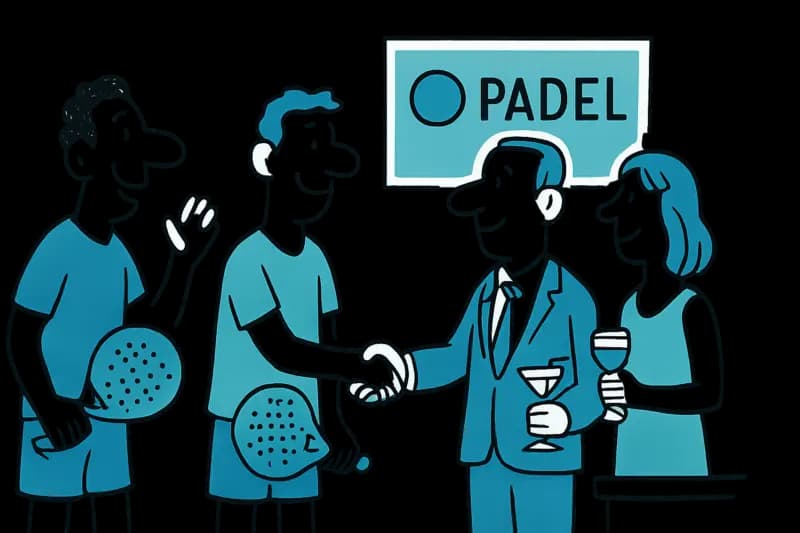
Bendinat as a meeting place: Padel Cup brings together nearly 120 players
Three days of padel at the Bendinat Urban Country Club: organized by El Económico and Borbalán, with around 120 particip...
Large-scale Anti-Tourism Graffiti at Cala Mendia: Protest or Vandalism?
On the morning walkers discovered an approximately 50-meter-long slogan against tourism on the wall above Cala Mendia. W...
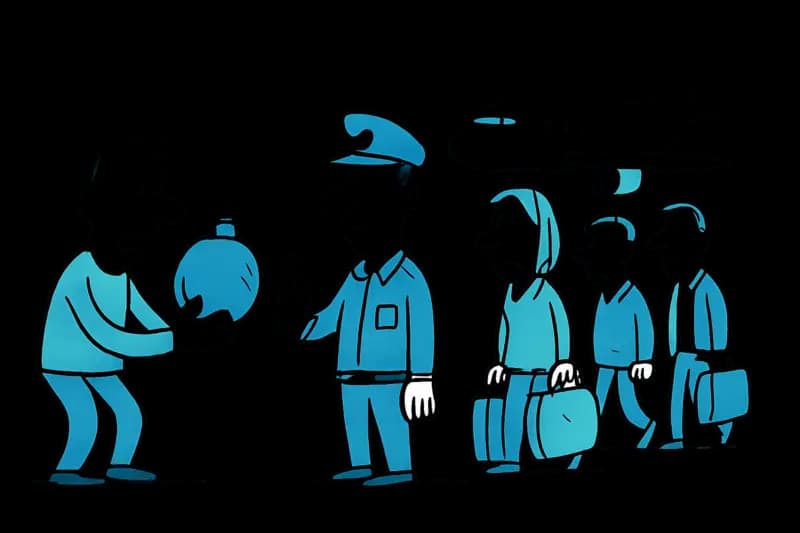
Bomb threat before Jet2 flight in Tenerife: A reality check for security protocols
A passenger reported a bomb in luggage shortly before departure in Tenerife. Evacuation, baggage checks, delays — and ma...
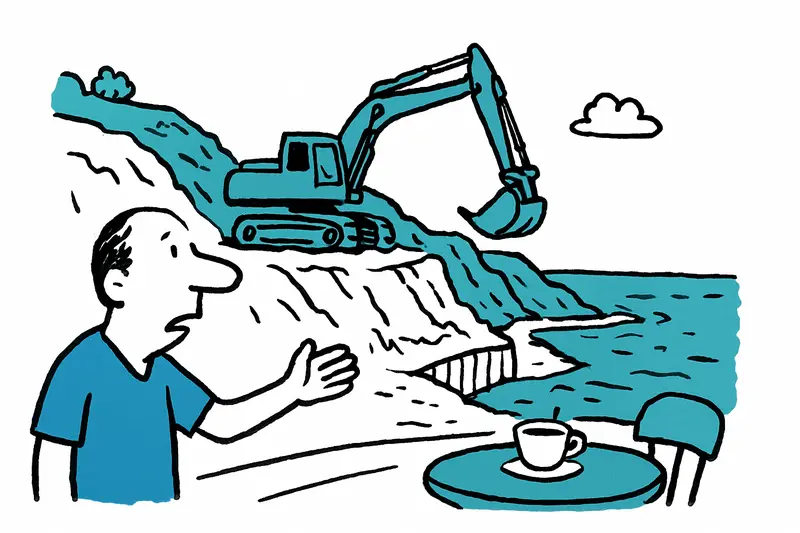
Who is stripping Mallorca's coast bare? Why entire slopes are being removed for villas
On Mallorca steep slopes are again being removed to make way for luxury construction sites. Who bears the responsibility...
Robber Falls While Fleeing in Sant Agustí: Who Takes Responsibility?
During a purse-snatching in Sant Agustí, a non-commissioned officer chased the suspect; the man jumped from a bridge and...
More to explore
Discover more interesting content

Can Cap de Bou

Townhouse Lleo 72
