
One Dead and Three Seriously Injured After Head-on Crash at Peguera Tunnel (Ma-1)
One Dead and Three Seriously Injured After Head-on Crash at Peguera Tunnel (Ma-1)
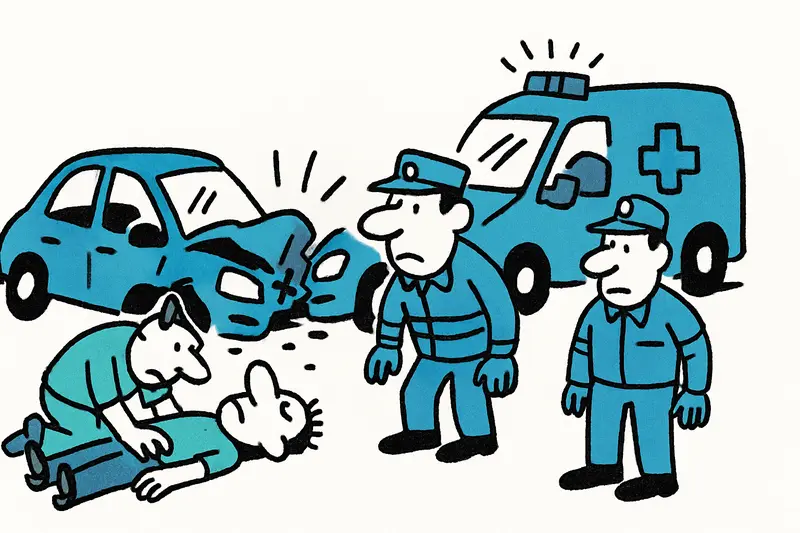
In the afternoon on the Ma-1 near kilometer 22 a Citroën C3 and a Peugeot Partner collided head-on. A 75-year-old passenger died and three others suffered serious injuries. The Guardia Civil is investigating and the motorway was temporarily fully closed.
One dead and three seriously injured after head-on crash at Peguera Tunnel (Ma-1)
Key question: Could this accident have been prevented with different road measures or greater caution?
Late on Wednesday afternoon around 5:15 p.m., a serious head-on collision occurred on the Ma-1 motorway towards Andratx, on the coastal approach to the Peguera Tunnel (kilometre 22), echoing earlier coverage such as Serious Head-On Crash in Paguera: Why Does the MA-1 Remain So Dangerous?.
The emergency service dispatched four vehicles, including two with extended emergency capabilities. Emergency doctors fought for the life of a 75-year-old woman who had been sitting in the rear seat of the Peugeot; resuscitation measures were unsuccessful and her death was pronounced around 5:40 p.m. Three other occupants suffered serious injuries and were taken, after stabilization, to the University Hospital Son Espases and the Juaneda Clinic. A major trauma alert had been declared for all those affected.
The Guardia Civil took over the accident investigation: evidence was secured and a detailed accident report was prepared, as in Head-on crash near Andratx: Three injured on the MA-1 — alcohol test positive. During the recovery operations the Ma-1 was completely closed. Tow services removed the wrecked vehicles and the road maintenance service cleared debris before the carriageway could be reopened.
In short: the consequences are dramatic, and the images of mangled metal between the guardrails remain. But the immediate grief and the cleanup are only the first level. The central question is which factors make such accidents more likely — and what lessons can be learned.
Critical analysis: Several levels play a role in head-on collisions. In addition to the immediate sequence of events — steering movements, evasive actions or technical failures — infrastructural conditions determine the scale of damage. Tunnel approaches, curves shortly before tunnel entrances and changing light conditions in the afternoon increase complexity for drivers, as seen in incidents such as Head-on Crash on the Ma-11: Three Injured — and the Uncomfortable Question of Greater Safety. The lack of physical separations between directions of travel, the type of road markings, the width of the hard shoulder and the location of emergency access points can also be a matter of life and death.
What is often missing from public debate is a sober discussion about preventive measures instead of only assigning blame after the accident. Media understandably report on casualty numbers and dramatic scenes — that is important. But too rarely are questions asked about systematic installation of central barriers, placement of speed controls immediately before critical sections, better warning systems at tunnel approaches or regular reviews of accident frequency at specific kilometre points.
Everyday scene from the island: Anyone driving in the afternoon from Palma towards Andratx knows the scenario from personal experience. The sun is low, the pines cast long shadows on both sides, delivery vans mix with holiday cars, and drivers concentrate on the next exit shortly before Peguera. A faint hum of the air conditioning, voices from the back seat, a quick glance at the satnav — seconds that decide in such moments. After an accident time stands still, but in everyday life the same small inattentions continue.
Concrete solutions that would make sense immediately: 1) review and, where possible, install physical central barriers on particularly vulnerable sections of the Ma-1; 2) targeted speed enforcement using average speed checks at tunnel approaches and known accident hotspots; 3) better marking and lighting at tunnel entrances so that transitions from bright to dark areas are less abrupt; 4) regular evaluation of rescue and recovery routes so that emergency services can reach injured people more quickly; 5) ongoing public information campaigns on seatbelt use and behavior in tunnel areas.
These proposals are technically feasible and require time and money — but they would not be abstract benefits; they would be concrete life-saving measures. Particularly important: measures should be prioritized based on data. The Guardia Civil collects accident reports; this data could be used at municipal and regional levels to target investments effectively, and past incidents such as Head-on Crash near Manacor: Two Dead, Questions Remain highlight the need.
Another pragmatic step is to strengthen first-responder capacity during off-peak times: more ambulances in the afternoon hours, coordinated standby between public services and private clinics, and clear communication channels for coordination in cases of major trauma. That reduces the time to treatment and increases the chances for the injured.
Vehicles and technology also play a role: modern assistance systems, automatic emergency call systems and upgrading older vehicles can reduce harm. Even if technical solutions do not prevent every accident, they often mitigate the consequences — a perspective the public debate should include more often.
Punchy conclusion: A single accident like this is tragic and shocking. But it is also a warning sign: not every cause lies solely with the driver. If island residents and authorities now work together on clear, pragmatic improvements, the Ma-1 can become safer. Until then our thoughts are with those affected and their families — and with everyone who uses the roads every day.
Frequently asked questions
What happened at the Peguera Tunnel on the Ma-1 in Mallorca?
Why can the Ma-1 near Peguera be a risky stretch of road?
What should drivers watch out for when driving towards Andratx in Mallorca?
How did emergency services respond to the crash near Peguera?
Was the Ma-1 closed after the accident near the Peguera Tunnel?
What safety improvements could help prevent serious crashes on Mallorca’s Ma-1?
How can afternoon traffic make the road between Palma and Andratx more dangerous?
What is being discussed after the fatal crash at the Peguera Tunnel in Mallorca?
Similar News
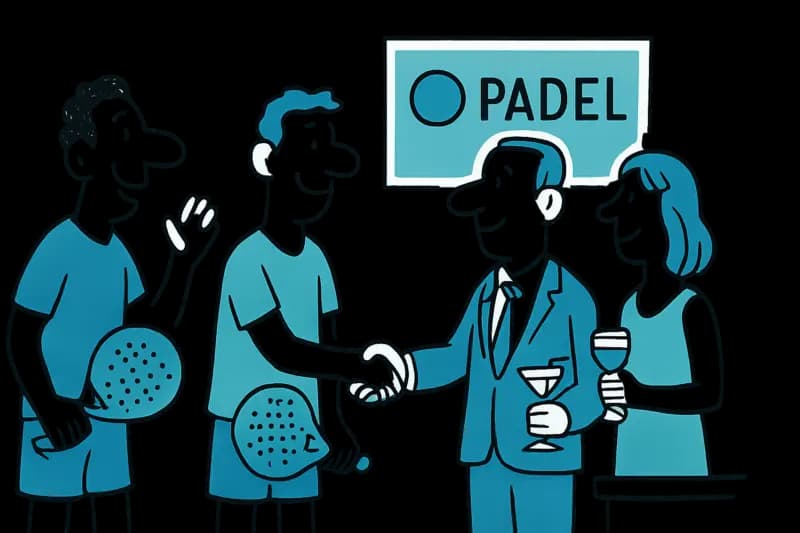
Bendinat as a meeting place: Padel Cup brings together nearly 120 players
Three days of padel at the Bendinat Urban Country Club: organized by El Económico and Borbalán, with around 120 particip...
Large-scale Anti-Tourism Graffiti at Cala Mendia: Protest or Vandalism?
On the morning walkers discovered an approximately 50-meter-long slogan against tourism on the wall above Cala Mendia. W...
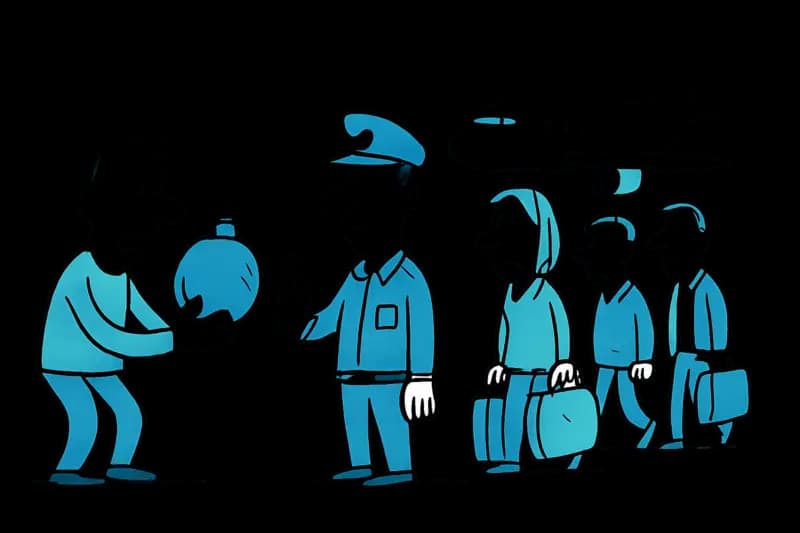
Bomb threat before Jet2 flight in Tenerife: A reality check for security protocols
A passenger reported a bomb in luggage shortly before departure in Tenerife. Evacuation, baggage checks, delays — and ma...
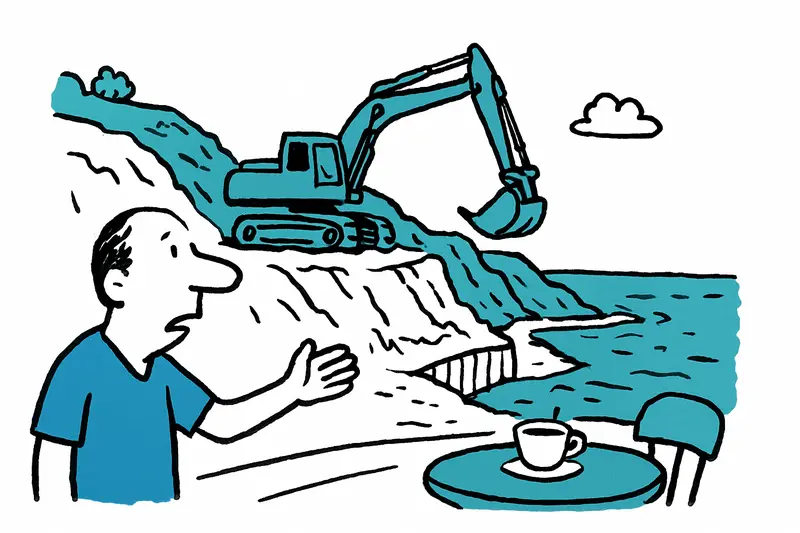
Who is stripping Mallorca's coast bare? Why entire slopes are being removed for villas
On Mallorca steep slopes are again being removed to make way for luxury construction sites. Who bears the responsibility...
Robber Falls While Fleeing in Sant Agustí: Who Takes Responsibility?
During a purse-snatching in Sant Agustí, a non-commissioned officer chased the suspect; the man jumped from a bridge and...
More to explore
Discover more interesting content

Can Cap de Bou

Townhouse Lleo 72
