
If the Guardia Civil Withdraws: Can Mallorca Afford the Security Gap?
If the Guardia Civil Withdraws: Can Mallorca Afford the Security Gap?
The police union JUCIL reports a loss of 70 Guardia Civil officers after the latest transfer round; up to 450 further departures are threatened. What does that mean for the island?
If the Guardia Civil Withdraws: Can Mallorca Afford the Security Gap?
Key question: How great is the risk that the departure of hundreds of Guardia Civil officers will affect public safety in the Balearic Islands?
The numbers are simple and uncomfortable: after the most recent transfer round, there are effectively 70 fewer Guardia Civil officers on duty in the Balearic Islands, according to the union JUCIL. 85 were transferred to the mainland, 15 arrived — five of them under a compulsory one-year assignment. And the threat is not only theoretical: up to 450 more officers could leave from March; in some estimates up to 400 are even named who could soon apply for transfers as soon as their minimum service period expires.
The problem is not new: high living costs, hardly affordable housing and the lack of attractiveness of the duty station are weekend topics in alleys between Passeig Mallorca and the harbor. The union therefore demands a significantly higher island allowance — and criticizes that the current regulation is only a superficial alignment with the Canary Islands, because allowances for seniority levels, for example, are missing.
Critical analysis: The situation is less a sudden shock than years of neglect. Politics on the island has repeatedly spoken about staff shortages, but systematic incentives, administrative decisions and short-term contingency plans are missing. On the other hand, Madrid apparently treats the Balearic Islands differently from remote regions when it comes to personnel assessment and compensatory allowances — this fuels frustration.
What is missing in the public discourse are concrete figures that make the problem tangible. How many patrols are missing at night in tourist hotspots? Which services are reduced because officers are assigned to the coast guard or the traffic unit? And: what measures does the central government actually plan and by when? These questions are often overshadowed by headlines, but they are decisive for residents.
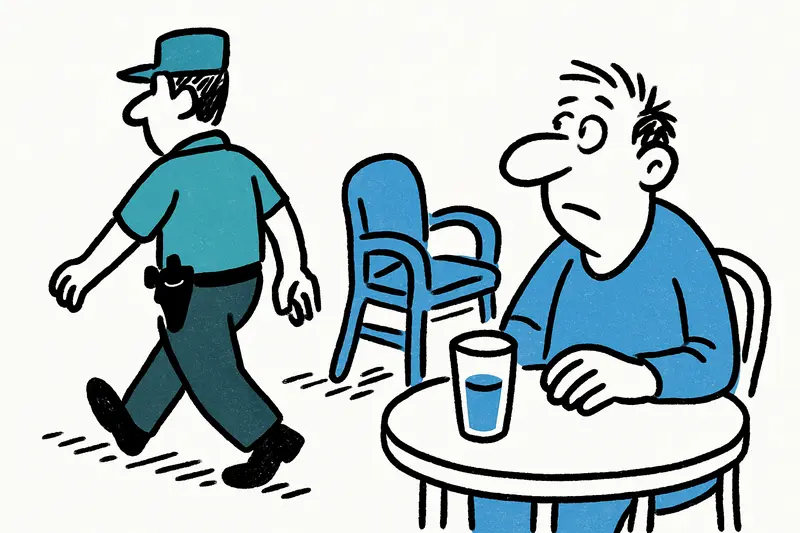
A scene many Mallorcans know: early in the morning at Plaza Mayor, cafe owners put away chairs, taxi drivers change shifts, and two Guardia Civil officers stroll along the Ramblas — the image conveys a sense of security. If two-officer patrols become rarer, that feeling shifts. Not only in Palma, the presence is noticeable in smaller places like Cala Ratjada or Port de Sóller.
Concrete solutions that would be immediately visible:
1) Short-term: Temporary reinforcement through fixed-term secondments from less burdened provinces coupled with immediate housing support. A clear, time-limited housing allowance could prevent departures until permanent regulations are in place.
2) Medium-term: Introduction of a genuine island allowance that includes seniority levels and family supplements. Also: accelerated housing construction programs for emergency personnel, municipal land options and rental guarantees supported by the Balearic government.
3) Strategic: Joint personnel planning between Guardia Civil, Policía Local and the Balearic government. Expansion of cooperation with national police units, modern technology for surveillance and operation planning, as well as a mandatory rotation model that cushions concentration points of workload.
It is important: measures must be measured against the cost of reality. A generous allowance is expensive, but for an island society with high public order potential it is an investment in tourism, everyday life and trust.
Local politicians can do more than demand: municipalities could speed up the allocation of housing for officers, temporarily rent hotels or apartments as staff accommodation and set tax incentives. On the other hand, Madrid must transparently explain which options are being considered. Silence or vague promises only increase the willingness to pack bags.
Pointed conclusion: If Madrid continues to treat the Balearic Islands as a footnote in personnel matters, a noticeable gap in the islands' security network threatens. This is not a purely bureaucratic problem, but one that becomes visible on street corners, promenades and in ice cream parlors. Short-term remedies are possible and practical — but without a coordinated island model with real financial incentives the solution remains piecemeal. Those who save here will later pay with fewer police officers on the street and a worse feeling of security for residents and visitors alike.
Frequently asked questions
Will fewer Guardia Civil officers affect safety in Mallorca?
Why do Guardia Civil officers want to leave Mallorca?
What would happen if more Guardia Civil officers transfer from the Balearic Islands?
What could improve police staffing in Mallorca?
Is Palma seeing the impact of the Guardia Civil shortage?
Could smaller towns in Mallorca notice fewer police officers too?
What do local authorities in Mallorca need to do about the security gap?
Is the Guardia Civil staffing problem in Mallorca new?
Similar News

Rental Car Theft in El Arenal: What This Incident Reveals About Our Gaps
A teenager steals a running rental car in El Arenal, flees on foot, climbs over walls and is caught by the Guardia Civil...

Red Rope in Palma's Library: What Helps Against Selfie Tourism — and What's Missing
Palma's city library cordoned off an area with a red rope to keep selfie tourism away from reading and working activitie...

Fort San Carlos: Museum, Harbor Dispute — and a Conflict That Demands Answers
The military museum at Fort San Carlos sits right on Palma's harbor, with unexpectedly quiet rooms filled with cannons a...

Old Town Under Pressure: When a Doorway Becomes a Sleeping and Shower Place
For months a woman has been living with a parasol, a clothes rack and personal belongings next to the social welfare off...

When Shopping Weighs Heavier: Mallorca Demands a Tax Pause on Food and Fuel
Rising prices are putting pressure on households and agriculture. The Balearic Islands are calling for temporary tax rel...
More to explore
Discover more interesting content

Can Cap de Bou

Townhouse Lleo 72
