
177 km/h on the MA-13: Why a Speeder Is More Than a Number
177 km/h on the MA-13: Why a Speeder Is More Than a Number
A car was clocked at 177 km/h on the MA-13 near Sa Pobla. What do the numbers tell — and what don't they? A reality check with an everyday scene, analysis and concrete proposals for Mallorca.
177 km/h on the MA-13: Why a Speeder Is More Than a Number
Guiding question: Is punishing cases like this enough, or do we need to change the system?
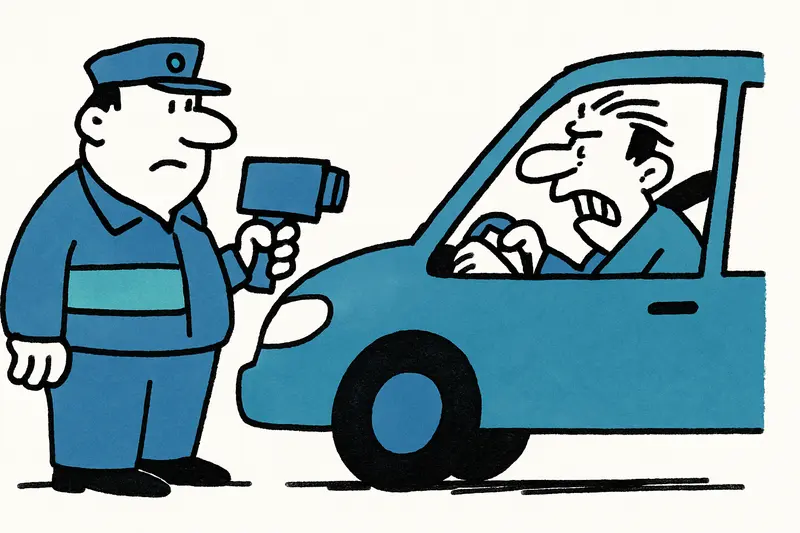
On May 15 a police radar on the MA-13 near Sa Pobla recorded a car traveling at 177 km/h on a stretch where 80 km/h is permitted. The driver, identified by authorities as 48 years old, has been named; criminal proceedings for a serious traffic offense are underway. In Spain, the law provides for prison sentences of three to six months and a driving license suspension of one to four years for such acts. The Guardia Civil used the case to remind the public of the dangers of excessive speed.
In short: the facts are stark. But they do not tell the whole story. Anyone who only sees the number 177 misses how this speeding fits into traffic culture, how infrastructure is designed, and which everyday mechanisms lead people to press the accelerator.
Analysis: Why such cases recur. On Mallorca there are stretches that feel "empty" to drivers — long sightlines, smooth asphalt, little traffic at certain hours. That creates a deceptive sense of safety. Social perception also plays a role: if a neighbor says she arrived 20 minutes earlier, speeding becomes normalized. Added to that are opportunities — holiday seasons when rental car drivers explore the island and test the pedal — and fluctuating levels of enforcement. Similar incidents, such as More than twice the limit: Motorcyclist in Marratxí caught at over 200 km/h and 175 km/h on the motorway to Alcúdia – a wake-up call for safer roads?, show how recurrence is not limited to one road or vehicle type. Logically: a speed display at a traffic light deters more than a sudden patrol car, but only if it is visible.
What is missing from the public discourse. Mostly the debate focuses on punishment or sensational figures. Too rarely do we talk about preventive design: which stretches are poorly lit, where are clear lane markings missing, where are transitions between 120 and 80 zones confusing? And: how do we reach the people who temporarily break the rules — commuters, delivery drivers, tourists? We talk about punishment, but too little about design, education and enforcement that produce long-term effects; for another reminder of risky behaviour in busy holiday areas see 124 km/h on Camí de Can Pastilla — A Wake-up Call for Palma's Holiday Roads.
Everyday scene from Mallorca: Imagine the MA-13 near Sa Pobla in early summer. Cicadas chirp in the olive groves, the evening sun lays gold on the asphalt. A farmer returns from the fields, on the opposite lane you can faintly hear the air conditioning of a rental car. A fuel tanker stands on the hard shoulder. In this setting high speed can sometimes feel harmless — until the moment an accident shatters the calm. That is the gap between perception and danger.
Concrete solutions. First: better road design. Clearer signage, sharper transitions between speed zones and more reflectors at critical points. Second: technical measures like average-speed checks (section control) instead of only spot speed cameras — they prevent the short bursts of acceleration before and after a measuring point. Third: visible and regular presence of the Guardia Civil combined with unmarked controls; that changes behaviour more sustainably than one-off operations. Fourth: information campaigns where the target groups are — rental agencies, parking areas at tourist centers, driving schools and local markets. Fifth: municipal measures such as reduced speeds on school routes and more pedestrian crossings, linked to data analyses of particularly risky sections.
One final point on sanctions: Penalties must be consistent, but they alone are not enough. License suspensions and possible prison sentences are important for deterrence. Equally important is that legal processes are transparent and fair so that people do not perceive measures as arbitrary.
Punchy conclusion: A recorded speed of 177 km/h is alarming — and at the same time a symptom. Mallorca needs fewer headlines about individual speeders and more systematic work on infrastructure, enforcement and preventive education. Those who drive along the MA-13 past Sa Pobla in the morning should arrive at their destination, not end up as a statistic in an accident report. In short: punishment yes, system change better.
Frequently asked questions
What is the speed limit on the MA-13 near Sa Pobla?
What happens in Spain if you drive extremely fast on Mallorca?
Why do people speed on Mallorca even on roads that look empty?
Is it dangerous to drive fast on the MA-13 in Mallorca?
Do rental car drivers in Mallorca need to be extra careful with speed limits?
How can Mallorca reduce dangerous speeding on roads like the MA-13?
Would average-speed cameras help on roads in Mallorca?
What should drivers keep in mind on Mallorca roads during summer?
Similar News
Why the unrest in Barcelona should be a wake-up call for Mallorca
A TikTok call led to nighttime violence and hundreds of arrests in Barcelona, many of them minors. What is behind the ph...
Palma under the microscope: 87 arrests over forged passports – what now?
The National Police stopped 87 people at Palma airport this year with allegedly forged documents. Why are controls alone...
When a Taxi Fare Dispute in Magaluf Turned Bloody: How Safe Are Passengers and Drivers?
In Magaluf a dispute over the fare escalated: a tourist, now 18, is accused of having seriously injured a taxi driver in...

Why Mallorca Has Become So Terribly Expensive — A Reality Check
Rents are exploding, staple food prices are rising, wages are lagging behind. A look at the causes, what is missing from...
When Paradise Becomes Unaffordable
Hotel rooms, paella and the weekly grocery shop: Mallorca is becoming more expensive for many. Who pays the bill — guest...
More to explore
Discover more interesting content

Can Cap de Bou

Townhouse Lleo 72
