
Formentor Breathes Easier: How a Barrier Has Calmed the Peninsula
Formentor Breathes Easier: How a Barrier Has Calmed the Peninsula
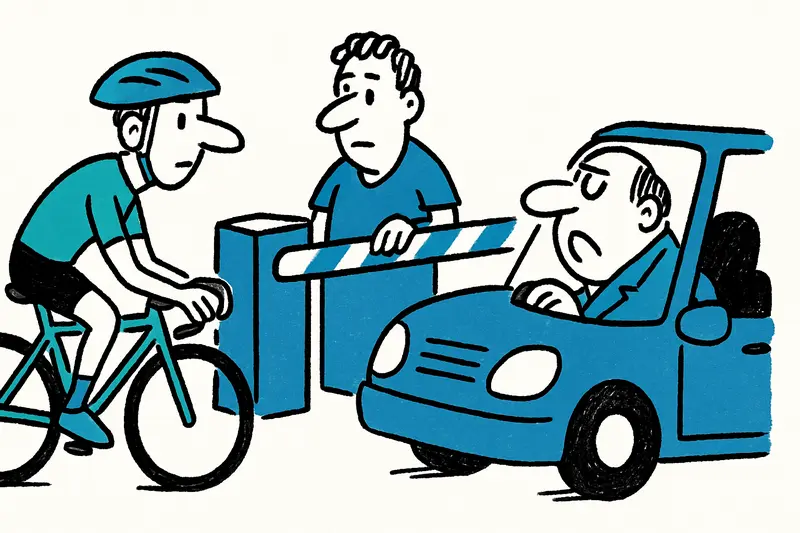
Since the start of the season a barrier at km 8.7 has regulated access to Formentor. Cars give way to buses, bicycles and goats — and the peninsula breathes easier.
Formentor Breathes Easier: How a Barrier Has Calmed the Peninsula
In the morning the scent of pine needles drifts down from the Coll de sa Creu, and instead of engine noise you now hear the clicking of bicycle gears and occasionally the drumming of goat hooves on the rock. The MA‑2210 road leading to Cape Formentor has changed noticeably this season: at kilometer 8.7 there is a barrier, and beyond it only scheduled buses, a few resident vehicles and cyclists are allowed. This change is part of altered access rules outlined in Road to Cap Formentor: New Closure Times and Open Questions for 2026.
What exactly was regulated?
The measure applies daily between 10 a.m. and 10 p.m. and is in effect until 18 October 2026 for the final section to the peninsula. Only authorized vehicles, residents and public transport may pass; visitors largely disembark at the Cala Murta–Cala Figuera stop, the only stop between the beach and the lighthouse. The TIB line 334 buses handle transport to the cape. Further practical information for travelers is available in Formentor 2026: Car-free two weeks earlier — what travelers and residents need to know. If Formentor beach reaches its capacity limit, the entrance at the barrier at Port de Pollença will be closed automatically.
Why many here see it as a relief
Those who yesterday still stood in long queues are pleased today to have an unobstructed view of the cliffs. For residents, less through-traffic means fewer dangers for pedestrians and playing children; for cyclists it means freer riding on the winding coastal road. And for everyday life on site it is a tangible change: cafés near the port are quieter, fishermen look more relaxed from their boats, and walkers talk to each other again without conversations being drowned out by honking cars.
How is the rule enforced?
Implementation is the responsibility of the competent traffic authorities and the island council. Violations may result in fines of around €100 to €200. The system is deliberately simple: barrier, checks and clear time windows. Visitors should expect to leave their cars at Port de Pollença or in nearby towns and switch to bus, bicycle or their own feet.
A landscape with new protagonists
Anyone who now hikes up sees more than just sea and cliffs: goats are present, visibly climbing the rocks or ambling along the roadside; groups of cyclists overtake each other at a leisurely pace; hikers stop to enjoy the view from Mirador Es Colomer in peace. A different, almost village-like rhythm emerges on a stretch that used to often feel like a motorway to the viewpoint.
Why this is good for Mallorca
Limiting car traffic on such a sensitive section protects nature, reduces noise and increases safety. It shows that traffic concepts do not always need large projects, but can also rely on small, targeted measures: less stop-and-go, fewer emissions in narrow gorges and higher quality for the visit. For the communities along the route, it also means an opportunity to design tourist offers more sustainably — for example bike rental stations, additional TIB shuttles or signposted hiking trails.
Everyday observation from Port de Pollença
On the pier of Port de Pollença an old man sits with scraps of newspaper on his lap, opposite him a mother pushes a stroller more quietly than in April. In the afternoon e-bikes whirr by; occasionally you hear voices in Mallorquí. These are small scenes, but they add up to a different feeling: the island is taking a moment to catch its breath.
Looking ahead
The regulation runs until mid-October and is flexible: for special events, such as the solar eclipse expected on 12 August, authorities will inform in good time whether exceptions are necessary. Anyone planning to visit Formentor should check in advance, switch to the bus or arrive by bicycle. Debate over how long the restrictions should last is discussed in Driving Ban at Cap Formentor Ends – Opportunity or Setback for the Island?. The change here is an experiment that could inspire other coastal sections of the island.
Conclusion: A simple barrier in the right place has a big effect: fewer cars, more space for nature and people. Formentor feels decelerated — and that is good for the peninsula.
Frequently asked questions
What is the weather like in Mallorca after a storm or weather alert?
Is it safe to go swimming in Mallorca after rough weather?
What should I pack for Mallorca if bad weather is possible?
What is the best time of day to plan outdoor activities in Mallorca during unsettled weather?
Are beaches in Mallorca still worth visiting when the weather is unstable?
What should drivers know about roads in Mallorca after heavy rain or storms?
What is Cala Sant Vicenç like when the weather is rough?
How does Port d'Alcúdia usually feel after a weather warning in Mallorca?
Similar News

Mueller continues expanding in Mallorca: Artà in 2026, Can Picafort in early summer 2027
The drugstore chain Mueller is opening two new stores in Mallorca: a 1,400 m² shop in Artà on 5 November 2026 and a bran...
The Painter Who Lived Mallorca: Franz Taussig and His Century-Old Secret
A hundred years ago a young Viennese arrived in El Terreno, sketched the island and called himself Francis Caron. Today ...

Airport dispute: Bridge, forecasts and the question of responsibility
A video by the Spanish transport minister has ignited the dispute over DORA figures, capacities and local governance pow...

The Painter Who Invented Himself: How a Young Viennese Drew Mallorca
A hundred years ago a 19-year-old draftsman arrived in El Terreno. His diary and sheets, long known under the pseudonym ...
Released with Conditions: The Plus Ultra Suspicion and a Mallorcan Finca as Residence
A Dutch entrepreneur, sought in connection with the Plus Ultra case, was extradited to Spain after his arrest in Germany...
More to explore
Discover more interesting content

Can Cap de Bou

Townhouse Lleo 72
