
Strike threat at the emergency service: What Mallorca needs to know now
Strike threat at the emergency service: What Mallorca needs to know now
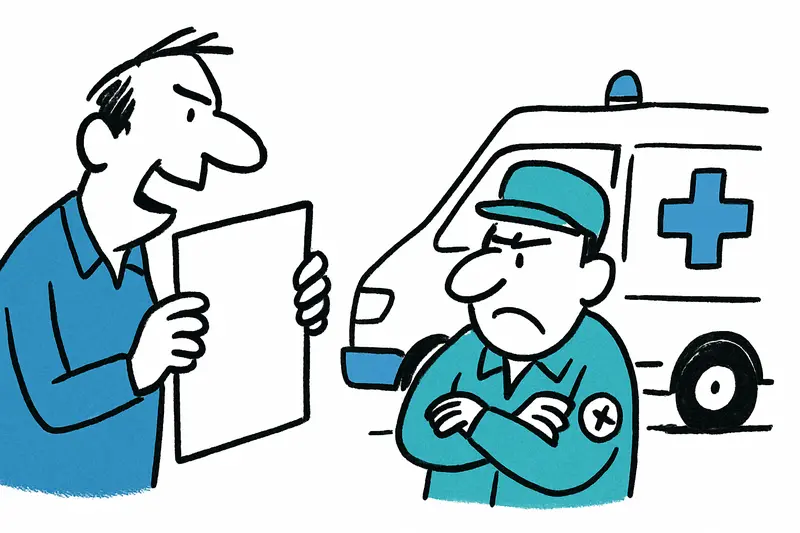
Employees of the healthcare provider GSAIB plan several short strikes in June and threaten open-ended industrial action from June 29. What this means for everyday life in Mallorca — and which questions have so far hardly been asked.
Strike at the emergency service: Between sirens and concern
Key question: How secure is emergency care in Mallorca if emergency service employees stop working?
The news came on June 2: employees of the healthcare provider GSAIB announced work stoppages on several dates in June. Specifically, short strikes are planned for June 16, 19, 24 and 26 each from 10:00 to 12:00 and from 17:00 to 19:00. If no agreement is reached, the unions threaten an indefinite strike from June 29. This echoes a broader strike warning in the public service in the Balearic Islands. Demands include higher wages and solutions to tariff issues that have been open for years.
On the street you immediately notice how sensitive the topic is. In Palma, when the sun shimmers on the Passeig Marítim and cafés still smell of croissant, discussions about possible disruptions carry weight: taxi drivers, hotel porters and the women in the bakery discuss waiting times and children with asthma. A blue light siren passing later than usual over Avinguda Joan Miró makes people stop — the mood is then a mixture of worry and helplessness. Similar disruptions have also hit travel when airport ground crews announced walkouts, such as the Ryanair ground staff strikes at Palma de Mallorca Airport.
Critical analysis: The announcement hits a system built on thin staffing. Emergency services operate with shifts, routes and defined response times. Time-limited walkouts in the morning and early evening target peak hours. This increases the likelihood that fewer vehicles will be available at these times and response times will rise. If the threat turns into an open-ended strike, shortages could become not only noticeable but dangerous for some patients.
What is missing in the public debate: three points are hardly mentioned. First: the situation in remote places like Deià or in mountain valleys of the Serra de Tramuntana, where response times are longer anyway. This vulnerability was underlined when emergency services handled more than 100 operations after a severe storm, as reported in over 100 emergency responses after a storm in the Balearic Islands. Second: the condition of chronically ill and dialysis patients for whom timely transport is vital. Third: the role of emergency dispatch centres and how they set priorities when resources become scarcer. These specific problems should be discussed loudly, not only general demands and dates.
A look at responsibilities helps: GSAIB is the service provider; employees are negotiating wages and pay. Politics and administration are obliged to moderate negotiations and provide emergency plans. Citizens, for their part, need reliable information so they know where to get help in an emergency.
Concrete solutions that should be on the table now: First, an officially secured minimum level of service — agreed in writing so hospitals and municipalities can plan. Second, a mediation process with clear timeframes, moderated by a neutral body, to resolve long-open tariff issues in stages. Third, temporary reinforcement: short-term qualified staff, targeted overtime rules and the option to organize transports for particularly vulnerable groups externally. Fourth, a transparent emergency communication plan for the islands so municipalities, care homes and dialysis centres know whom to call.
In everyday life this could look like: in Cala Millor the municipal administration sets up a telephone coordination service for seniors early on; in Palma additional incident commanders are put on standby; in Sóller general practitioners are informed about alternative transport options. Such measures are not miracle cures but they reduce risks while negotiations continue.
What should now be demanded of the parties involved: the unions must clearly prioritise their demands and remain ready to negotiate. GSAIB should for the first time publish open figures on staffing needs and financial situation. And the Balearic government must take on a mediating role that is more than lip service — with the aim of reaching an agreement that pays employees fairly and secures emergency care.
Punchy conclusion: Strikes are a legitimate means, but not a trial run for emergency medicine. The island needs faster, clearer agreements and practical safeguards for people who depend on timely help. If the sirens get louder in June, the response should not be only outrage but plan B, C and D — negotiated, communicated and tested.
Local note: Anyone with relatives who regularly need medical transport should now contact the family doctor and the municipality. And if you hear a blue-light vehicle on one of the announced days, remember: behind the siren are people deciding how fast help arrives.
Frequently asked questions
What is the weather like in Mallorca in autumn?
Can you still swim in Mallorca in the autumn?
Is Mallorca a good place to visit in autumn?
What should I pack for Mallorca in autumn?
Is Palma de Mallorca good to explore in autumn?
What is Sóller like in autumn?
Is Pollença still worth visiting in autumn?
When is the best time to visit Mallorca for mild weather?
Similar News
Magaluf: Watchtower Alarm – Lifeguards Pull Unconscious Beachgoer from the Water
After a drama in the late afternoon, two lifeguards at Magaluf beach rescued an unconscious 44-year-old man. He was stab...
Turquoise in the City: How dangerous is the color play of the Sa Riera?
The Sa Riera in Palma suddenly turned turquoise — a pretty motif, but behind the effect lies a discharge of saline waste...

Jeckliner at Sunnesching: Cologne spirit sets sail from Palma
In September 2027 the Mein Schiff 2 briefly becomes a floating carnival stage: four days with Cologne bands, comedy and ...
Finally Home: Mike and Leyla Heiter Buy Villa with Sea View in Mallorca
The reality TV couple Mike and Leyla Heiter have bought a house in Mallorca with a roof terrace and sea view. An Instagr...
Arrest after series in Palma: Who protects apartments from repeat offenders?
The National Police arrested a man in Palma who investigators say may have broken into several apartments. In one incide...
More to explore
Discover more interesting content

Can Cap de Bou

Townhouse Lleo 72
