
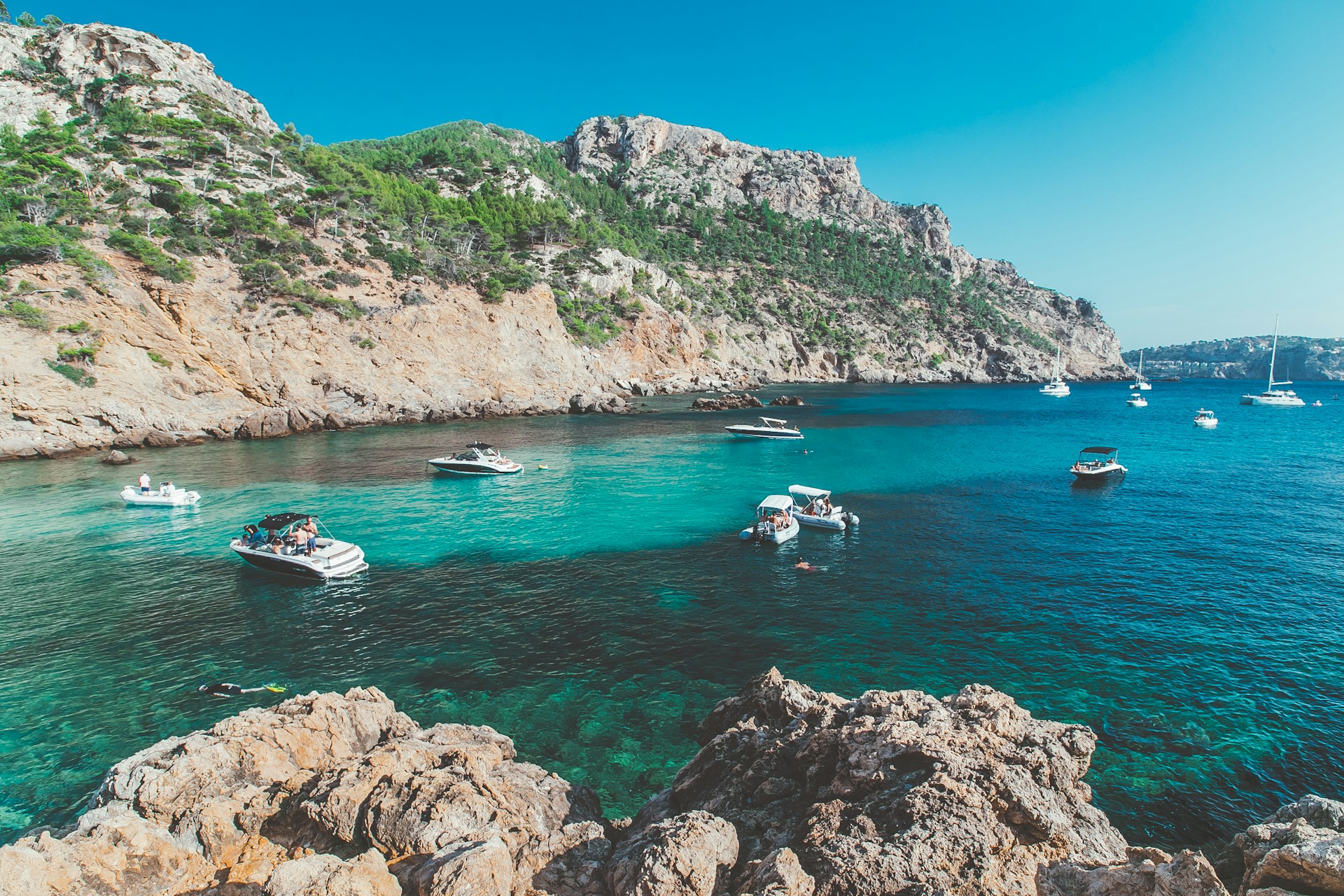
20 Years of 'Goodbye Deutschland' – Why the Anniversary Episode Also Celebrates Mallorca
The 20-year special of "Goodbye Deutschland" brings well-known Mallorca emigrants back into view. A warm-hearted look at people, restaurants, beaches and the small island wardrobe of starting over.
20 Years of 'Goodbye Deutschland' – Why the Anniversary Episode Also Celebrates Mallorca
How well-known emigrants put our island on the TV map
On a hot August afternoon on the Passeig Mallorca, between scooter horns and the distant sound of waves, you often hear the same remark: "You, I know that from TV." The new anniversary episode of the emigrant documentary, which is available in the media library for about 1 hour and 36 minutes to mark the 20th anniversary, does exactly that – it brings back memories of faces, bars and small disasters that happened here on the island.
Since the first broadcast on August 15, 2006, an audience has followed the stories of people who packed their suitcases and wanted to make a new life for themselves. On Mallorca, many of them have become local fixtures: restaurateurs, fitness couples, real estate agents and entertainers. Names like Caro and Andreas Robens, Marcel Remus, Peggy Jerofke and Steff Jerkel or Daniela Katzenberger appear in the retrospective and feel less like TV characters and more like neighbours you meet at the bakery.
The anniversary episode is not purely a highlight reel; it also reminds viewers of the patient hours behind the camera. Marco and Tamara Gülpen, for example, are part of the show because their story is human, unvarnished and linked to a very Mallorcan moment: the fear of not being back in Germany in time for the birth of their child, a moment that still tightens the throat when watching. Scenes like these show how close the series stays to real life – and how island life and the longing for home mix together.
Another chapter of the retrospective goes back to Los Angeles: Daniela Katzenberger recalls a trip more than 15 years ago, dreams of America and her own visions of a big showbiz moment. That life plans change is part of the show, just as sangria belongs to summer on the playa. And yes: Mallorca changed because of it. Small hotels and bars that appeared in an episode suddenly received visitors, regular tables became pilgrimage sites, and some local terraces developed their own little fan stories.
Above all, the show achieved something that cannot be measured in ratings: it de-romanticised the image of emigrants. Those who come here do not only find sea and sun, but also repairs, bureaucratic procedures, language pitfalls and the sometimes tedious search for reliable craftsmen. That is good news for Mallorca; it promotes realistic expectations and creates space for honest conversations in bars, at bus stops or at the fruit stand in the market.
What does the anniversary concretely mean for the island? First: visibility. People who were once only known to a local audience are now known to a larger public – that can bring guests but also create pressure. Second: inspiration. Many who are still planning the step watch these stories, learn about mistakes and moments of luck, and thus set out better prepared. Third: material for discussion. On the Plaça Major, in the café on the Rambla or in the small cinema of Port de Sóller, Mallorca will again be discussed as a place to live – not only as a holiday destination.
A small tip for anyone who wants to enjoy the anniversary episode together: pick a Friday night, a cool drink and a venue that often shows football – the audience there is often talkative. Such public viewings create neighbourhoods, exchange and sometimes even practical help for newcomers.
In the end, a warm feeling remains: 20 years are a stage for people, not just for stories. The anniversary episode is an invitation to look again, to remember and maybe to undertake one or another life transformation yourself. On Mallorca, between the scent of fritters at the market and the rocking of boats in the harbour, it is very clear – the island breathes with the stories, laughs with them and, when necessary, holds a hand.
So if you sit on a mild evening on the Avinguda de Jaume III and think about TV time, take this conclusion with you: good stories remain because people remain. And Mallorca stays because so many have found their second chance here – sometimes loud, sometimes quiet and mostly imperfectly beautiful.
Frequently asked questions
What is the best time to visit Mallorca for warm weather and manageable crowds?
Should I rent a car in Mallorca or is public transport enough?
What are the must-visit beaches in Mallorca?
Is swimming in Mallorca possible outside peak summer?
What should I pack for a Mallorca trip?
Are there family-friendly activities in Mallorca?
How can I experience Mallorcan culture without overplanning?
Is Mallorca good for outdoor enthusiasts like hikers and cyclists?
Similar News
Am I old-fashioned? Why revealing swimwear in Mallorca is a small cultural debate
A presenter is surprised by skimpy bikinis in Cala Santanyí. An opportunity to talk about gaze, respect and everyday lif...
Too Much for the Street: Large TV Production Paralyzes Bahía Grande
A German TV crew set up at the Bahía Grande viewpoint — trucks, tents and vehicles blocked Carrer Cristòfor Colom. Who p...
Chaos over Solar Eclipse Glasses in Mallorca: How Safe Are the Last Remaining Pairs?
Shortly before the total solar eclipse, tourists and locals are emptying the shelves of pharmacies and opticians. One cl...
Vacation in Port de Soller: Thomas Tuchel spotted outside a car rental office
Football coach Thomas Tuchel was seen in Port de Soller. A photo shows him outside the Sixt office. Since buying a villa...

Short and striking: Whale sighted between Mallorca and Menorca
For a few seconds a large whale, probably a fin whale, surfaced off Mallorca. A brief moment, much wonder — and a remind...
More to explore
Discover more interesting content

Boat Tour with BBQ along Es Trenc Beach

Private transfer from Mallorca Airport (PMI) to Pollensa
