
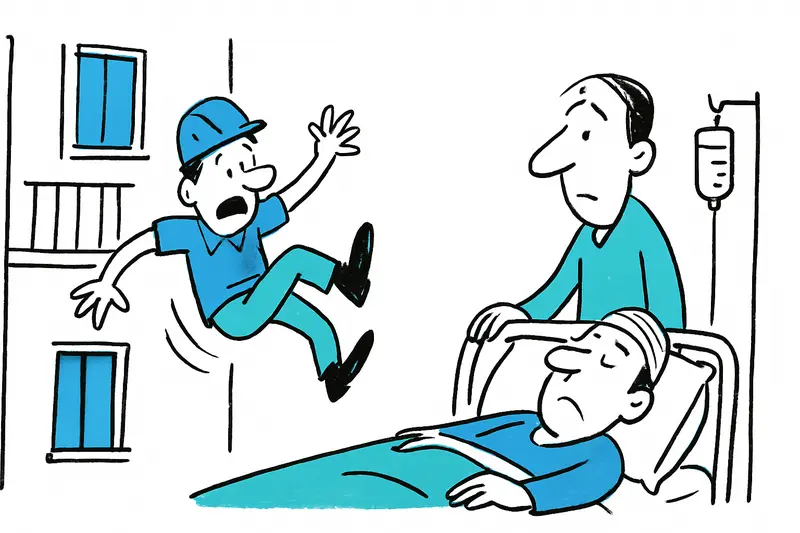
A 23-year-old worker fell from the second floor in Can Pastilla and lies seriously injured in hospital. Was it an accident — or does the case reveal structural deficits in work, housing and social protection on Mallorca?
Fall in Can Pastilla: More Than an Accident?
It was one of those days when the heat shimmered over Carrer de Bartomeu Riutort, seagulls cried from the harbour and somewhere an air conditioner hummed quietly. At midday, around 12:10, a brief cry shattered the street's calm: a 23-year-old man from India fell from the second floor of a residential building in Can Pastilla. Passers-by found him unconscious in the courtyard; emergency crews stabilized him and took him to the University Hospital Son Espases. He has since been in the intensive care unit, as reported in Hombre de 23 años cae desde un apartamento en Palma. The police are investigating and the homicide division is involved — but a larger question quickly emerges.
The Central Question
Was this a single tragic accident — or a symptom of deeper problems? When people who keep everyday life running in the seasonal industry live and work under precarious conditions, individuals can become indicators of a larger system. The investigation must clarify how the fall occurred. Public debate should also think further: who guarantees the living and working conditions of those who keep Mallorca running?
What Is Known — And What Remains Open
The bare facts: location, time, nationality of the injured person, transport to Son Espases. Everything else is speculation for now. Eyewitnesses describe an eerie stillness in the street — no cars, only the distant clinking of dishes, the drone of an air conditioner and the occasional hiss of frying oil from a nearby kitchen. Such details show: life here is loud, stuffy and dense. Whether work pressure, psychological strain or structural defects played a role remains unclear. Investigators must also address these questions — not only those of guilt or intent.
Aspects Often Overlooked in the Debate
We talk a lot about tourist numbers and bed capacities. Little attention is paid to the apartments where seasonal workers live: overcrowded flats, makeshift railings, poor maintenance. Added to this is social isolation: language barriers, absent families, insecure residency status. These factors increase risks — both during the day at work and at night in one’s own home.
Concrete Problem Areas
Accommodation: Many young employees share small rooms. Balconies and windows are often older design, railings seem unstable or do not meet modern safety standards.
Work pressure: Long shifts, little sleep, short breaks — this affects concentration. Exhaustion is an underestimated risk factor.
Lack of support networks: When people do not know where to turn or fear bureaucracy, they often do not report grievances or health problems.
Pragmatic Steps That Could Be Taken Now
Practical lessons must be drawn from an individual case. Some proposals that could be examined immediately:
— Systematic housing inspections in neighbourhoods with a high density of seasonal and low‑wage workers to find and fix dangerous balconies, railings and other defects.
— Labour inspections that go beyond wages: mandatory rest periods, clear shift schedules and minimum accommodation standards included in employment contracts.
— Local, multilingual advisory centres with low-threshold services: psychological support, legal information, and referral to social services.
— Information campaigns for landlords and employers: responsibility for safety does not end at the front door. A quick balcony check can save lives.
A View Beyond the Island
Similar cases on other islands show patterns: overcrowded accommodation during peak season, young isolated workers and structural risks — this is not an isolated incident. A prior report, Fall at Ballermann: Why a Morning on Playa de Palma Can Turn into an Accident, recounted another serious fall on Playa de Palma.
Final Remark
For Can Pastilla the immediate hope is that the young man survives and that the investigation provides clarity. Even more important, however, is the lesson from the incident: behind headlines about overnight stays and new restaurants are people in vulnerable living situations. Politics, administration and civil society should broaden their view — not out of sentimentality, but out of pragmatic interest in a safe, sustainable island. A few inspections, concrete advisory services and a few more responsible landlords could help ensure that such falls do not recur. The seagulls will keep crying — we should not wait to hear them only when something terrible has happened.
Frequently asked questions
What happened in Can Pastilla and why is it being investigated?
Can summer heat and exhaustion increase the risk of accidents in Mallorca?
What living conditions can make seasonal workers in Mallorca more vulnerable?
What should landlords and employers check to improve safety in Mallorca apartments?
Is Can Pastilla a busy area for tourists and seasonal workers?
When should someone be taken to Son Espases after a serious fall in Mallorca?
Why does Mallorca need better support for people working in seasonal jobs?
What kinds of safety inspections could help prevent accidents in Mallorca housing?
Similar News
After Being Admitted to Hospital Again: Heinz Hoenig and the Questions We Should Ask in Mallorca
Long-time Mallorca resident Heinz Hoenig was admitted to hospital again. A clear “what next?” is missing from the covera...
Yellow Alert: Is Mallorca Prepared for the Next Rain Band?
Aemet has issued a yellow alert for the south, southwest and the island's interior. Thunderstorms and heavy rain are for...
Kegel brothers trial postponed: Why Mallorca must wait for a verdict
The trial of 13 German holidaymakers will not begin until May 2028. The long wait raises questions — for victims, defend...
Chaos on Palma's Runway: Why the Summer at the Airport Was So Disrupted
This summer laid bare where Palma airport is faltering: only just over half of departures were on time and seven percent...
Cocaine Offer on Ham Street: Why the Open Trade Should Ring Alarm Bells
In the middle of Pare Bartomeu Salvà a tourist was offered a packet of cocaine as part of a sunglasses deal. A short int...
More to explore
Discover more interesting content

Can Cap de Bou

Townhouse Lleo 72
