
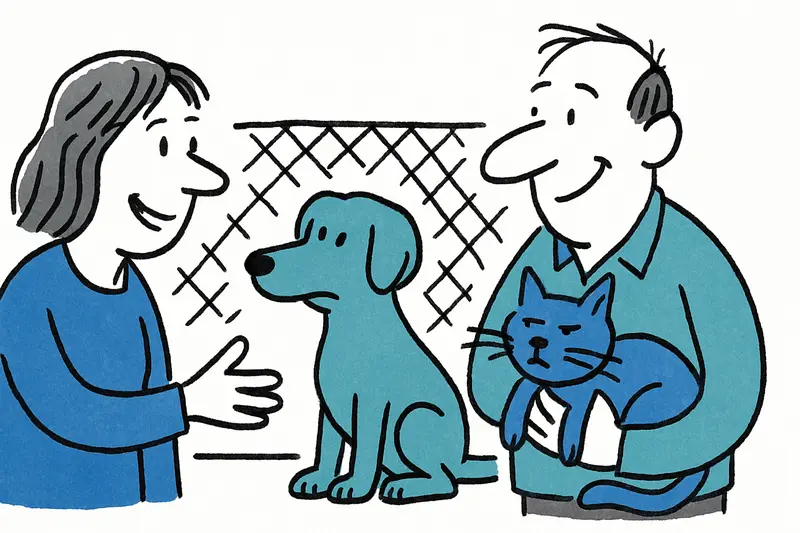
30 Years of SOS Animal in Calvià: Between Birthday Cake and a Systemic Question
SOS Animal turns 30: A day with cake, a flea market and tours — and an urgent question: Can a small animal shelter cope with Mallorca's growing problems on its own?
30 Years of SOS Animal in Calvià: Between Celebration and a Systemic Question
On Saturday, October 18, 2025, the shelter of SOS Animal Mallorca website in Calvià open day report will open its doors: cake, coffee and the familiar soundscape of barking dogs, meowing cats and the distant voices of holidaymakers. Five minutes after opening you can smell the coffee — a small ritual that connects volunteers and visitors and gives strength on long days.
Celebrating with a Purpose: What Awaits Visitors?
On the grounds at Camino Sa Canera 11 there will be flea market stalls, a raffle with prizes up to hotel stays, German sausages, calendars and handmade souvenirs. All proceeds go into animal care. Important note for visitors: access only via Palmanova, the route through Santa Ponça is closed. Parking is limited; arriving on time is recommended.
The Key Question: Can a Small Shelter Handle Growing Problems Alone?
Thirty years is an impressive milestone. But behind the birthday cake lies an urgent question: how sustainable is the model when surrenders and emergencies increase, the municipality covers only part of the costs and volunteers are working at their limit? This question runs through conversations with staff, helpers and visitors and should be asked louder on this day.
Behind the Scenes: Improvisation as Everyday Routine
SOS Animal was founded in 1995. Founder Maxi Lange is still active. Today five permanent employees work at the shelter, plus a colorful troop of volunteers. Daily work consists of trapping free-roaming cats, caring for injured dogs and organizing transports. A local anecdote shows their skill: with a bunch of sardines they recently managed to lure a shy tomcat — an image that reflects both humor and the art of improvisation.
Numbers that Fill the Space
Currently about 100 cats and around 16 dogs live in the shelter. Each year SOS Animal cares for an estimated 500–600 cats and about 100 dogs. Many animals were abandoned or handed in by people who had to give them up for economic reasons or because of housing problems. Helpers report that such surrenders have increased in recent years — a phenomenon felt equally on fincas and in neighborhoods.
Funding: The Municipality Helps, But Is It Enough?
The municipality of Calvià provides the land and covers about a quarter of the running costs. The rest is covered by donations, flea markets, bequests and occasional aid actions. On the one hand, this is touching: solidarity shows itself in cake slices and filled donation boxes. On the other hand, the model is fragile — especially when expensive surgeries are needed or several emergencies arrive at once.
The Invisible Problem: Priorities Based on Bank Balance
Often it is not only medical urgency but also the state of the coffers that determines which treatment is possible. That is an uncomfortable but important observation: when financial constraints shift medical priorities, responsibility shifts from society to volunteers, a dynamic too rarely illuminated in public debates, as in the police rescue of neglected horses in Son Gual.
Concrete Proposals Instead of Good Wishes
There are many approaches that could provide relief. Some concrete proposals that would strengthen SOS Animal and similar institutions:
- Expansion of municipal support: Regular subsidies instead of one-off aid would create planning security. A fixed budget line for neutering programs could have a preventive effect.
- Cooperation with the tourism sector: Hotels, landlords and local agencies could support neutering and information programs. Fair pet policies in holiday accommodations reduce later surrenders.
- Local social funds: Small emergency aids for food, medicine or vaccinations prevent surrenders for economic reasons.
- Professionalization of volunteer programs: Structured training, reliable shifts and better coordination reduce burnout risks and increase efficiency.
What Can Visitors Do on October 18?
Anyone who drops by on Saturday should bring cash, an open ear and some time. Take part in a tour, ask questions about funding and adoption conditions. Consider whether you can support permanently — as a sponsor, foster parent or volunteer. And if you want a pet: inform yourself about microchip and vaccination requirements and honestly check whether your life fits a pet.
A Final Thought
SOS Animal may celebrate on that day — that is important and right. But the celebration is also a reminder: cake and sausages alone are not a long-term strategy. The next candle on the cake should be accompanied by structural answers, so that in 30 years the same questions will not need to be asked again. For Mallorca this means: animal welfare, housing policy and social responsibility belong together.
More info: SOS Animal Mallorca website
Frequently asked questions
What is SOS Animal Mallorca and what does it do in Calvià?
Why do so many cats and dogs end up at shelters in Mallorca?
What should I bring to a shelter open day in Mallorca?
How is SOS Animal in Calvià funded?
Can I adopt a pet from SOS Animal Mallorca?
How do I get to SOS Animal in Calvià on open day?
What kind of animals does SOS Animal Mallorca currently care for?
Why is volunteer support so important for animal shelters in Mallorca?
Similar News

Several Days of Rain Approaching: How Well Is Mallorca Prepared?
Aemet says: rain from Thursday until at least Tuesday, especially heavy on Monday. Temperatures remain mild. A reality c...
Nervous Reaction at a Traffic Stop: Why Campos Is Not Just a Sniffer-Dog Problem
At a traffic stop in Campos a 37-year-old German was arrested with a bag full of drugs. Our reality check explains why s...

Cameras Against Illegal Dumping: Porto Cristo Monitors Problem Areas – a Reality Check
Manacor has installed four surveillance cameras at particularly problematic waste spots in Porto Cristo. A local check a...
Reality check: Palma's "white" torrent — harmless salt or neglected warning sign?
White crusts on the Torrent de Sa Riera are causing a stir. Emaya describes them as salt deposits. Our reality check: wh...
When Ryanair's fleet grows: What Mallorca's travelers should know
Ryanair will soon receive 737 Max 10 jets. The larger aircraft offer potential savings — but also new risks for flight o...
More to explore
Discover more interesting content

Can Cap de Bou

Townhouse Lleo 72
