
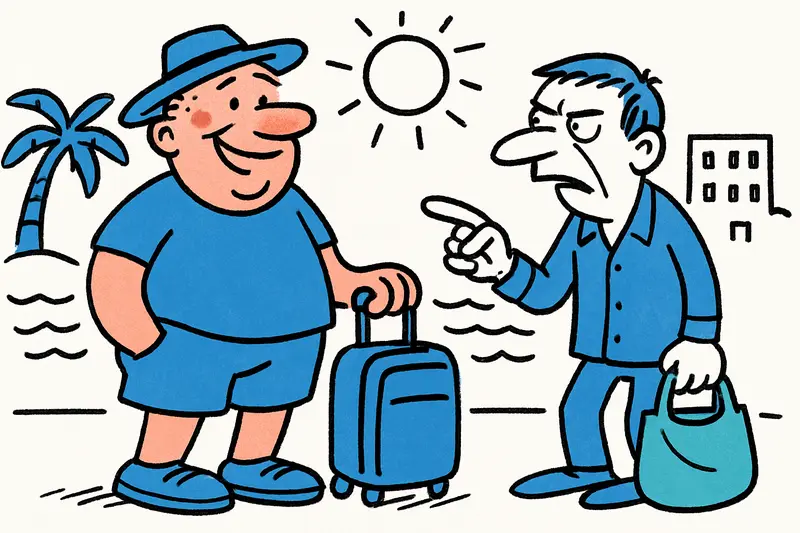
Should Mallorca Raise the Eco-Tax? A Reality Check After Barcelona's Shock Decision
Should Mallorca Raise the Eco-Tax? A Reality Check After Barcelona's Shock Decision
Barcelona raises the overnight levy to up to 15 euros per night. In Mallorca there is cautious waiting. A critical look: who pays, who benefits, and what is missing in the discourse?
Should Mallorca Raise the Eco-Tax? A Reality Check After Barcelona's Shock Decision
Main question: Does a top-up tax like Barcelona's really relieve the island — or does it create new problems?
The news from Barcelona hits hard: overnight guests are to pay up to 15 euros per night in future. In Mallorca, where holidaymakers currently face between one and four euros per person and night depending on season and accommodation, caution prevails. The Balearic government is delaying and speaks of weighing options rather than headlines. That is understandable. But is "no hurry" sufficient in the face of crowded cities, rising rents and overstretched summer infrastructure?
Critical analysis: A steep increase in the eco-tax looks at first like a clear tool. Higher prices reduce demand, coffers fill up and political programs can be financed. But the effect depends on several factors: How are the revenues actually used? Do they go into social housing or do they dissipate into general budgets? Do higher levies primarily affect package tourists or the many small apartments that deprive locals of housing? And how will tour operators and booking platforms react — will guests simply choose other destinations?
What's missing in the public debate: transparency on the use of funds and distributional effects. Much is discussed about amounts and political positions, too little about how additional money can be made tangibly visible right away. Data are also missing: which accommodation types generate which share of the tourist burden? Which measures would effectively reduce housing pressure and which would be merely symbolic? The debate often remains at the level of "more" or "less" money, not at the level of "how".
An everyday scene from Palma: morning at the Mercado de l'Olivar. Sellers sort oranges, an elderly woman with a shopping bag complains about weekend noise, a young waiter quietly talks about the next rent increase for his shared flat near Passeig Marítim. This is where the lines of conflict become visible: streets full of guests, but also neighbours who count every euro. Such scenes explain the pressure behind calls for more radical measures.
Who benefits, who loses? Commercial accommodations with high occupancy would be more affected, but the surcharge could often be passed on to end customers. Small landlords, however, could come under pressure if their margin is narrow. Smaller businesses and day-trippers remain in a grey zone. Reducing tourist numbers can improve quality of life — but can also endanger jobs in gastronomy and retail if no social compensation is provided.
Concrete solutions
1) Ringfencing instead of general pooling: dedicate additional revenues to social housing, concepts against illegal holiday rentals and public transport investment. Visible projects build trust.
2) Differentiated levies: tiered charges by accommodation type, season and length of stay. Short-term bookings could be charged more than stays over two weeks; children and long-term guests could be further relieved.
3) Pilot projects and transparency: instead of an immediate blanket increase, start small test zones (e.g. central districts in Palma) with clear evaluation criteria.
4) Tougher controls on illegal rentals: alongside tax adjustments, enforcement against unregistered holiday apartments must be strengthened. Otherwise legal providers will be disadvantaged.
5) Guide supply, not just raise prices: invest in better public transport links, extend the season through cultural and sports offers, promote gentle tourism — so visitor flows can be smoothed out.
What should happen now
The decision must not be driven solely by ideological lines. Mallorca needs a package: clear rules, transparent earmarking of revenues and accompanying measures for employees and small providers. A blanket doubling of the levy may be politically striking, but it is not a panacea. Without supporting measures, social hardships and displacement effects to neighbouring destinations threaten.
Concise conclusion: A higher eco-tax can make sense — if it is not treated as a wishful umbrella tax but as a targeted instrument with accountability. Locally you feel the pressure: residents in alleys near Passeig Marítim, employees in small bars and the drivers of bus line 1 see daily what it's about. If politics takes this seriously, less volume politics and more distributional policy are needed: those who pay must see what they are paying for.
For holidaymakers this means for now: Mallorca remains cheaper than Barcelona. For residents it means: look closely when why the debate over the overnight-stay tax is flaring up again. And for politicians: courage for small steps instead of fear of big ones — transparent pilot projects would achieve more here than a symbolic blow to the till.
Frequently asked questions
How much is Mallorca’s eco-tax for tourists right now?
Why is Mallorca debating a higher eco-tax now?
Would a higher eco-tax in Mallorca really help reduce tourism pressure?
What should Mallorca do with extra eco-tax money?
Could a higher eco-tax in Mallorca hurt local businesses?
What does the eco-tax debate mean for residents in Palma?
Would a higher eco-tax make Mallorca more expensive than Barcelona?
What would be a sensible way for Mallorca to change the eco-tax?
Similar News
Released with Conditions: The Plus Ultra Suspicion and a Mallorcan Finca as Residence
A Dutch entrepreneur, sought in connection with the Plus Ultra case, was extradited to Spain after his arrest in Germany...

Haute Nuit in Puerto Portals: Fashion, Art and Indulgence by the Water
On October 2 the Lobster Club in Puerto Portals will be transformed into a stage for curated fashion, art and culinary e...
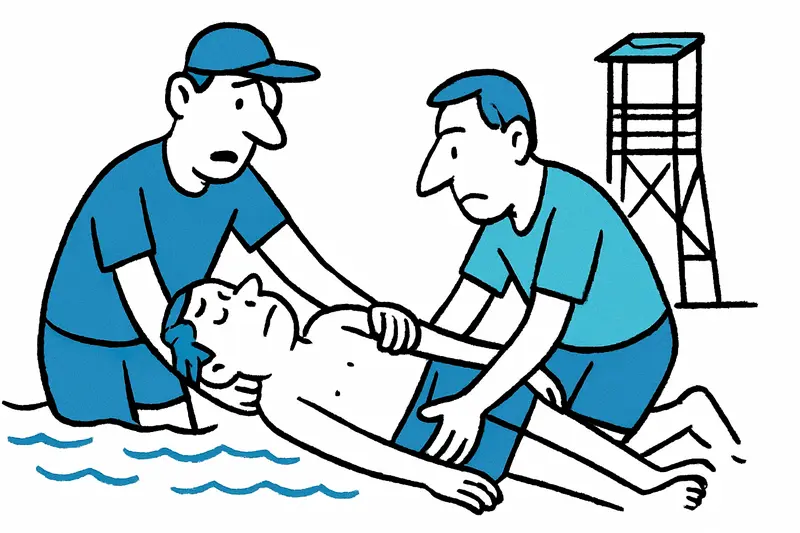
Magaluf: Watchtower Alarm – Lifeguards Pull Unconscious Beachgoer from the Water
After a drama in the late afternoon, two lifeguards at Magaluf beach rescued an unconscious 44-year-old man. He was stab...
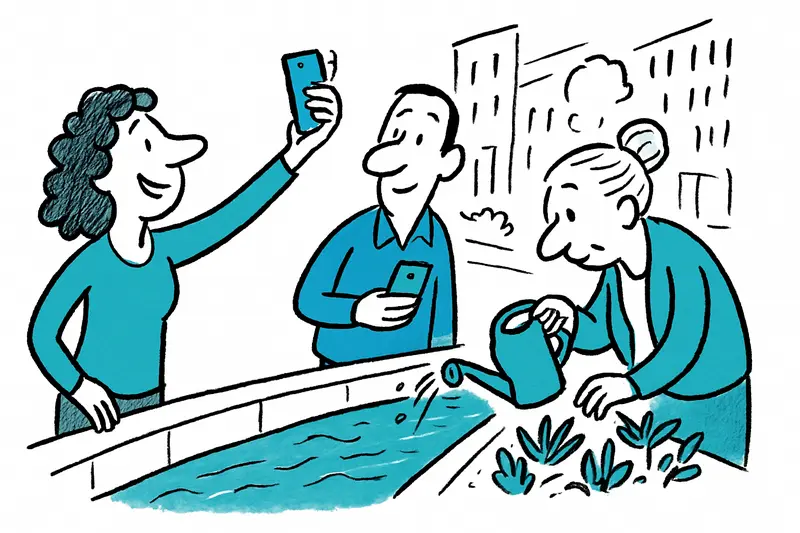
Turquoise in the City: How dangerous is the color play of the Sa Riera?
The Sa Riera in Palma suddenly turned turquoise — a pretty motif, but behind the effect lies a discharge of saline waste...

Jeckliner at Sunnesching: Cologne spirit sets sail from Palma
In September 2027 the Mein Schiff 2 briefly becomes a floating carnival stage: four days with Cologne bands, comedy and ...
More to explore
Discover more interesting content

Can Cap de Bou

Townhouse Lleo 72
