

Why the eco-tax debate in Mallorca is flaring up again — and what is really missing
Two euros more per overnight stay are proposed for the summer months to ease pressure and fund water and wastewater projects. It sounds simple, but it remains piecemeal without proper controls and transparency. A look at the open questions and practical solutions for Mallorca.
Why the eco-tax debate in Mallorca is flaring up again — and what is really missing
When the first bakeries on Passeig Mallorca fire up their ovens and the seagulls above the playa still cry out sleepily, you notice: the island thinks in cycles. In winter it's about infrastructure, in summer about crowds. Now, in the middle of this rhythm, the idea has resurfaced to raise the eco-tax by two euros per overnight stay in June through August 2026, as discussed in Por qué vuelve a encenderse la discusión sobre el impuesto de pernoctación en Mallorca. The question everyone asks is simple and sharp: does that really help — or will it just be another political patch?
What it's really about
At first glance the math is simple: more revenue, more money for projects you don't see on the beach — water treatment, wastewater facilities, waste disposal. For residents walking along the rambla in the evening, less noise and cleaner beaches are immediately noticeable. For many hoteliers two euros sound like a small surcharge; for neighbors in busy districts it can bring significantly more quality of life. But between idea and effect there is a big problem: enforcement. The conversation has shifted since a notable political change, covered in Impuesto ecológico en Mallorca: el aumento se acerca.
The blind spot: private short-term rentals
For years you hear the same stories at the market in Santa Catalina or at the café on the plaça: holiday apartments that do not bill correctly, subletting, shadow economy. If revenues are not fully recorded, the supposed benefit of the tax ends up in a black box. The result: municipalities like Son Servera or Palma see only fractions of what could be — and the urgency to invest in networks and water remains. This dynamic is explored in OECD research on short-term rentals and housing markets.
Round table — good approach, wrong pace
The so-called Round Table on economic sustainability can help bring together different interests. But time and again the need for discussion turns into delay. Governing also means deciding — and doing so in favor of the common good. If political compromises are the only outcome, Mallorca will remain on the waiting list for improvements while the high season arrives with crowded streets and packed beaches.
What is discussed far too little
Less talk revolves around implementation: who controls private landlords? How is the earmarking legally secured? What sanctions apply in case of abuse? It is not enough to increase a number on the bill. Without a system of digital accounting, mandatory registers and clear sanctions, the tax remains a bureaucratic band-aid.
Concrete steps — a pragmatic plan
A few ideas that could work faster than new rounds of debate: first, a mandatory online register for short-term rentals linked to tax returns; second, a dashboard that shows in real time which funds flow where — transparency builds trust; per International Budget Partnership on budget transparency; third, targeted inspection teams in municipalities that effectively sanction violations; fourth, a legal enshrinement of earmarking so that water projects are actually paid from this revenue; fifth, pilot projects with dynamic scaling of the tax in particularly overloaded areas.
A bit of political courage — and a dash of irony
Two euros do not sound like a revolution, but they could be a catalyst — if they are not allowed to seep away. Far too often we talk in Palma or over a glass on the plaça about solutions while the clock ticks and the mopeds fill the alleys. Politics should set priorities now: concrete rules, transparent use of funds and clear sanctions. No more romantic round-table ballet without results.
Anyone who has listened in recent years in the cafés on the Rambla, at the Santa Catalina market or to hoteliers on Playa de Palma knows: small surcharges can be useful. But usually honest, consistent implementation helps more. Mallorca needs fewer debate cycles and more visible improvements — the olive trees beside the road don't grow faster just because people talk about them longer.
Frequently asked questions
Why is Mallorca talking about raising the eco-tax again?
What is the Mallorca eco-tax meant to pay for?
Does a higher tourist tax in Mallorca really improve quality of life for residents?
Why is enforcement such a big issue with Mallorca’s eco-tax?
How do private holiday rentals affect Mallorca’s tourist tax system?
What changes have been suggested to make the Mallorca eco-tax work better?
What should visitors know about Mallorca’s eco-tax when booking a summer stay?
Why do people in Palma and Santa Catalina keep criticising the eco-tax debate?
Similar News

When coercive fines aren't enough: Could holiday rental owners soon face prosecution?
The island administration is stepping up action against unauthorized holiday rentals: high daily coercive fines up to €5...

Palma Airport on an Expansion Course — Who Decides How Much Growth the Island Needs?
Aena and Madrid are planning multi-million euro investments for Son Sant Joan and project higher capacities. Concern is ...
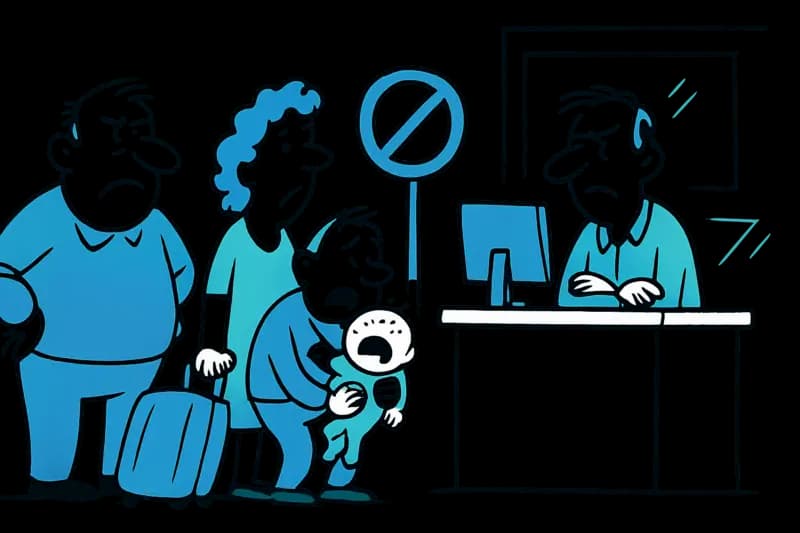
Who Gets Left Out? Why Overbookings Will Hit Many Mallorca Travelers This Summer
On hot check-in days at Son Sant Joan, frustrated travelers pile up. New figures from Reclamador.es show that a large sh...
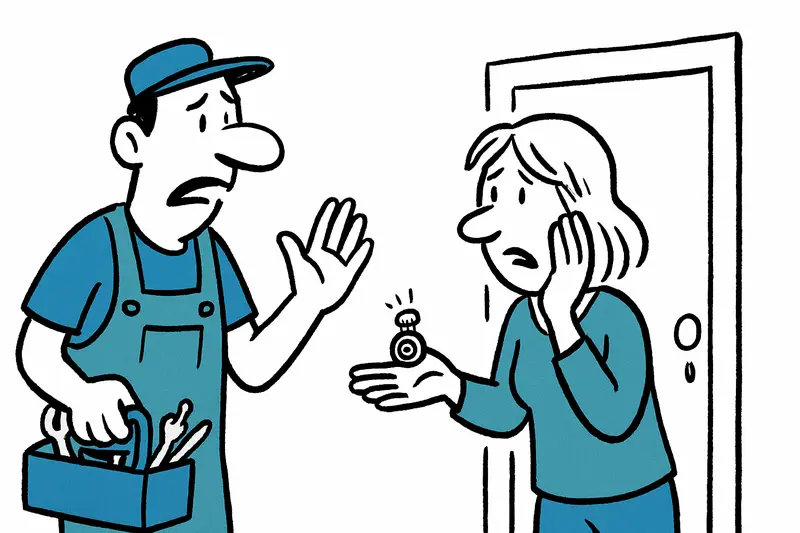
When the Handyman Came: How an Engagement Ring Disappeared in Mallorca and What It Says About Trust
During a repair in Andratx a highly personal engagement ring went missing — a case that calls not only for punishment bu...
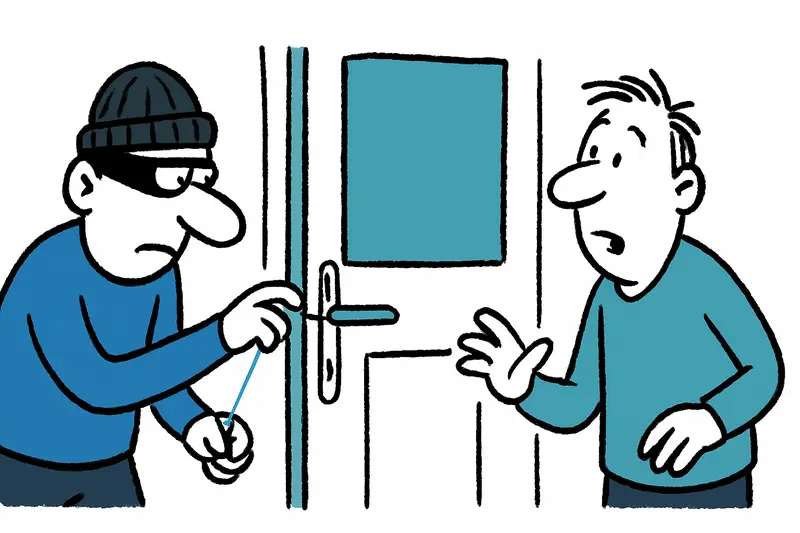
How Burglars Test Fincas in Mallorca — and What You Can Do About It
The Spanish National Police warn of a simple but effective trick: small markings on doors reveal whether a finca is occu...
More to explore
Discover more interesting content

Can Cap de Bou

Townhouse Lleo 72
