
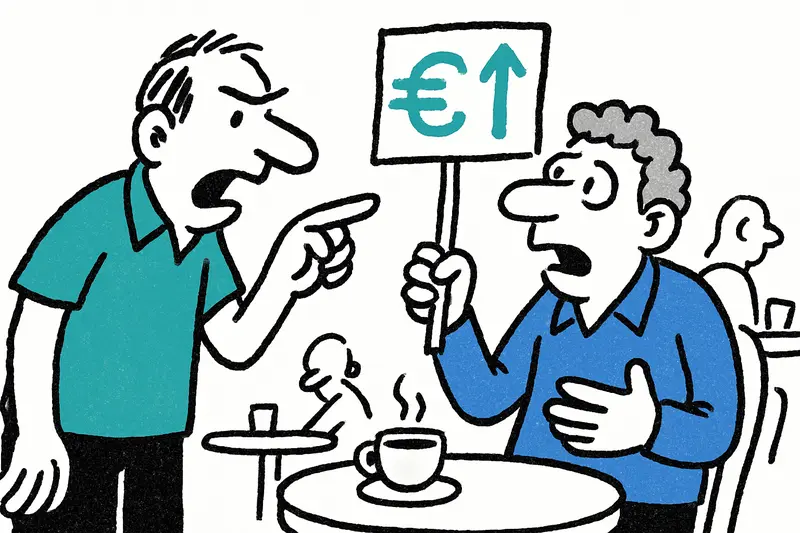
Eco-tax in Mallorca: Extra Costs, Frustration — and What Is Truly Missing
The debate about raising the eco-tax by around two euros per night is stirring Palma. Between plaza conversations and ferry horns: why the discussion should be more than a price tag — and which concrete solutions are hardly on the table yet.
Eco-tax in Mallorca: Extra Costs, Frustration — and What Is Truly Missing
At Plaça Cort, in the café on Passeig Mallorca and along the harbor you can currently hear the same murmurs: Will the eco-tax increase this summer? The topic has reached Palma; you see older women nodding in social circles, young waiters bringing espressos and debating, and the ferry horns from the evening shift remind you how much mobility shapes everyday life here. Politically, two euros more per overnight stay are proposed for the summer months. But the guiding question remains: Who carries the burden — and who truly benefits?
What is on the table
The proposal is simple: during the high summer season the levy per night should rise, revenues would flow into sustainability projects and infrastructure; in addition, fees on vehicles brought in by ferry are being considered. That is how politicians explain it, and that is what people in the cafés hear. Voices like Iago Negueruela warn of an island reaching its limits, Prime Minister Marga Prohens refers to the Mesa de Sostenibilidad — see Impuesto ecológico en Mallorca: el aumento se acerca — but what exactly will come out in the end remains vague.
The problem behind the price tag
The debate is too often reduced to the pure euro amount: two euros more per night — ridiculous or unfair. Far less attention is paid to how regressive such a levy can be. Families on small budgets, seasonal workers and many long-term guests feel every surcharge more strongly than luxury travelers. At the same time, important questions remain open: Will the additional revenues really be earmarked? How will success be measured — fewer cars, cleaner beaches, more reliable bus connections?
A taxi driver I met in the evening put it succinctly: "If it helps to ease the roads, okay — but then we must also see results." The demand for visible results is local and justified. Otherwise the levy remains a new price tag that only fills administration and accounts.
Aspects that are rarely mentioned
First: the logistics of the ferry fee. Craftsmen, medical personnel, commuters — they sometimes bring vehicles for practical reasons. A flat fee could burden regional supply routes. Second: the pressure on the rental market. Locally rented apartments and long-term guests could be displaced by cumulative costs (taxes, parking fees, higher ferry costs). Third: fiscal and bureaucratic implementation questions. How will it be checked whether a vehicle was truly imported only temporarily? What exemptions will there be?
Concrete alternatives instead of mere price increases
The discussion must not stop at the simple euro surcharge. Some proposals that could have rapid effects in Palma:
1. Time-staggered pricing: A truly dynamic eco-tax that is higher during peak times and lower in quieter months. This steers demand instead of burdening everyone equally.
2. Exemptions and social scaling: Discounts for seasonal workers, commuters and craftsmen as well as for longer-term guests preserve social fairness.
3. Earmarking and transparency: Revenues must be tied to clear projects and publicly trackable — for example bus lines, bike lanes, waste management. A monthly report from the Mesa de Sostenibilidad would build trust, as discussed in Por qué vuelve a encenderse la discusión sobre el impuesto de pernoctación en Mallorca.
4. Alternative mobility offerings: Before imposing many additional fees, the offering of passenger ferries, affordable long-distance buses and car-sharing should be expanded. People accept higher charges more easily if they have a real alternative.
5. Pilot projects and evaluation: Test small, time-limited increases in selected municipalities, measure and adjust — instead of island-wide rules without experience data.
Opportunity or bureaucratic trap?
The planned measures can really change something — if they are designed intelligently. Otherwise they threaten to become another bottleneck in the already complex weave of tourism, housing and mobility. People in the streets want solutions, not handouts: cleaner buses, affordable housing, less morning congestion when ferries arrive and mopeds honk.
The ball is now in the politicians' court — and in all of ours who live here. An increase in the eco-tax is not a panacea, but with clear rules, social scaling and real investments in infrastructure, annoyance could turn into opportunity. Let us not only wait for the price tag, but insist on the receipt and the plan behind it.
Frequently asked questions
Will the Mallorca eco-tax increase this summer?
What is the Mallorca eco-tax supposed to pay for?
Who is most affected by higher tourist taxes in Mallorca?
Will there be a fee for bringing a car to Mallorca by ferry?
Could a higher eco-tax make Mallorca more expensive to visit in peak season?
Is there a fairer way to apply an eco-tax in Mallorca?
How can Mallorca make an eco-tax more transparent?
Why is the Mallorca eco-tax debate causing so much frustration?
Similar News
The End of the Cheap Ride? Why Mallorca Is Hit Harder by the Fuel-Price Shock
Gasoline and diesel average close to two euros per liter. What this means for commuters, supply chains and renters in Ma...
Relaxed liquid rules in Munich: What Mallorca travelers will notice
At Munich Airport the 100-milliliter rule will be lifted at all checkpoint lanes — thanks to new CT scanners passengers ...
For 45 Years on Mallorca — and Then This: How a Market Visit in Santa Ponsa Became a Lesson
A woman who has lived on the island for decades lost money and important documents at the Mercat Setmanal in Santa Ponsa...
10 percent surcharge on the beach: How legal and transparent is the extra charge at Playa de Muro?
A German part-time resident noticed days after a restaurant visit in Playa de Muro that the bill included a flat ten per...
Body near the Llevant Market: What this death says about our city
A man was found dead on Sunday afternoon near the Llevant Market. Police say the death appears natural. The scene raises...
More to explore
Discover more interesting content

Can Cap de Bou

Townhouse Lleo 72
