
When a Backpack Loudspeaker Becomes a Stress Test: Season's End at Ballermann and Loud Disregard
When a Backpack Loudspeaker Becomes a Stress Test: Season's End at Ballermann and Loud Disregard
At the end of the tourist season, groups played extremely loud music through the streets in the Playa de Palma area. Residents, taxi drivers and bus staff are annoyed – the question is: are the municipalities' measures sufficient to stop such excesses?
When a Backpack Loudspeaker Becomes a Stress Test: Season's End at Ballermann and Loud Disregard
Main Question
How long are a few revellers allowed to dominate the daily life of entire neighborhoods at Playa de Palma with mobile amplifiers before authorities and hosts take binding action?
Brief Description of the Incident
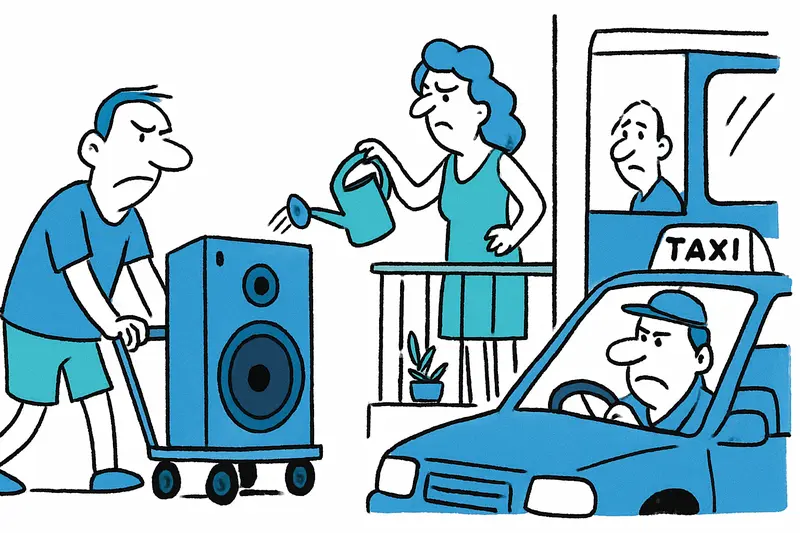
In recent days, apparently foreign holidaymakers walked through the side streets of the party mile at Playa de Palma around midday with a very large portable speaker, playing music at a volume that residents, taxi drivers and the drivers of local buses clearly described as disturbing. A video showing the incident circulated on social networks and spread quickly – a typical autumn sight that already prompts sighs from many here: hotels are closing, the season finale at Playa de Palma, and some guests seem to only crank things up then.
Critical Analysis
The problem is not just the volume of a single speaker. It is a clash of different interests: part of the local economy depends on tourism, while another part suffers from noise, litter and work-related stress. The police are present, but often reactive rather than preventive. Fines for noise disturbance exist; whether they are imposed often depends on the perception and prioritization of the officers on duty. For residents this means repeated burden without quick relief. And for staff in buses or taxis it means staying focused even though a half-party is happening in front of their vehicles.
What Is Missing in the Public Discourse
General solution approaches are often discussed, but three things appear too rarely: first, clear rules of responsibility for accommodation providers and street event organizers during the transition period; second, practical tools for residents to report harassing incidents quickly and verifiably; third, coordinated interventions on site, instead of relying on sporadic checks. The debate remains too symbolic and not pragmatic enough about procedures, for example who can confiscate which equipment when or how repeated disturbances are logged and sanctioned.
An Everyday Scene from Mallorca
It is half past eight in the morning on a side street off Playa de Palma: garbage trucks roll by, the food stalls smell of fried fish, three taxi drivers stand in their usual rank discussing the previous night in low voices. An EMT bus passes, the driver casts a surprised look at a group that has mounted a powerful speaker on a cart. The sun is still low, but the music is already booming. A neighbor watering the plants on her balcony stops and furrows her brow – she is fed up with the festival season. Such scenes are now everyday here, and they wear down the patience of many who are not part of the party.
Concrete Solutions
1) Mobile controls with sound level meters: police and regulatory services should work with standardized measurement devices and be able to document results. 2) A fast reporting channel for residents: an app or local hotline that accepts location, time and – if possible – a short video and forwards it to the responsible authorities. 3) Sanctions that work: repeated violations should lead to graduated penalties, up to confiscation of speakers in cases of acute disturbance. 4) Host obligations in the transition period: hotels and landlords should be contractually required to manage guest behavior, for example through information sheets handed out at check-in. 5) Prevention work at entry and exit points: brief notices at the airport or bus stations about local quiet hours and rules for portable amplifiers could prevent many situations. 6) Designated, clearly limited party areas in the off-season: those who want to party should be able to do so in concentrated places, instead of burdening streets and residential areas.
Why This Is Feasible
Many of the proposed measures do not require new laws but better coordination: mobile measurement technology, digital reporting systems and graduated sanctions can be introduced locally. However, an agreement is needed between municipalities, police, transport companies and the accommodation industry – and the political will to act consistently even during the low season.
Conclusion
The scene with the huge speaker is symptomatic: a small group disturbs many people. Those who live or work on the island want clear rules and reliable enforcement, and questions about how safe Ballermann really is are part of that demand. Otherwise the relaxation many seek after a season will end as a loud swan song.
Frequently asked questions
When is the best time to visit Mallorca for comfortable weather and fewer crowds?
Can you swim in Mallorca year-round, and what should you know about sea conditions?
What should I pack for a trip to Mallorca?
What are good activities for a first-time visitor to Mallorca?
What’s the weather like in Mallorca across the year?
Are Mallorca’s beaches suitable for families?
What are the best ways to get around Mallorca?
Are there seasonal markets or events to plan around in Mallorca?
Similar News

Up for a Scare: Why Mallorca Enjoys a Little Fright
Pumpkins on the windowsill, children's voices on the Passeig Marítim and a warm autumn evening — Halloween on the island...

Wrong-way driving on the Ma-15: Head-on crash at Xorrigo and the questions that remain
In the early morning hours, a seven-seater vehicle traveling in the opposite direction collided with a delivery van at t...
Iris Berben opens the Evolution Film Festival in Palma – 15 years of cinema on the island
At the 15th Evolution Mallorca Film Festival Iris Berben was honored for her life's work. The evening at the Palau de Co...
Why tourists must tap their card again on TIB buses — and how to avoid the penalty fee
If you board an intercity bus (TIB) in Mallorca with a card, you must 'check out' again when you get off. If you omit th...

Which Tent Suits Me? A Mallorcan Guide to Sleeping Outdoors
Short and practical: How to choose the right tent for camping, trekking or beach days in Mallorca — with local observati...
More to explore
Discover more interesting content

Can Cap de Bou

Townhouse Lleo 72
