
Wrong-way driving on the Ma-15: Head-on crash at Xorrigo and the questions that remain
Wrong-way driving on the Ma-15: Head-on crash at Xorrigo and the questions that remain
In the early morning hours, a seven-seater vehicle traveling in the opposite direction collided with a delivery van at the Xorrigo exit (Ma-15). Two people were injured, one seriously. Why do such accidents happen — and what needs to change in Mallorca?
Wrong-way driver on the Ma-15: One accident, two injured — and many open questions
Key question: How could a wrong-way driving incident occur on a heavily used route like the Ma-15, ending in a head-on collision, and what lessons is Mallorca drawing from it?
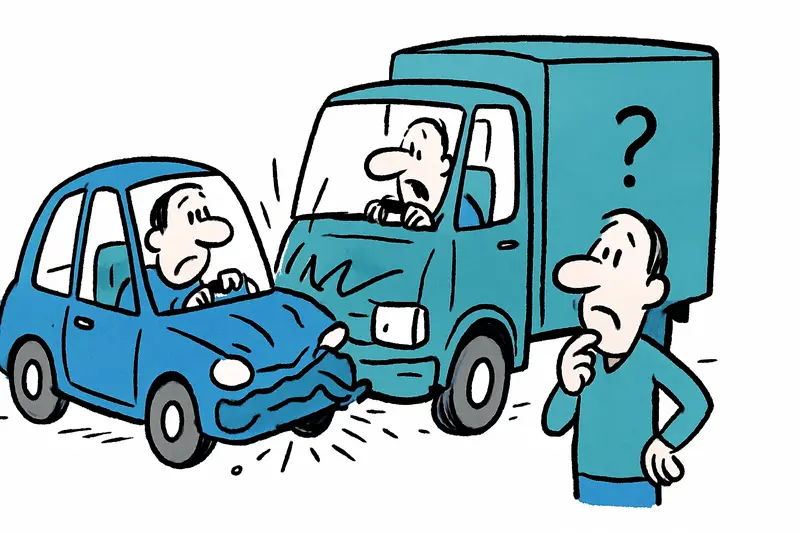
At dawn, around 05:00 a.m., a serious collision occurred on the Palma–Manacor motorway (Ma-15) near the Xorrigo exit. A seven-seater minivan apparently entered the opposing lane and collided head-on with a delivery van that was legally travelling toward Manacor. Both vehicles came to a stop in the middle of the road; traffic toward Manacor was temporarily blocked. Ambulances from SAMU 061, units of the Guardia Civil (traffic police) and the Palma fire department attended the scene: two people were injured, the suspected wrong-way driver suffered serious injuries, the delivery van driver minor injuries. Previous near-misses, such as Wrong-way driving at Coll d'en Rabassa: Near crash raises safety concerns on the airport highway, have raised similar questions about early-morning incidents.
Critical analysis: Where the causes could lie — and what we do not yet know
There are several possible causes for wrong-way incidents on motorways: disorientation in the dark, navigation errors, fatigue, health problems or the influence of alcohol and medication. Infrastructure factors can also contribute: unclear exits, insufficient lighting or missing physical barriers that could prevent wrong entry. In this case the Guardia Civil's traffic police are still investigating; no conclusive statements about the cause are yet available.
What is often missing in public debate is the question of the frequency and patterns of such incidents on Mallorca. Are wrong-way reports concentrated at off-peak times? Are there stretches with recurring signage problems? Without this data, responses remain reactive instead of proactive. Reports like Wrong-way crash near Llucmajor: motorcyclist severely injured — what's going wrong on the road to Cap Blanc? suggest patterns worth mapping.
What is missing from the discourse
On the island people quickly focus on the spectacular scene — sirens, damaged vehicles, traffic jams — but rarely on systemic weaknesses: analysis of accident hotspots, systematic checks of lighting at critical exits, technical measures against wrong entries or mandatory refresher training for drivers in certain accident statistics. Preventive information channels for night owls or shift workers who travel at unusual times are also rarely discussed.
An everyday scene from Mallorca
Imagine the morning at the Xorrigo exit: still dim, petrol station lights casting cold reflections on wet roads, a couple with thermoses waiting at a bus stop for the first bus to Palma, and the scent of freshly baked ensaimada coming from a bakery. Then the piercing horns, blue lights, the Guardia Civil motorcycles, the smell of petrol in the air — the calm is disturbed for hours. Such images are not just numbers in a statistic; they affect commuters and residents alike. Similar consequences were seen after Head-on Crash on the Ma-11: Three Injured — and the Uncomfortable Question of Greater Safety.
Concrete solution approaches
Practical measures can be short- and long-term. In the short term, increased patrols during night hours, mobile warning signs at critical exits, trained teams to quickly clear the road and information messages via radio and traffic networks help. Emergency response chains should also be reviewed: how quickly can help reach this point on the Ma-15?
In the medium term, improving infrastructure is important: better lighting at exits, clearer markings, additional guardrails and rumble strips that warn drivers when they enter the wrong way. In other regions, systems that automatically detect wrong-way drivers and warn road users via variable message signs or broadcast alerts have already played a role. Discussions around such measures followed incidents like MA-10 under scrutiny: Head-on collision between intercity bus and delivery truck near Esporles. Such sensor and camera solutions are expensive but make sense on heavily used routes like the Ma-15.
Long term, data is needed: an island-wide recording of wrong-way incidents, scientific analyses of causes and a coordinated prevention strategy between the Consell, the Dirección General de Tráfico and the Guardia Civil. Public outreach is not a luxury: awareness campaigns about dangerous situations at night, correct use of navigation systems and behavior in emergencies help reduce the number of incidents.
Conclusion — brief and to the point
The accident at Xorrigo is not an isolated fate; it reveals weaknesses that Mallorca must take seriously. We can talk about sirens and tow trucks — what matters more is that shock leads to insight: counted data, targeted infrastructure measures and clearer prevention. Otherwise the Ma-15 will become the site of another avoidable tragedy.
Frequently asked questions
When is the best time to visit Mallorca for beach days and outdoor activities?
Is Mallorca suitable for family-friendly beaches and safe swimming?
What should I pack for a Mallorca trip?
How can I get around Mallorca without a car?
What are must-see towns or areas to visit in Mallorca?
What are popular day trips from Palma?
Is Mallorca good for water sports like snorkeling or paddleboarding?
Are there seasonal events or festivals in Mallorca I should know about?
Similar News
Up for a Scare: Why Mallorca Enjoys a Little Fright
Pumpkins on the windowsill, children's voices on the Passeig Marítim and a warm autumn evening — Halloween on the island...
When a Backpack Loudspeaker Becomes a Stress Test: Season's End at Ballermann and Loud Disregard
At the end of the tourist season, groups played extremely loud music through the streets in the Playa de Palma area. Res...
Iris Berben opens the Evolution Film Festival in Palma – 15 years of cinema on the island
At the 15th Evolution Mallorca Film Festival Iris Berben was honored for her life's work. The evening at the Palau de Co...
Why tourists must tap their card again on TIB buses — and how to avoid the penalty fee
If you board an intercity bus (TIB) in Mallorca with a card, you must 'check out' again when you get off. If you omit th...

Which Tent Suits Me? A Mallorcan Guide to Sleeping Outdoors
Short and practical: How to choose the right tent for camping, trekking or beach days in Mallorca — with local observati...
More to explore
Discover more interesting content

Can Cap de Bou

Townhouse Lleo 72
