
€300,000 for Films in Mallorca – a Reality Check
€300,000 for Films in Mallorca – a Reality Check
The Consell is providing €300,000 for feature films, series, short films and documentaries. A good idea — but how will the money be distributed, who really benefits, and what is missing from the plan?
€300,000 for Films in Mallorca – a Reality Check
What conditions must be met for the funding to produce more than just nice headlines?
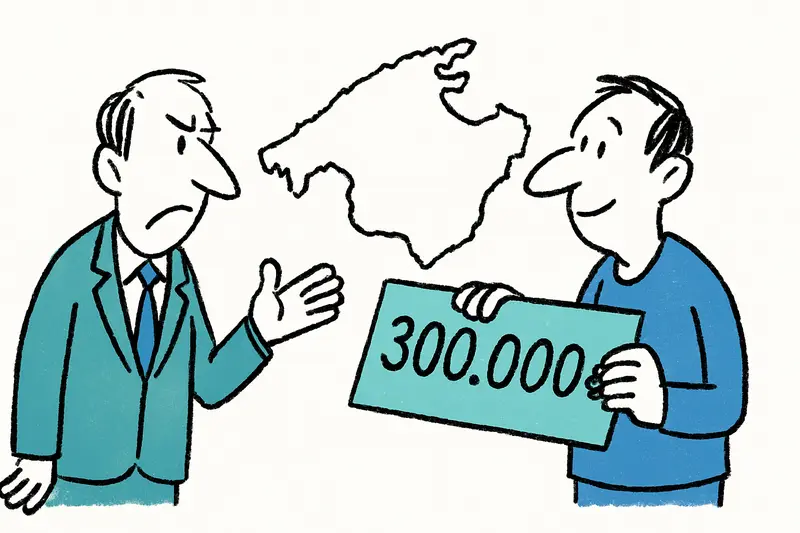
The Consell has announced that it will make €300,000 available for audiovisual co-productions. Eligible projects include feature films, short films, series and documentaries involving Mallorcan production companies; up to €100,000 per project is possible. At first glance this sounds like a welcome support for culture and the local labour market. The remaining question is: Is it enough, and how will the benefit to the island actually be measured?
Briefly analysed: With a pot of €300,000 you can either fund three projects at €100,000 each or support several smaller productions. Both approaches have advantages and disadvantages. Large individual projects may bring international visibility and larger production chains — but they tie much of the money to single teams. Many small projects distribute funds more regionally, support young filmmakers and ensure a broader embedding in the local ecosystem. Which strategy the Consell pursues is not clear from the mere announcement of the sum.
What has so far been hardly discussed in the public debate: selection criteria, transparency and sustainability requirements. Many people in Mallorca see film productions as an opportunity for hotels, restaurants and technical service companies — especially in the off-season, while housing pressures are discussed in When €800 Suddenly Becomes €1,300: How Minimum Lease Periods Are Pushing Tenants Out in Mallorca. At the same time, questions arise about environmental regulations for shoots in sensitive coastal areas, working conditions for local crews and the transfer of knowledge to emerging filmmakers. Without clear requirements, subsidies may bring short-term turnover but generate little long-term local value added.
A typical scene: on a windy, sunny morning on the Passeig Marítim in Palma vans deliver croissants to the cafés. The distant clatter of ladders and the hum of a scooter can be heard; two young people with camera backpacks are loudly discussing shooting permits. The island looks like an open-air studio — and yet the young crew wonders whether they even stand a chance with a public funding call, because the formal hurdles are often high and the calls are short notice. This friction is described in "Our office is the island": When filming becomes an opportunity and when it becomes a burden for Mallorca.
Concrete proposals to make the €300,000 more than just billboards:
1) Transparent selection process: Public calls with clear evaluation criteria and written justifications for the selections. A jury composed of industry experts, representatives from culture and municipal administrations, and a member of the audiovisual industry.
2) Tiered funding: A sub-fund for large co-productions (max. €100,000) and a sub-fund for emerging projects (smaller grants). This makes it visible that the funding aims to enable both international reach and local development.
3) Mandatory local value creation: Minimum quotas for Mallorcan service providers, accommodation and technicians; mandatory proof in final reports. This creates jobs and keeps money on the island.
4) Environmental and social requirements: Rules for shoots in protected areas, waste management on set, and contracts that ensure fair working conditions for crews. Film projects should not only show the island but also respect it.
5) Support programme for newcomers: Workshops, internships and scholarships linked to the funding. This way young talent benefits directly from the co-productions and remains active on the island instead of leaving.
6) Monitoring and public reports: After each funding year a report with a breakdown of costs, number of employees, overnight stays, shooting locations and environmental measures. This makes it traceable what the funds actually achieve and how they interact with local support schemes such as Tenant Aid in the Balearic Islands: Well-Intentioned but Too Narrowly Scoped.
Conclusion: €300,000 is a starting signal. Whether it becomes a sustainable boost for Mallorca's creative and tourism sectors depends on the framework. Without transparent rules and binding requirements the money risks disappearing into a few large projects — with limited benefits for the wider population. With clear selection criteria, environmental conditions and a strong focus on local participation, however, the same sum can become a springboard: for job opportunities in Palma, for workshops in Manacor or for young filmmakers in Santanyí. The million-euro fund is not available — but the way the Consell uses the €300,000 will decide whether Mallorca wins as a filming location or remains merely a pretty backdrop.
Frequently asked questions
What should I expect from Mallorca weather in late spring?
Can you still swim in Mallorca in late spring?
What should I pack for Mallorca in late spring?
Is late spring a good time to visit Mallorca?
What is Palma like in late spring?
Is Soller good to visit in late spring?
Is Deia a good place for a spring day trip in Mallorca?
How windy is Mallorca in late spring?
Similar News

When the Tap Only Runs Sometimes: Why Municipalities in the Balearic Islands Are Now Rationing Water
Deià, Valldemossa, Esporles, Sóller and several places on Menorca are scaling back water supply. Who is responsible, why...

Battle for the Ramp: Why Cala Gamba Needs More Than Enforcement
The Guardia Civil intervened in Cala Gamba — residents breathed a sigh of relief, but unease remains. Key question: Are ...

He dances at the Duty-Free: How an airport employee brings a smile to Palma
A Duty-Free employee at Palma Airport created a viral TikTok with dancing breaks. Why the scene is more than just an int...

Stolen Motorcycle in Palma: Fatal Crash in Coll d'en Rabassa Shortly After Theft
A motorcycle parked on Plaza Miquel Dolç in Son Gotleu was reportedly stolen in the early hours. Hours later two men cra...

When More Guests Mean Less: Mallorca's Restaurants at the Limit
Despite record visitor numbers, the revenues of many restaurants are shrinking. Why more visitors don't automatically me...
More to explore
Discover more interesting content

Boat Tour with BBQ along Es Trenc Beach

Private transfer from Mallorca Airport (PMI) to Pollensa
