
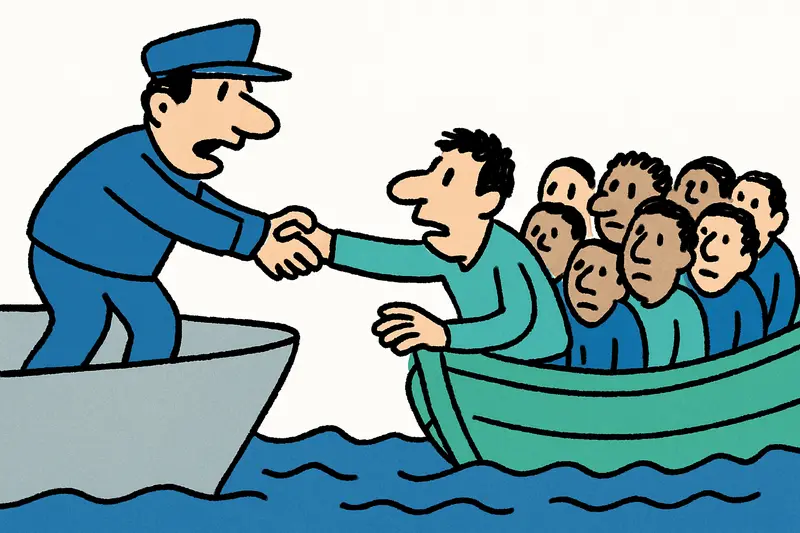
Nights of Landing: 60 People off Formentera — Between Rescue and Overload
Southeast of Formentera, Guardia Civil and Salvamento Marítimo carried out three operations in one night, bringing a total of 60 people ashore. The incidents highlight the growing strain on rescue teams and the questions rarely asked in the public debate.
Nights of Landing: Three Operations, 60 People and Much to Discuss
On a night when the wind barely moved the waves around La Savina and the lights of the fishing boats twinkled like small stars in the harbour, Guardia Civil and Salvamento Marítimo conducted three operations southeast of Formentera. In total, 60 people were brought ashore — spread over several interventions between Friday evening and the early hours of Saturday morning.
How the operations went and what remains unclear
The first patrol vessel took on 24 people who had been on a small boat about 24 nautical miles southeast of Formentera. Later, rescuers found a group further out whose members were registered and said to come from the Maghreb. In the early Saturday morning, there was the scene on the beach of La Fragata: passersby alerted the authorities when 21 people reached the shore on foot and sought help.
Official figures are sparse, and that is symptomatic: reports give total numbers but rarely the full biography of these nights — which routes people took, how long they were at sea, who played which role. For Formentera residents who discuss the mood of the sea over a café con leche, often only a sense remains: 'You can see them coming, sometimes out of nowhere,' says an old fisherman with worn rubber boots on the quay.
The statistical reality: more arrivals, more pressure
The Balearic Islands have recorded 282 boats carrying around 5,245 people since the beginning of the year. By comparison, in 2024 some 5,882 people landed on the islands in total. The curve is moving upward — and with it the pressure on search and rescue services, Guardia Civil, local authorities and volunteers.
The numbers are sober, but their consequences are not: bottlenecks in initial care, longer stays in emergency shelters and psychosocial strain that often remains invisible. Rescue workers describe routine in the work, but growing exhaustion among staff and resources.
Few discussion points that would matter more
The public debate often revolves around border security and deportation. Less discussed is what preventative measures could look like without undermining the principle of saving lives at sea: better weather and route warning systems for coastal residents and fishermen; targeted cooperation with transit countries; expansion of legal routes for escape and migration so that people are not forced onto dangerous crossings.
The local perspective is also too often a marginal note: Formentera is a small island with limited medical and logistical capacity. Nights like this are talked about at coffee tables in La Savina — not out of sensationalism, but because neighbours help, care for children and volunteers sacrifice their free time.
Concrete approaches instead of platitudes
A few pragmatic proposals that could make a difference here and now:
1. Mobile reception teams: A small, permanently stationed unit with immediate medical aid, interpreters and psychosocial first response could bring quick relief to Formentera.
2. Better coordination of Mediterranean monitoring: Coordination between regional coast guards, Salvamento and EU mechanisms as well as more targeted satellite and drone support to detect risky crossings earlier.
3. Temporary logistics and isolation capacities: Rapidly deployable shelters that not only provide sleeping space but also health checks and basic legal information.
4. EU-funded safe corridors: More legal admission routes and humanitarian visas would reduce pressure on dangerous boat crossings.
These points may sound banal — and yet political energy to implement them is often lacking. The question remains: how long can a small island community endure these nights of arrival as a permanent state?
Looking ahead: solidarity instead of superficial solutions
The temptation of simple answers is strong: tougher isolation, media outrage, silence. A better approach would be an honest regional plan that treats search and rescue as an unshakable value while also addressing root causes. That does not mean less control, but much more coordination, preventive measures and humane alternatives.
For the people who came ashore that night, a dangerous stage of their journey ended. For Formentera, a night of work began for helpers and authorities. And for all of us remains the question whether we will keep merely reacting or finally start shaping policy — with solidarity, foresight and respect for those who arrive on the shores of our islands.
The wind still stirs the seaweed at the shore, the lanterns in La Savina flicker. The conversations in the cafés will not die down — and perhaps that is exactly where change begins.
Frequently asked questions
Why do migrant arrivals in the Balearic Islands affect Mallorca as well?
What happens when a small boat is spotted off Formentera at night?
Is it safe to swim in Mallorca when there is wind or rough sea?
What should visitors pack for Mallorca if they plan to spend time near the coast?
What is La Savina in Formentera known for?
Why are night-time sea rescues in the Balearic Islands so difficult?
How many people have arrived by boat in the Balearic Islands this year?
What kind of support do people receive after landing on a Balearic island?
Similar News
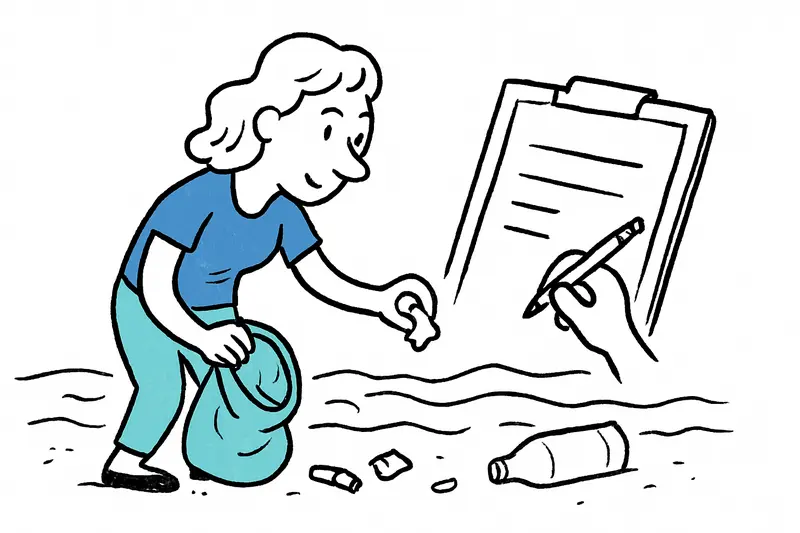
Mallorca researcher urges simple beach habit: take litter, provide data
Ananda Pascual from IMEDEA asks visitors to collect and record small pieces of litter during beach walks. On Mallorca, s...

New lift on the Passeig Marítim brings El Terreno closer to the seafront promenade
In Palma the city is building a lift between Calle Patrimoni and the Passeig Marítim at Parc de la Quarentena. The proje...
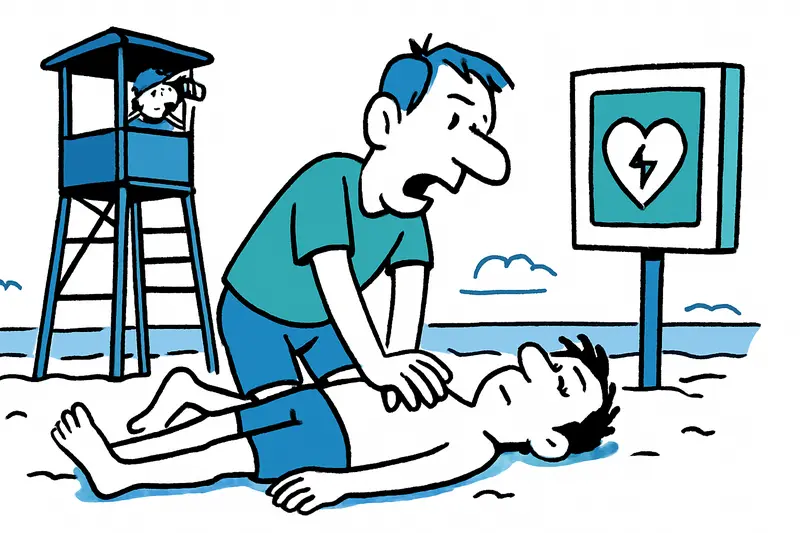
Drama at Cala Agulla: 45 Minutes of Resuscitation — What the Rescue Tells Us
On Wednesday afternoon lifeguards pulled an unconscious tourist out of Cala Agulla. Resuscitation lasted 45 minutes befo...
Gloomy Days in Majorca: Why the Next Low Pressure System Should Make Us Nervous
Thick clouds over Palma, storms at sea and red warnings for Valencia: AEMET forecasts showers at least until Monday. Wha...

Maribel: Five Decades of Service – Housekeeper from Peguera Celebrated with a Special Honor
Over 50 years in the hotel business: María Isabel “Maribel” Molinos was honored in Palma at the Nit del Turisme by Unive...
More to explore
Discover more interesting content

Can Cap de Bou

Townhouse Lleo 72
