
65-year-old dies in crash on Ma-13A near Santa Maria del Camí
65-year-old dies in crash on Ma-13A near Santa Maria del Camí
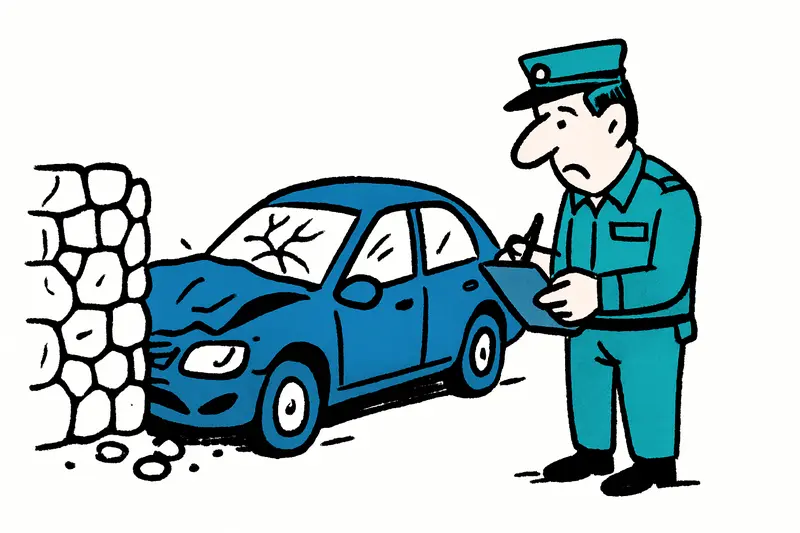
A 65-year-old man died on the evening of 22 May 2026 on the Ma-13A near Santa Maria del Camí. His car crossed into the oncoming lane and struck a stone wall. The Guardia Civil is investigating the crash.
65-year-old dies in crash on Ma-13A near Santa Maria del Camí
A car entered the oncoming lane and struck a stone wall; emergency crews could only confirm the death
On the evening of 22 May 2026 a drive on the Ma-13A ended tragically: a 65-year-old man lost his life after his vehicle, apparently heading toward Inca, crossed into the oncoming lane and collided with a stone wall. Firefighters had to free the driver from the wreck; it was already too late to help him. The Guardia Civil has begun investigating the circumstances.
Key question: How safe is the stretch between Santa Maria del Camí and Inca if a single-vehicle accident can be so deadly?
The Ma-13A is not unfamiliar to most people on the island. In the mornings farmers commute with crates behind the wheel, delivery vans race past supermarkets, and tourists follow the signs to the villages. In the evenings there are headlights, the chirping of crickets and the flicker of taillights. The fact that in some sections natural stone walls stand directly at the roadside is part of Mallorca's rural landscape — but it is also a danger if a vehicle leaves the carriageway there. Incidents such as Fatal accident on the MA-5013 near Sant Jordi: Why does the stretch remain dangerous? underline that vulnerability.
Critical analysis: The facts are sparse, and that is part of the problem. We only know that the car entered the oncoming lane and hit a wall. Why that happened remains unclear — technical faults, the driver's health, excessive speed, distraction, poor road condition or a combination of these are possible explanations. Without a reconstruction by the Guardia Civil much remains speculative. Still, patterns emerge: stone walls built close to the road, sometimes missing guardrails and stretches with poor visibility increase the risk that a slip becomes fatal, as highlighted by Fatal accident near Capdepera: motorcycle collides with microcar on MA-4040. Other recent reports, like Fatality in Rear-end Collision on Ma-5013: Could the Crash Have Been Prevented?, show how varied causes (speed, distraction) lead to fatalities.
What is missing in the public debate? Two things: first, honest figures and maps that show accident hotspots, and second, a discussion about how maintaining rural roads fits with modern safety standards. On Mallorca we talk a lot about beaches, tourism and festivals. We rarely talk about accident-prone country roads and funding for small protective measures. The result: measures such as additional delineator posts, reflective markings or targeted traffic calming remain local and sporadic.
An everyday scene from Santa Maria: on a Saturday morning by the church, the smell of freshly baked bread from the bakery on the plaza, old men discussing agriculture and gates, children on their way to school. Drivers turn quickly onto the narrow Ma-13A; for many it is routine. That familiarity is deceptive: routines reduce attention, and on a road with little room to evade, a mistake can be immediately fatal.
Concrete solutions: We do not need grand promises, but pragmatic steps. First: targeted securing of accident hotspots — where stone walls are immediately adjacent to the road, guardrails or energy-absorbing barriers would be sensible. Second: better visibility through reflective posts and clearer road markings, especially on bends and in areas with limited sight. Third: pinpointed traffic calming measures such as road narrowing, speed reductions and displays that show speed. Fourth: more transparency in municipal-level accident statistics so citizens and decision-makers can set priorities. Fifth: awareness campaigns for older drivers and regular health checks — not to moralize but to identify risks early.
And very practically: rescue and fire drills on rural roads must take place regularly; every minute counts when someone must be extracted from a crashed vehicle. Small municipalities also need support in training and equipment.
Pointed conclusion: A sad evening in Santa Maria is a reminder that Mallorca's rural roads are not automatically safe. Technology, infrastructure and human error combine. The Guardia Civil's investigation will clarify what exactly happened. Until then the duty of politicians and administrators is clear: identify gaps and act where a wall sits too close to the road or a turn signal is missing. Fewer words, more guardrails — that would be a start.
Frequently asked questions
When is the best time to visit Mallorca for beach weather?
Can you swim in Mallorca outside the summer months?
What should I pack for Mallorca in spring or autumn?
Is Mallorca good for a holiday if you do not want extreme heat?
What is Palma de Mallorca like for a short city break?
Is the Serra de Tramuntana worth visiting in Mallorca?
What is the weather like in Mallorca in autumn?
Which Mallorca towns are good for a quieter stay?
Similar News
German tourist dies in Sa Calobra – a reality check for emergencies on Mallorca's beaches
A 40-year-old tourist died at the Torrent de Pareis. The emergency call, a doctor who happened to be present, a defibril...
Deadly Tractor Accident in Bunyola: What Needs to Be Done Now
In a work accident on an estate near Bunyola, a roughly 40-year-old man lost his life. His wife and a small child were o...
Head-first dive into the shallow part of Cala Fonoll: An accident and the unresolved question of responsibility
A young tourist dove into Cala Fonoll and was seriously injured. Key question: Why are clear warning signs missing at da...
Mistaken identity with fatal consequences: Brutal assault in S'Aranjassa — what's missing in the follow-up?
At S'Aranjassa a visitor to a finca was tied up, beaten and thrown out of a van. Three men have been arrested, including...
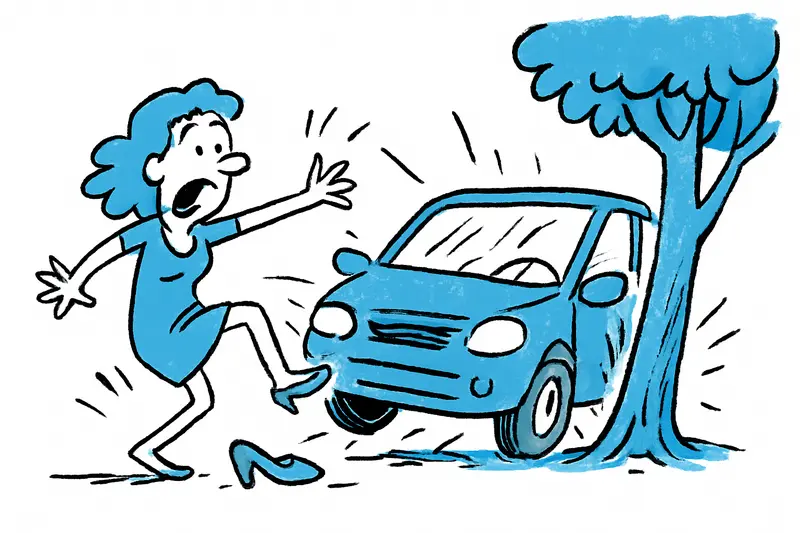
High heel slips, car accelerates: accident on Camí de Son Hugo
A woman lost a high-heeled shoe on the forecourt of the sports facility at Camí de Son Hugo. The car accelerated, mounte...
More to explore
Discover more interesting content

Can Cap de Bou

Townhouse Lleo 72
