
650 Students Defrauded: Verdict Upheld — a Reality Check for Majorca Tourism
650 Students Defrauded: Verdict Upheld — a Reality Check for Majorca Tourism
The Supreme Court confirms: a tour operator must serve two years in prison and pay more than €280,000 to 650 students. How could this happen — and what will change for Majorca?
650 Students Defrauded: Verdict Upheld — a Reality Check for Majorca Tourism
Key question: How could a single organizer deprive 650 young travelers of their week in Majorca — and what would authorities, universities and customers need to do to make sure this does not happen again?
What happened
The Spanish Supreme Court has upheld the conviction of an entrepreneur who apparently pocketed funds from 650 students for an organized trip to Majorca, but failed to provide the transport and hotel bookings. The responsible party, the sole managing director of a company operating under the name Todolisto.es, had received payments averaging around €400 per person. Instead of delivering the services, he appears to have used the money to cover previously incurred liabilities; shortly afterwards he filed for voluntary bankruptcy. The criminal court classified the behavior as serious embezzlement: two years in prison and an obligation to compensate the victims with a total of more than €280,000.
Critical analysis: Where the gaps lie
At first glance the verdict sends a clear signal: fraud is punished (Palmanova verdict: Two years in prison — and what Mallorca must learn now). But it does not answer why the system did not prevent the damage in advance. Three deficits are important and came together here: insufficient consumer protection for very cheap group trips, a lack of transparency about company balance sheets, and inadequate safeguards for customer funds when organizers lack clear bank or insurance coverage.
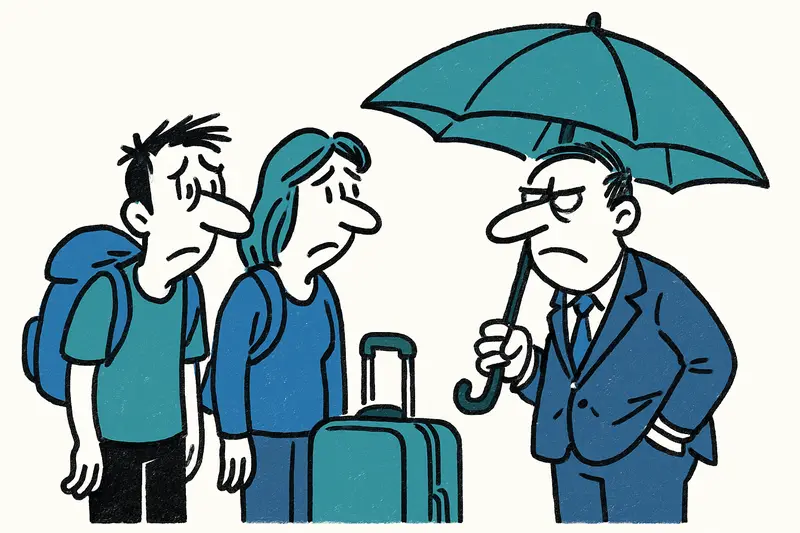
Practically this means: when students sit in the Palma airport waiting room, zip up their backpacks and rely on pickup by a bus, they trust that an organizer has secured payments in escrow or by insurance. In this case there was apparently neither an escrow account nor a travel guarantee, so customer funds flowed to cover other debts. Banks, payment service providers and regulators should scrutinize this more carefully before repeatedly releasing funds to high-risk providers.
What is missing in the public discourse
The debate mostly revolves around punishment and compensation, including a suspended sentence after €35,000 fraud in Palma. That is important — but incomplete. Media and officials rarely discuss prevention: How are tour operators vetted? What information obligations exist for groups organized via social media or forums? Equally crucial is the role of payment channels: How can customer payments be channeled so that they are not immediately absorbed by the general creditors in case of a company insolvency?
Everyday scene from the island
I often see it at Playa de Palma (Playa de Palma: Probation after Elevator Assault — Enough Justice for Guests?): shoulders laden with backpacks, a babel of Spanish and German voices, suitcases with university patches. A group of students who arrived here in 2013 are older now, but the memory of the colorful hustle remains. On the Passeig Mallorca parents sit with coffee cups, discussing refunds and call logs. These small scenes make clear: these are not anonymous figures, but people who planned their first big trip — and suddenly find themselves in legal paperwork.
Concrete solutions
1) Mandatory escrow accounts: Customer funds for group trips should be required to sit in separate escrow accounts and only be released after the service has been provided. 2) Mandatory insurance or guarantee: When a tour operator registers, a basic protection must be proven — a kind of insolvency insurance for customer funds. 3) Registration and credit checks: A public register for operators with required disclosures on balance sheet, liability structure and maximum customer numbers would create transparency. 4) Information obligations for group bookings: When trips are offered via social media channels, forums or student platforms, clear contractual documents and notices about required protections should be provided. 5) Faster refund processes: Judicial and extrajudicial routes must be accelerated; payment defaults in large groups need priority handling so refunds do not languish in insolvency pools for years. 6) Education and advice: Universities and student services should offer mandatory guidance about organizers and vigilant travel advice.
Why this matters — and why Majorca is affected
Majorca is a magnet for young travelers; the island also depends on the so-called student crowd. When operators act unscrupulously without consequences, the reputation of local hosts, hotels and transport companies that try to plan services responsibly suffers in the long run. Prevention not only protects consumers, it protects the local economy from the follow-up costs when holidaymakers lose trust.
Punchy conclusion
The verdict is right, but it is therapy, not prevention. Two years in prison and payment obligations are a result, not a safeguard. A better system would make such cases harder from the outset: escrow accounts, mandatory guarantees, more transparent registration — combined with guidance for students. On the island, between the noise of the airport and the cafés of the old town, travelers should no longer have to expect a drama of returning home empty-handed. If we want that, we must learn from convictions and change the structure.
Frequently asked questions
What happened in the Majorca student trip fraud case?
How can you check if a Mallorca group trip organiser is trustworthy?
What should students know before booking a cheap trip to Mallorca?
Is it safer to pay for a Mallorca trip by bank transfer or card?
What should I do if a Mallorca trip organiser cancels or disappears after payment?
Why do student trips to Mallorca need better consumer protection?
What can Palma de Mallorca travellers do to avoid booking fraud?
Why does a fraud case like this matter for Mallorca tourism?
Similar News

More water than last year: Mallorca's reservoirs breathe easier
September rain refilled the Tramuntana's reserves: overall fill around 35 percent, Cúber at 40.42 percent, Gorg Blau at ...
Three Luxury Hotels in Banyalbufar: Lots of Money, Many Questions
A Danish investor plans three exclusive accommodations in Banyalbufar — including the historic Son Valentí. The announce...
2.1 tonnes of cocaine on sailing yacht off Spain's coast – a reality check for the coastguard
A 14-metre yacht was seized with 2.1 tonnes of cocaine. Who monitors the ports, how does the international hunt succeed ...

Heat Bonus in Mallorca: 100 Euros Extra for Outdoor Staff at MarSenses
MarSenses pays employees who worked outdoors in August an extra €100 as recognition. Lighter uniforms, reduced hours for...

Renovating in Mallorca: What You Really Can Do Without Neighbour Consent
Many think they can do whatever they want in their apartment. That's partly true — but only as long as structural elemen...
More to explore
Discover more interesting content

Can Cap de Bou

Townhouse Lleo 72
