
77-year-old missing in Llucmajor: Why such cases on the island must not become routine
77-year-old missing in Llucmajor: Why such cases on the island must not become routine
A 77-year-old German is missing in Llucmajor. SOS Desaparecidos is searching for Reiner Schnell. A critical assessment: What is lacking in search and prevention on Mallorca?
77-year-old missing in Llucmajor: Why such cases on the island must not become routine
Key question: Why have missing-person reports involving German nationals accumulated this late summer and how can the island respond better?
The association SOS Desaparecidos has published a missing-person report: sought is a 77-year-old German, last seen in the municipality of Llucmajor. According to the information, his name corresponds to Reiner Schnell, he is approximately 1.75 meters tall, sturdily built, with white hair and blue eyes. Anyone with relevant information is asked to contact the emergency number 112, the Policía Nacional at 091, the Guardia Civil at 062 or the hotline set up by SOS Desaparecidos at 868286726.
Sound familiar? In recent weeks there have been multiple reports of missing German-speaking people — some were found safe, others remain missing, for example Missing on Lombok: Family from Palma Demands Answers. The pattern repeats: older people or tourists traveling alone disappear near the coast, on hiking trails or in rural towns. The facts are worrying, but the conclusions are not always straightforward.
Critical analysis: several factors converge. First, demographics: Mallorca has many older residents and guests. Metabolic disorders, dementia and sudden illnesses increase the risk of getting lost, as in Missing at Playa de Palma: A Dementia Case and the Lessons for the Island. Then the transport and landscape geography: narrow country roads, poorly marked tracks and remote coves make localization difficult. Language barriers also play a role when people in need cannot accurately say where they are. Finally, there are organizational gaps: reports are passed on, but information channels between volunteer search groups, municipal offices, the Guardia Civil and consulates could be faster and more binding.
What is missing in public discourse: concrete prevention instead of mere expressions of concern. It is not enough to share a name and description and wait for clues. Many articles cite numbers and cases, such as Baby disappears from bar – happy ending, but many questions for Mallorca, but little discussion takes place about who should take preventive responsibility locally — neighborhoods, hotel staff, car rental companies, tour operators. Equally rarely is there open talk about the technical equipment used in search operations: drones with thermal cameras, systematic review of CCTV at access points, timely mobile phone location in coordination with operators.
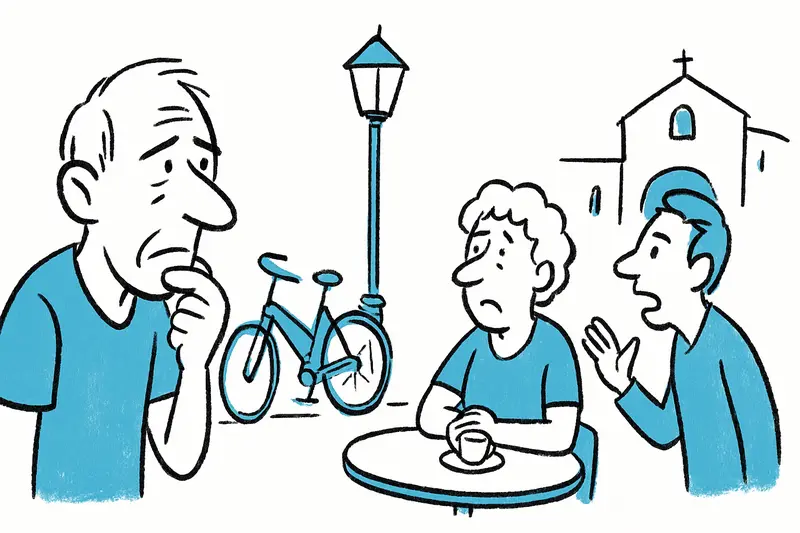
An everyday scene from Llucmajor: mid-morning on the Plaza d'en Borràs an older woman sits at a café, the smithy on the corner opens, the church bell rings three times. An unattended bicycle leans against a lamppost, but the owner is absent. People whisper briefly, call neighbors, ask at the bar. Such micro-observations are often the first clue — if someone is watching. That very watching is missing in many places because residents and visitors do not know one another.
Concrete approaches that could be implemented immediately: first, a standardized reporting protocol for municipalities and police that automatically informs local volunteers, neighborhood groups and operators (hotels, landlords, excursion agencies) whenever a missing-person report is filed. Second, preventive registration for older residents and solo travelers: simple index cards available in pharmacies, doctors' offices and municipal offices with emergency contacts and health data, accessible to rescue services. Third, a bilingual information campaign targeting retirees' associations, bike rental shops and tourist centers: reminders to take breaks, checks for heat and hydration, GPS tracker options for people at risk. Fourth, technical upgrades: targeted use of drones and thermal cameras in search operations and systematic querying of mobile data by authorities after legal clearance — all with clear data protection rules.
Further measures (as argued in 18 People Missing off Mallorca — A Call to Politics and Society): regular joint training between the Guardia Civil, Policía Nacional and civilian search teams; clearer protocols for consulates so that relatives are informed more quickly and consistently; protocols for landlords and hosts so that missing guests are reported earlier. Signposting on hiking trails and along the coast could also be improved — many paths are hard for non-locals and older people to interpret.
My appeal to locals and visitors: pay attention. If an older person appears to be alone, note license plates, description and direction and pass this information to emergency services. A call to 112 can make the difference.
Concise conclusion: The repeated cases of missing persons are not a natural law. They are a wake-up call for better prevention, closer coordination between authorities and civil society and more everyday attentiveness. When a name like Reiner Schnell appears in a search notice, it is not just a statistic — it is a person, an empty cup in a bar, a bicycle at a lamppost. Such small things can mean rescue. Numbers to report: Emergency 112, Policía Nacional 091, Guardia Civil 062, SOS Desaparecidos hotline 868286726.
Frequently asked questions
What is the best time to visit Mallorca for nice weather and fewer crowds?
Are Mallorca’s beaches safe for swimming, and what should I watch for?
What should I pack for a trip to Mallorca in terms of weather and activities?
What is the best way to get around Mallorca besides walking?
Are there good hiking trails in Mallorca and what should I bring?
What are must-see spots in Palma for a short visit?
When is it best to swim in Mallorca and what should I check before going in?
Do people speak English in Mallorca, and how should I handle language nuances?
Similar News

Brawl at Palma Airport: When Competition Turns to Violence
In the arrivals area of Son Sant Joan a dispute between transfer service drivers escalated. One man was arrested, the vi...
Ham Street, Sunglasses, Cocaine: When Sales Tricks Become Dangerous
A vendor at Playa de Palma offered a pair of sunglasses — and apparently hid a small packet of cocaine. The central ques...
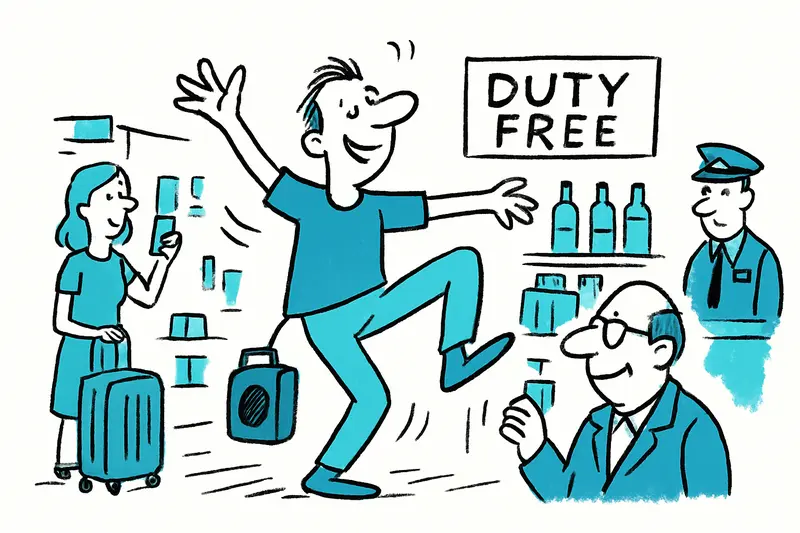
Dancing Instead of Complaining: The Viral Duty‑Free Artist and the Payment Gap at Palma Airport
An actor dances through the duty‑free area in Palma, goes viral — and speaks of unpaid bills. Who is responsible, and wh...

"As a diver I felt helpless": Many dead sea urchins off Calvià — what this means for the sea
At one spot off Calvià a diver found hundreds of dead sea urchins. It is clear these animals are important for the seabe...

Robotaxis on Majorca? Why the DGT approval in Madrid also affects us
The Spanish traffic authority has approved tests for driverless level‑4 taxis in Madrid. What this means for Majorca — i...
More to explore
Discover more interesting content

Boat Tour with BBQ along Es Trenc Beach

Private transfer from Mallorca Airport (PMI) to Pollensa
