

Missing at Playa de Palma: A Dementia Case and the Lessons for the Island
Missing at Playa de Palma: A Dementia Case and the Lessons for the Island
Arnold J., 70, who has senile dementia, has been missing from Playa de Palma since early Monday morning. He was last seen between Balnearios 9 and 10. Anyone with information is asked to call 112 or any police station in Mallorca.
Missing at Playa de Palma: A Dementia Case and the Lessons for the Island
Key question: What goes wrong when a person with dementia disappears without a trace at a busy coastline?
Since early Monday morning (01.12.), 70-year-old German Arnold J. has been reported missing. The Balearic emergency services published details on X: the man suffered from senile dementia and was last seen in the section between Balnearios 9 and 10 in the Las Maravillas neighborhood at Playa de Palma. Description: approximately 1.70–1.75 m tall, brown hair and eyes, last seen wearing brown trousers and a grey-orange zip jacket. Anyone with information is asked to contact 112 or any police station in Mallorca immediately. (Related coverage: Mourning at Ballermann: Who protects the most vulnerable at Playa de Palma?.)
In short: an older person, apparently disoriented, disappears on a public stretch of beach where people jog, walk dogs and delivery vans still move during the day. How can this happen? (See Dead Tourist at Playa de Palma: An Accident Raises Many Questions.)
Initial critical analysis: Playa de Palma is not a hidden spot during daytime, but it is noticeably emptier at night and in the early morning. Especially in the low season there are fewer eyes around, private security reduces its presence, and tourist density is lower – three factors that reduce the chance someone will notice a confused person. Added to that are language barriers and the hesitation many people feel about intervening: a German visitor in Mallorca is quickly written off as just another tourist instead of someone in need of help.
What is often missing from the public debate is the everyday perspective of carers and families who know the risk that people with dementia may wander off unnoticed. Discussions focus on beds, beaches and flight connections, but rarely on simple identification aids, local alert chains or the role of small local businesses – the kiosk owner on the avenue, the hotel cleaner, the baristas on the promenade – who can often be the first to help if they are informed. (Related report: Playa de Palma: Death at Balneario 2 – How good is Mallorca's help for people in need?.)
A small scene you see here every morning: the promenade is still damp from the night rain, a salty chill blows in from the sea, a garbage truck rumbles by, two dogs pull on their leashes, and an older man waits at a stop for the first bus to Palma. In such a situation a single confused person can easily disappear among traffic, tourists and deliveries.
Concrete suggestions that would help immediately:
1) Visible identification aids: Wristbands with name, emergency contact and a note about dementia are cheap and effective. Pharmacies, family doctors and municipal offices in Mallorca could keep supplies and inform relatives.
2) Local reporting network: Municipalities and neighborhood groups should set up simple WhatsApp or telephone chains. In tourist centers, hoteliers and beach operators are valuable multipliers – a short training is enough to help them recognize missing people sooner and inform 112.
3) More information at high-traffic points: Bus stations, balnearios and promenades need notices with emergency call information in multiple languages and brief instructions for reporting found persons.
4) Police – care cooperation: If cases of people with dementia who frequently wander are documented, local police could respond proactively: targeted patrols at certain times and focused information campaigns in affected neighborhoods.
These measures are not a miracle cure, but they are practical and immediately implementable. They do not require new laws, but coordination: municipalities, police, care providers, pharmacies and volunteers must be networked.
If you walk along Playa de Palma today, you may hear the seagulls, the surf and the distant clack of buses — and you should still keep your eyes open. A quick look into the scrub behind the beach bushes, a call to 112, or remembering an item of clothing can save lives.
Conclusion: The case of Arnold J. shows how vulnerable people with dementia are in public places. Rather than waiting for something serious to happen, small local changes can make searches easier and increase the chances of finding those affected quickly. And practically: if you have information, call 112 or any police station in Mallorca. Every piece of information counts.
Frequently asked questions
What should I do if I see a missing person at Playa de Palma?
Why can someone with dementia go missing so easily in Mallorca?
Is Playa de Palma busy enough that a missing person would be noticed quickly?
What kind of identification helps if an older person with dementia is traveling in Mallorca?
How can hotels and local businesses in Playa de Palma help during a missing person case?
Are there enough warning signs and emergency information for tourists in Mallorca?
What time of year is it harder to find someone missing on Mallorca beaches?
What simple steps could improve safety for vulnerable people in Playa de Palma?
Similar News
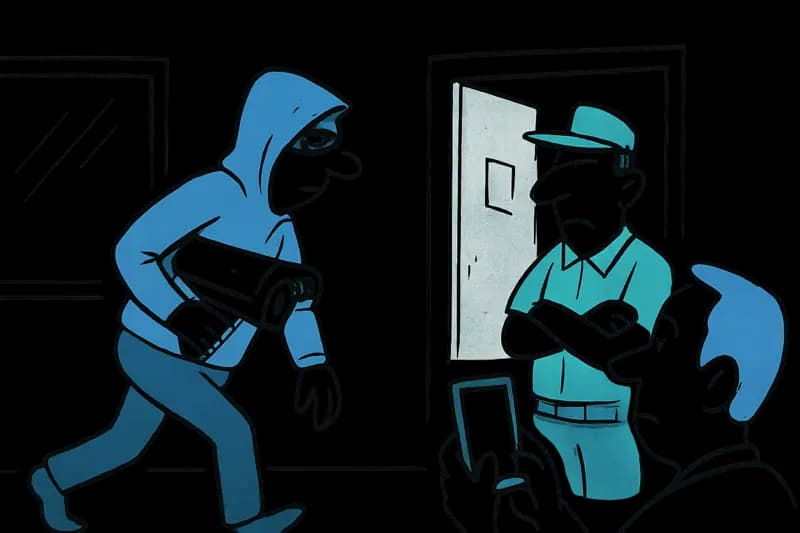
Thief takes salon security — and even steals the camera
In Palma a man stole the tip jar and the surveillance camera from a massage salon. A neighbor filmed the act and handed ...
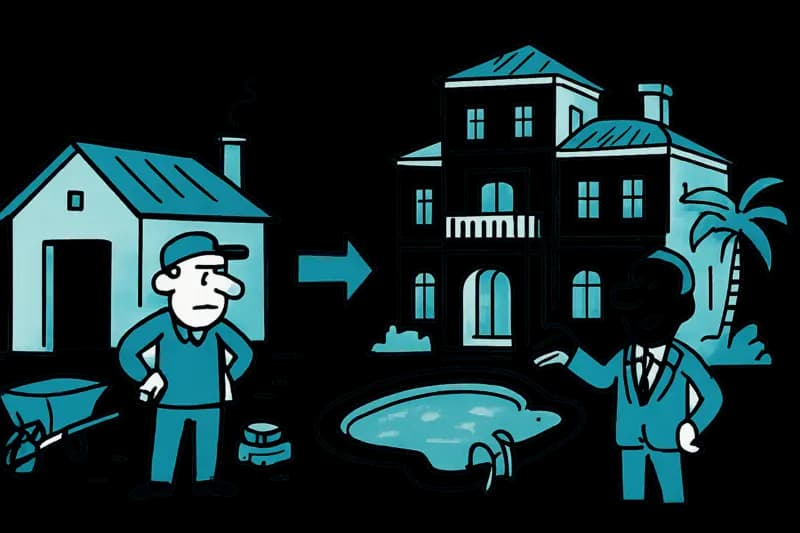
From Workshop to Luxury Villa: What a €19.5 Million House Reveals About Palma's Market
A historic town house on Carrer de la Pelleteria was converted into a 1,000-sq m residence and is on the market for €19....
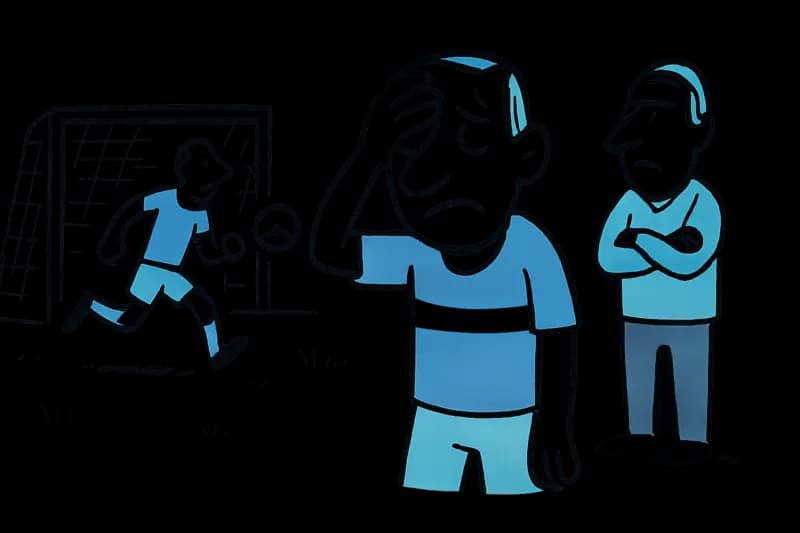
FC Germania Mallorca: Why does the lead always slip away in stoppage time?
After the 1-2 at C.A. Pal ne da Tesa questions arise: are these coincidences, a shortage of personnel, or a deeper probl...
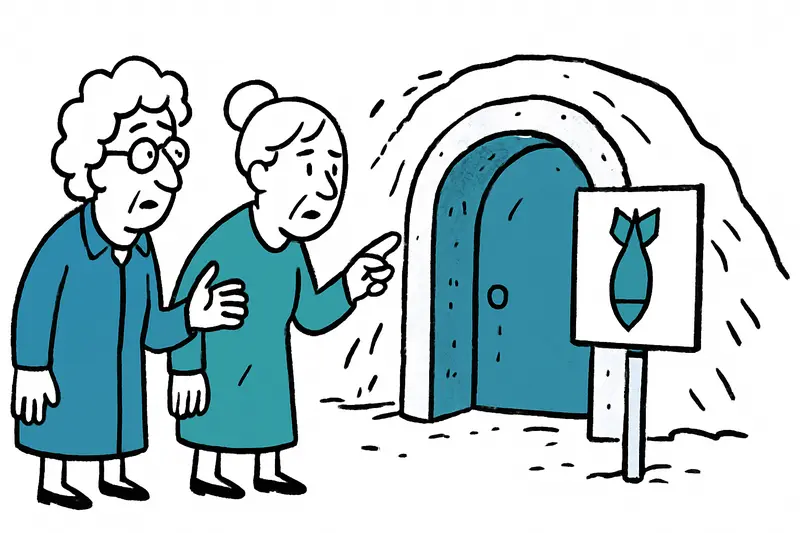
Hidden War Bunkers in Palma: Remember, Preserve, Reveal?
Beneath Palma's paving lie remnants of a forgotten shelter system from the Civil War. Consolidation, ethics and tourism ...
Death in the Gorge: Key Questions on the Safety of Rallies on the Ma-10
A Porsche plunged into a ravine during the 550 Challenge near Mortitx. Who bears responsibility, what safety gaps were r...
More to explore
Discover more interesting content

Can Cap de Bou

Townhouse Lleo 72
