
Vouchers in the Balearic Islands: Blessing for the Market - or Just a Flash in the Pan?
The Bonos de Producto Local revive weekend markets and shops – but many microbusinesses face hidden costs and liquidity risks. A look at the side effects and concrete proposals to turn the weekend boost into a sustainable support.
Vouchers in the Balearic Islands: Blessing for the Market - or Just a Flash in the Pan?
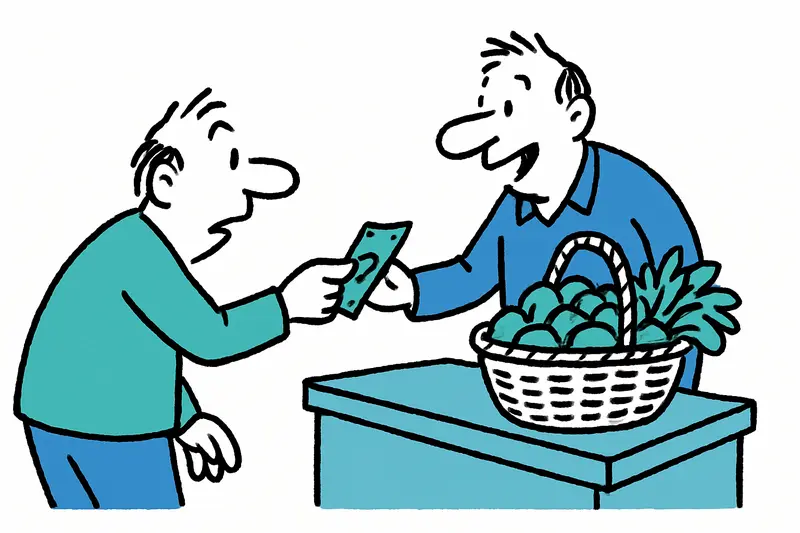
On an early Saturday, when the Plaça still smells of freshly baked pa amb oli and the wind from the bay brings gulls, the neighbourhood queues form: pensioners in sun hats, students with ink stains in their notebooks, families with shopping baskets. The reason? The new Bonos de Producto Local (local product vouchers): pay 10 euros, get 20 euros of goods, as described in a report on the Bonos de Producto Local in the Balearic Islands. Tempting. The key question that is rarely asked aloud is: Is this really sustainable for traders and the municipality—or just a short-lived economic fireworks display?
How does it work on the ground?
The vouchers are available at participating shops upon presentation of ID or NIE, up to six per person, as outlined in a report on the Calvià discount campaign issuing 25,000 vouchers. In Palma, Sóller and Inca the queues are visible, the murmur of voices mixes with the clinking of bottles and the calls of market vendors. For buyers the math is simple; for many shop owners it is more complicated: goods are sold effectively at half price, the shop submits receipts and hopes for reimbursement from the administration. This is exactly where the balancing act begins.
The hidden costs
The fling-open of the weekly doors has two faces. Visible are full bags and smiling faces. Often invisible is the extra effort: staff must be trained, registrations checked, payments split. In small bakeries or with winemakers without their own cash register system this ties up time that is then missing for customers. Reimbursement from the municipal coffers can take days or weeks — a huge burden for businesses with tight pre- or post-season liquidity. Some winemakers also report packaging problems: a 20-euro voucher fits more easily around a wine bottle than around loose sprouts or fresh herbs.
Who benefits the most?
At first glance everyone seems to benefit. In reality the cake is unevenly distributed. Winners are often the highly visible, centrally located vendors: a shop on the pedestrian zone, an established market stall, a café with regular customers. The small family bakery in a side street that advertises less is often left out. There are also creative workarounds: vouchers are collected in groups, redeemed centrally or distributed through third parties — the NIE check is not foolproof.
Three points that are overlooked
The catchy number (pay 10, get 20) obscures three critical aspects: first, the delay and capital lock-up during reimbursement; second, the competitive distortion in favor of visible vendors; third, the question of long-term financing. If such programmes become an annual habit, who will bear the costs in the long run? This question sits alongside other regional funding efforts such as a news item on a €7.4 million investment in island industry. And how do you prevent prices or business models from adjusting to the subsidies?
Concrete, practical proposals
From market observation and conversations with traders, pragmatic improvements emerge that could make the initiative more viable:
- Faster reimbursement: A digital processing system instead of paper procedures would secure liquidity. Payments within a few working days instead of weeks.
- Support for microbusinesses: Mobile administration teams that handle processing in villages and offer simple training — lowering the barrier for artisanal businesses without bureaucratic experience.
- Differentiation and transparency: Different voucher amounts for perishable goods versus durable goods, and the publication of an anonymised participant list with aggregated sales figures to assess impact.
- Target quotas for remote businesses: Special allocations or discounts for vendors in peripheral locations so that the same market stalls do not always capture most of the demand.
- Alternative support instruments: In addition to vouchers, temporarily reduced fees, microloans or marketing grants could help, because they improve liquidity and visibility for longer.
Conclusion: An opportunity with side effects
The voucher campaign brings life to the squares on weekends: you hear children laughing, the clink of a wine bottle, vendors praising their goods. For many households it is a real added value. But to ensure that a pleasant Saturday shopping trip does not remain a short-lived flash in the pan, clever adjustments are needed: faster bureaucracy, targeted help for microbusinesses, transparent rules and quotas for outlying areas. Then the temporary boost can become a sustainable support for the island — without only those already in the spotlight benefiting.
If you head out tomorrow: don’t forget ID and patience – and give the baker across the way a smile. Sometimes that is worth more than any voucher.
Frequently asked questions
How do the local product vouchers in Mallorca work?
Who can use the vouchers in Mallorca, and is there a limit?
Are Mallorca’s local vouchers worth it for small shops?
What problems do voucher schemes create for traders in Mallorca?
Which businesses in Mallorca benefit most from the voucher campaign?
What should I bring when using vouchers at a market in Palma?
How are vouchers affecting shopping in Sóller and Inca?
Could Mallorca’s voucher scheme become a long-term support tool?
Similar News
Cafetería San Siro: A Meeting Place on Schinken Street Since 1966
In the middle of Schinken Street, Cafetería San Siro has been offering Mallorcan hospitality for more than six decades —...

From Ballermann to Prison: What the Verdict Against the Femina Operator Means for Palma
The Munich Regional Court convicted a German operator for subsidy fraud. What does the verdict mean for the Femina Club,...

Underpass Verge de Lluc: 19-year-old fights her way out of flooded car – a warning sign for Palma
A 19-year-old recently escaped swimming from her car after the Verge de Lluc underpass held up to one and a half meters ...

When the Floodgates Open Again: Why Palma's Floods Aren't a Coincidence
A sudden heavy downpour around 5 p.m. brought Palma to a standstill: flooded streets, full basements, panicked commuters...

Playa de Palma: Life-saving at Balneario 11 – Lifeguards Act Quickly
A German holidaymaker suffered cardiac arrest at Playa de Palma. Lifeguards resuscitated her on the beach; emergency ser...
More to explore
Discover more interesting content

Can Cap de Bou

Townhouse Lleo 72
