
Second Home at Risk: Actress Experienced Two Thefts in Mallorca — A Reality Check
Second Home at Risk: Actress Experienced Two Thefts in Mallorca — A Reality Check
A German second-home owner was the victim of two thefts in Palma. Our piece asks: How safe are residents and guests really — and what needs to change?
Second Home at Risk: Actress Experienced Two Thefts in Mallorca — A Reality Check
Guiding question: How safe can people feel who have a second home in Mallorca or are vacationing here, if distraction and quick thefts apparently seem to be increasing again?
What happened
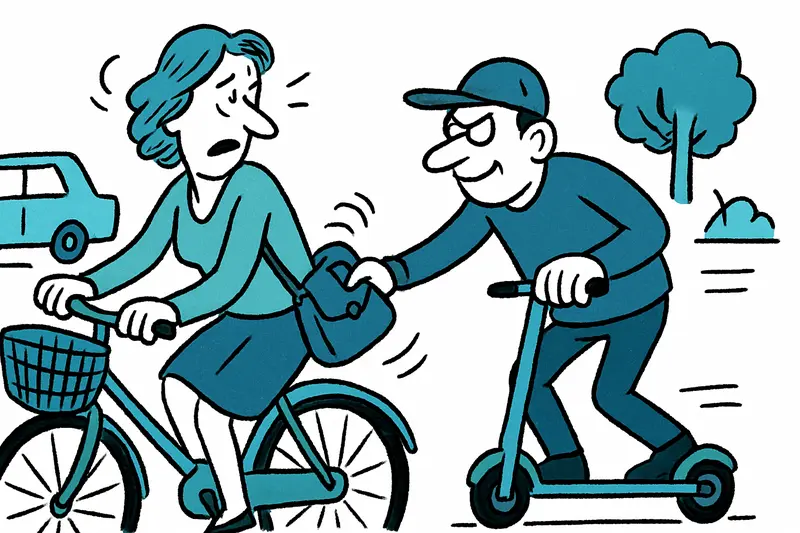
A 61-year-old German actress who owns a property on the island and regularly spends the winter months here reported being robbed twice within a short period. First incident: In a parking lot in Palma she was distracted by a person who appeared to be helpful – shortly afterwards her handbag, documents and cash were missing. Second incident: During a bike ride her bag was ripped from the basket while she was riding, apparently by people on e-scooters. Damage and follow-up costs are estimated at around €4,000. The woman reported the crimes to the police and describes the experiences as a strong psychological burden.
Critical analysis
These accounts follow a pattern we have heard more often in recent years: distraction schemes in parking lots or shopping streets and targeted thefts using fast vehicles like e-scooters; other local reporting documents similar incidents such as a watch theft in Palma's old town. Such offenses are often not isolated acts by lone perpetrators but part of small, division-of-labor groups that deliberately exploit places with high foot traffic and low attention. For people who set up a second home in Mallorca, this is a setback: the island should be a retreat and a place of calm, not a terrain where one constantly has to protect bags and documents.
What's missing in the public discourse
There is much talk about overall numbers and tourist impacts, but few conversations focus on practical victim support and prevention for second-home owners and older female tourists. Also scarcely available: clear, easily accessible information in German about the procedure after theft of documents or how to quickly obtain replacement papers. Often one only hears general advice, but not concrete, locally adapted measures for typical hotspots – Passeig Mallorca, old town alleys and popular seafront promenades. Local coverage has also highlighted individual cases, for example a German couple robbed in southwest Mallorca, which underline the need for better support.
An everyday scene
Imagine Passeig Mallorca on a hot morning: car windows open, the rattling of scooters mixing with the ringing of a bicycle bell, street vendors calling out, and guests sitting in the sidewalk cafés wearing light summer jackets. Exactly in such moments a routine distraction – a supposedly helpful hint about a puddle or a loudly placed object – is enough to take someone's attention away for seconds. Perpetrators use those seconds. Regular visitors feel this little nervousness: they look over their shoulder more often, hold their bag closer to their body, avoid looking at their phone while walking in the street.
Concrete solutions
1. Visible police presence in known hotspots: not just patrol cars, but foot patrols in the early evening hours and on weekends can be a deterrent. 2. Information campaigns in German and English directly at parking lots, ferry terminals and tourist centers: short tips on how to store documents safely and phone numbers for immediate assistance. 3. Cooperation with landlords and hotels and restaurants: checklists for guests, secure storage options in properties, and information on how to quickly replace documents in case of loss. 4. Infrastructure measures: secure bicycle baskets, well-lit parking areas, fixed parking zones for e-scooters instead of randomly parked vehicles. 5. Expand victim services: faster, multilingual support when filing reports, a central hotline and standardized procedures for recovering documents (also in cooperation with consulates).
What authorities and society should do
Crime cannot be fought by appeals alone. Better data collection on crime patterns is needed, transparent communication about danger spots and close cooperation between police, municipalities and tourism stakeholders. At the same time, public spaces must be designed so that offenders have fewer easy opportunities: more lighting, fewer unattended parking zones, fixed parking areas for rental scooters. For residents this also means standing together: neighborhood groups, local messaging networks and neighborhood patrols are simple, effective tools.
Conclusion
The case of the actress is not a one-off but a signal: Mallorca remains beautiful, loud and lively – but those who live here or stay longer must be able to protect themselves. The island now needs practical help for victims, more prevention at places people use daily, and better, multilingual communication. Only then can the balance between open living and personal safety be restored.
Frequently asked questions
What is Mallorca's climate like and when is the best time to visit?
Can you swim in Mallorca year-round?
What should I pack for a Mallorca trip?
What activities are ideal on Mallorca?
What makes Palma de Mallorca worth visiting?
Why visit Sóller and the coastal tram?
What can you see in Alcúdia?
Is Cala d'Or good for families?
Similar News
When the Wallet Becomes a Danger: Attack in Peguera and Lessons for Mallorca
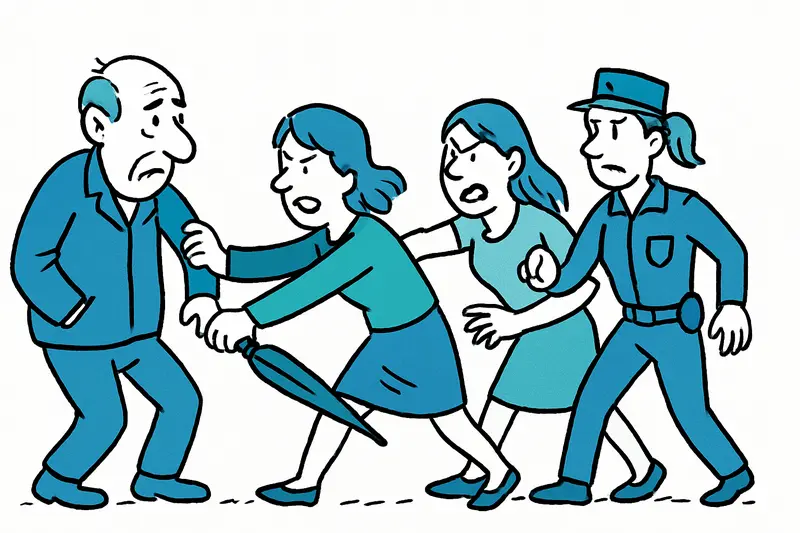
In Peguera, two women are said to have stolen the wallet from a 75-year-old German couple. When the victim intervened, t...
Plata stays Plata: Young people take over, Llonguets remain
A small bar on Carrer de l'Argenteria will continue: Tolo Serra hands the place over to young Mallorcans at the end of t...
Unnoticed in the Luggage Compartment: How a Boy Traveled More Than 100 Kilometers in a Team Bus
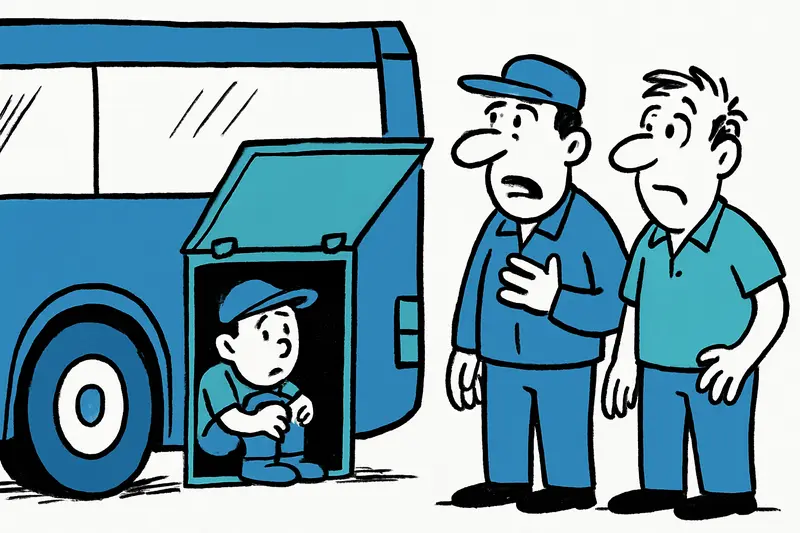
A minor traveled in the undercarriage of a team bus for more than 100 kilometers until his cries for help were heard. A ...

Cap Vermell Grand: Second Michelin Key – a Gift for the East
The Cap Vermell Grand in Capdepera has been awarded its second Michelin key. For the region this elevates the luxury off...
Eurowings lets four aircraft carry names – a friendly idea that also reaches Mallorca
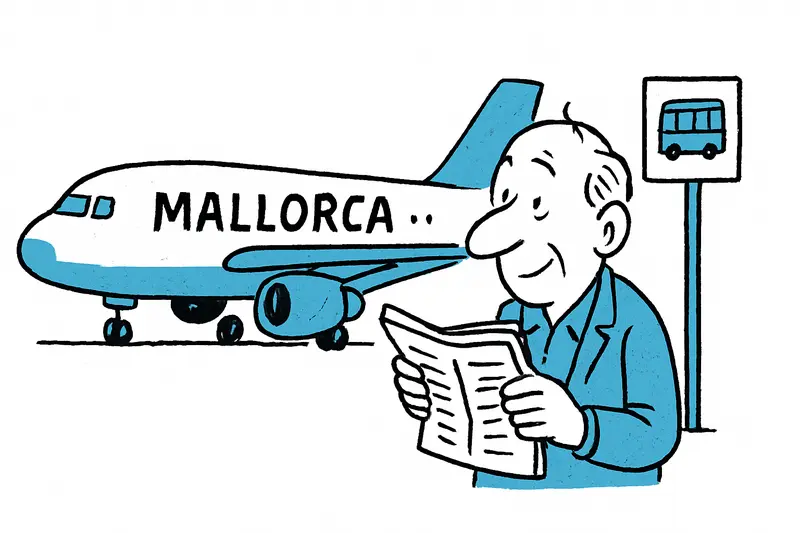
Eurowings is launching a campaign: four Airbus A320s are to carry the first names of people who help others in everyday ...
More to explore
Discover more interesting content

Can Cap de Bou

Townhouse Lleo 72
