
When the Wallet Becomes a Danger: Attack in Peguera and Lessons for Mallorca
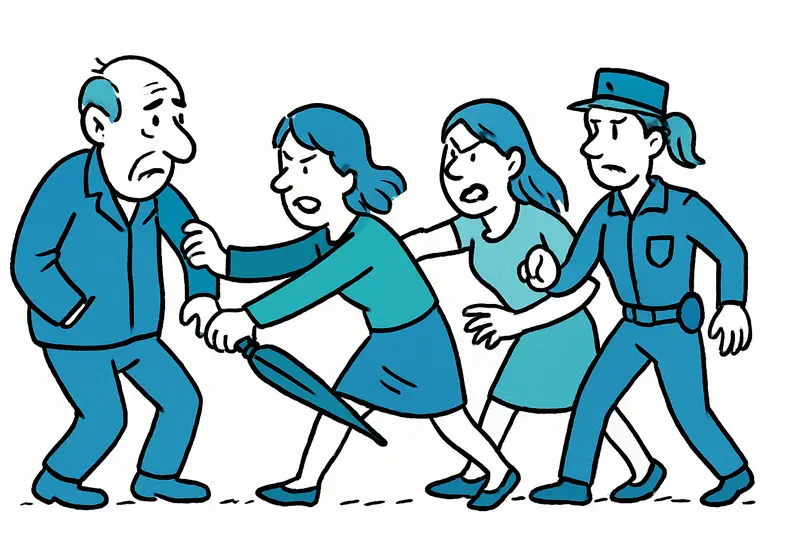
In Peguera, two women are said to have stolen the wallet from a 75-year-old German couple. When the victim intervened, the situation escalated: blows were struck and an umbrella was used. Why such cases recur — and what would need to change on Mallorca.
When the Wallet Becomes a Danger: Attack in Peguera and Lessons for Mallorca
Leading question: Why are pickpocketings increasingly ending in violence here — and what's missing in prevention?
On the afternoon of September 18, in the middle of Peguera, an attempted theft developed into a scene you don't expect on a holiday promenade: Two women from Eastern Europe are said to have pulled a wallet from the back pocket of a 75-year-old German holidaymaker. When the man noticed and confronted the perpetrators, the conflict escalated. According to the Guardia Civil, the couple and the two alleged perpetrators became involved in a physical altercation. The attackers are said to have struck the couple with hands and an umbrella; both victims suffered minor cuts and scratches.
A Guardia Civil patrol officer on duty at the Servicio de Atención al Turista Extranjero (SATE) witnessed the incident and intervened. The two women were arrested; according to the police, one of them has a history of numerous similar arrests — apparently part of a known pattern in the island's holiday centres.
In short: this was not an abstract statistic entry, but an incident on the street, in front of cafés and beach paths, with people sipping coffee or getting off the bus. You hear the clink of cups, the engine noise of taxis, and then in the middle of it a quarrel, panic, the Guardia Civil uniform appearing. Such images stick and change the sense of safety — especially for older guests.
Critical analysis: The act itself is clearly classified — attempted theft followed by bodily injury, arrest and handover to the judiciary. Harder is the bigger question: Why do perpetrators increasingly resort to violence when caught? And why does it strikingly often affect older holidaymakers? Common explanations come down to two points: first, offender groups target easy prey and people with reduced situational awareness; second, the occasional overcrowding of tourist hotspots acts as a favourable breeding ground for organised gangs.
What is missing from the public debate: There is a lot of reporting on individual cases, but too little on which structural gaps foster this environment. Transparent figures on the development of pickpocketing in specific locations are lacking, information about cooperation between authorities at regional and international levels, and clearly communicated prevention strategies for hotels, landlords and tourists. Also too little discussed is how socioeconomic measures in the perpetrators' regions of origin could reduce crime in the long term.
Everyday scene from Mallorca: A retired couple sits on the plaza of Peguera, the afternoon sun still warm. The husband puts his hands in his jacket pockets to look for his glasses; a waitress shouts ¡café! — and suddenly there's that unease. Moments like these show how quickly routine can turn into risk.
Concrete solutions:
For police and municipalities: targeted presence at hotspots, visible SATE contact points, more plainclothes patrols during peak times, better statistical recording and publication of offences by location and modus operandi.
For the tourism sector: information sheets and short briefings at check-in, multilingual signs on promenades and parking areas, training for staff so that suspicious activity is spotted earlier.
For visitors: carry valuables on the body, avoid back pockets, keep wallets in secure bags or money belts. In case of an attack, shout loudly for help and call the emergency number 112; the Guardia Civil is present in tourist locations and SATE is often the first point of contact.
For politicians: networking with international law enforcement, tough prosecution of organised structures, and at the same time prevention projects in the perpetrators' home regions — both are needed.
Pointed conclusion: The arrests in Peguera were right and important, but they are not enough. As long as theft is treated as a minor matter and prevention is only organised sporadically, the island remains vulnerable to such attacks — with special danger for those who least expect it. Those who live in or come to Mallorca have a right to safety; that requires more than isolated operations: clear figures, reliable prevention and joint action by authorities, the hotel industry and guests.
Frequently asked questions
What happened in Peguera and what does it mean for safety in Mallorca?
Why are pickpocketings in Mallorca sometimes turning violent?
What can hotels and the tourism sector do to reduce theft in Mallorca?
How can visitors protect valuables while exploring Mallorca's promenades?
What role do authorities and international cooperation play in Mallorca's crime prevention?
If I witness a theft or am a victim in Mallorca, what should I do?
Does the incident imply a specific risk for older visitors in Mallorca?
What’s missing from the public debate about theft in Mallorca?
Similar News
Plata stays Plata: Young people take over, Llonguets remain
A small bar on Carrer de l'Argenteria will continue: Tolo Serra hands the place over to young Mallorcans at the end of t...
Unnoticed in the Luggage Compartment: How a Boy Traveled More Than 100 Kilometers in a Team Bus
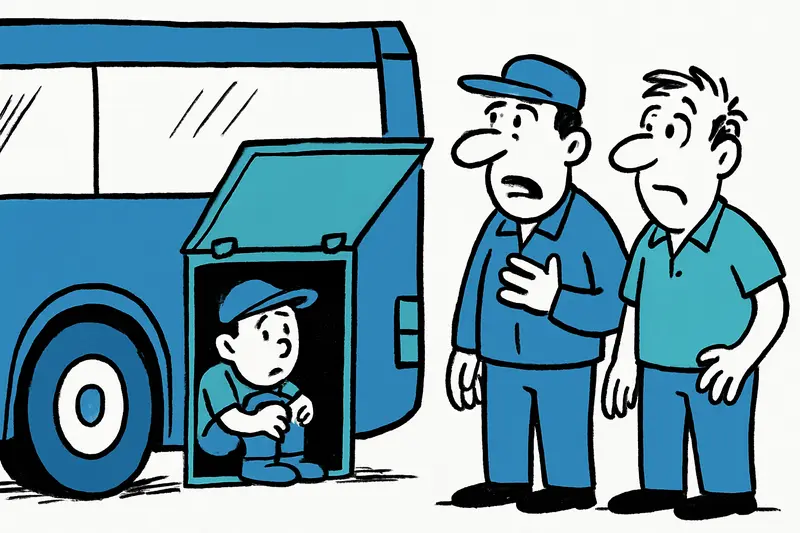
A minor traveled in the undercarriage of a team bus for more than 100 kilometers until his cries for help were heard. A ...

Cap Vermell Grand: Second Michelin Key – a Gift for the East
The Cap Vermell Grand in Capdepera has been awarded its second Michelin key. For the region this elevates the luxury off...
Eurowings lets four aircraft carry names – a friendly idea that also reaches Mallorca
Eurowings is launching a campaign: four Airbus A320s are to carry the first names of people who help others in everyday ...
From the Reality Studio to the Pitch: Aleks Petrovic Makes Mallorca His Base
The former participant in numerous TV shows moves from Dubai to the island and launches a project with FC Germania Mallo...
More to explore
Discover more interesting content

Can Cap de Bou

Townhouse Lleo 72
