
After beating attack: an expat dies in Mallorca after a year in a coma
After beating attack: an expat dies in Mallorca after a year in a coma
A German expat has been in a coma since November 2024 after an assault. He has now died. My analysis: What is missing in dealing with youth crime on the island?
After beating attack: an expat dies in Mallorca after a year in a coma
Leading question: Why does a brutal attack in the open street, involving minors, end fatally for the victim — and what is missing in the response from society, the judiciary and prevention?
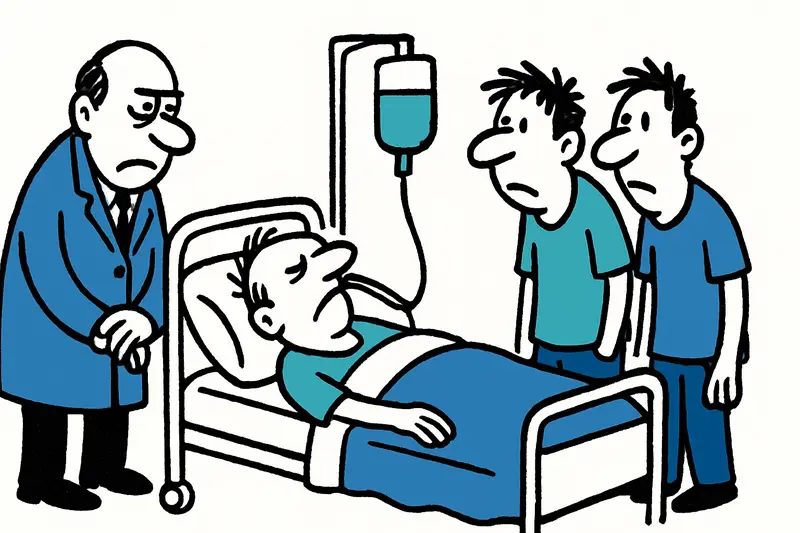
On Saturday, January 3, a German man who had remained in a coma since the night-time assault in November 2024 died in Palma de Mallorca. Friends and relatives had been asking for support for weeks on the fundraising page wir-helfen-ronald.de; they now reported that the 58-year-old succumbed to his injuries. He worked on the island as a project manager in a call center and came from northern Germany. The suspects: two 17-year-olds who, according to investigators, struck out of curiosity and the desire to impress supposed girls; the authorities classify it as a robbery, and the youths were placed in juvenile detention facilities.
These facts are stark and concise. But the question remains: Why does something like this escalate one night in a city many of us consider familiar? On the streets of Palma, when cafés put up their chairs and taxis still make their rounds, things happen that cannot be captured by police statistics alone. I stood myself on the Passeig Marítim on a cool evening and heard the tapping of shoes, the clack of roller suitcases, the quiet laughter from a bar — and thought about the vulnerability of people who are out at night.
Critical analysis: The case reveals three levels of failure. First: prevention. Young people with violent tendencies still too often go without early, effective intervention. Social projects, mandatory leisure programs and low-threshold counseling centers do not reach all those who need them. This gap echoes reports such as the Arrest in Cala Bona: How Could This Go On for So Long?.
Second: presence and protection in public spaces. Police presence alone is no cure-all, but more visible patrols and better lighting, combined with local sponsorships from neighborhood organizations, reduce high-risk areas. Third: victim support. A person has been in intensive care for months; relatives need clear information, psychosocial help and financial safeguards — here the community often steps in instead of structured state assistance.
What is often missing in public discourse is root-cause analysis: youth willingness to engage in violence rarely arises out of nowhere. School dropouts, lack of prospects, family burdens, addiction or normalization of aggression interact. The quick outrage over individual cases leads to loud calls for punishment — understandable — but without systemic answers the acts remain repeatable. Equally largely untouched is the aspect of long-term care for victims. Intensive medical care is costly, bureaucratic processes are slow, and public campaigns do not replace continuous support. This issue appears also in Shock in Costitx: Knife Attack on Ex-Partner — What Fails in the Protection System.
A daily scene from Palma: in front of the town hall, the Plaça Cort, an older lady sits on a bench feeding pigeons while young people rush by. A policeman arrives, greets, asks briefly. Such small encounters are the pulse of the city. If they are missing or remain superficial, the distance between generations grows — and with it the danger that young people in groups test their limits without consequences and without reflection.
Concrete solutions, not platitudes: 1) Expand low-threshold youth centers with mandatory day structures that provide tangible prospects (career orientation, mentoring). 2) Preventive programs in schools that address violence as a social problem, not just a criminal one. 3) Better coordination between police, youth welfare offices and family courts: fast, transparent measures that consider both protection and rehabilitation, as underlined after the After Knife Attack Near Costitx: How Secure Are Protective Orders in Mallorca?. 4) Local emergency funds and a simplified procedure for pain-and-suffering compensation and support payments for victims' families, so that everyday life does not have to be saved solely by private donations. 5) Public relations work aimed at de-escalation: campaigns that promote social recognition among young people without violence.
More police can help in the short term, but only a mixture of prevention, social work and targeted repression prevents night scenes from turning into tragedies in the long run. The imprisonment of the youths in juvenile institutions may be legally justified; it only makes sense, however, if serious educational and therapeutic offers are provided there — otherwise the cycle of repetition is preprogrammed; see the Palmanova verdict: Two years in prison — and what Mallorca must learn now for a recent case that raises similar questions.
Concise conclusion: The death of the 58-year-old is not an isolated event but a symptom. Palma is an island with close social networks — that is a strength that must be nurtured. We need less rhetoric of outrage and more everyday work: concrete offers for young people, visible solidarity with victims, and a justice system that acts faster and more effectively. Otherwise there is a risk that the next case will surprise us again, even though every trace pointed to it.
What matters now: respect for the deceased, support for the bereaved and an honest debate about how, as a society, we can prevent people from no longer being safe on their way home at night.
Frequently asked questions
What happened to the German expat who was attacked in Palma de Mallorca?
How safe is it to walk around Palma at night?
Why do violent attacks involving teenagers happen in Mallorca?
What support is available for victims of violent crime in Mallorca?
What can Mallorca do to prevent street violence among young people?
What does juvenile detention mean for teenagers charged with violent crimes in Mallorca?
Why is lighting and police presence important in Palma's public spaces?
How can families in Mallorca cope after a serious assault?
Similar News

Are the Balearic Islands the Southern Border of Europe? A Reality Check on Immigration
The Balearic Islands are again calling for EU aid after a sharp rise in arrivals by sea. Conflicting priorities between ...

"Expensive chaos" and many open questions: What clients can do when a lawyer suddenly stops responding
Several clients complain that a well-known German lawyer in Mallorca has been unreachable for months. Key question: What...

TV tip: 'The Last Problem' — Mallorca as the setting of a classic crime
A classic whodunit on Mallorca: A new miniseries set in spring 1959 brings storm, an isolated hotel and a dense web of s...
Nipping Sea Creatures: Why Bathers in Cala Major and Elsewhere Should Be Cautious
In Cala Major, bathers have reported being nipped by small fish. What is behind it, how can problems be avoided — and wh...
Forced eviction in Santa Catalina: When a 65-year-old slept in her car and showered on the beach — a question of responsibility
The story of Pilar López from Santa Catalina represents a problem affecting many Mallorcans: How can an island with a bo...
More to explore
Discover more interesting content

Can Cap de Bou

Townhouse Lleo 72
