
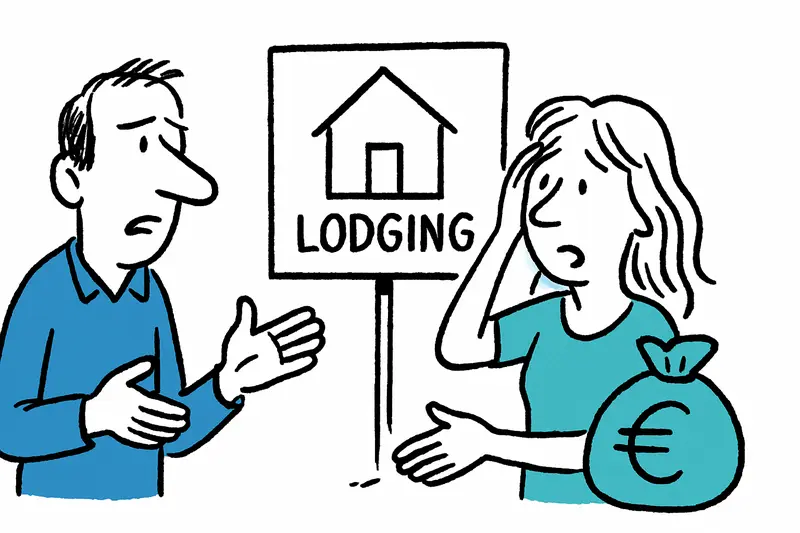
Airbnb and the €64 Million Decision: What the Fine Means for Mallorca
Airbnb and the €64 Million Decision: What the Fine Means for Mallorca
The consumer ministry has fined Airbnb €64 million. On the Balearic Islands 4,305 listings were classified as illegal. A reality check: what the number really says and what now needs to happen on the ground.
Airbnb and the €64 Million Decision: What the Fine Means for Mallorca
Key question: Is a fine enough to stop illegal holiday rentals in Mallorca?
The Spanish consumer protection ministry has imposed a €64 million fine on Airbnb; the decision is final and Airbnb's appeal was rejected. In total, 65,122 listings were challenged in Spain, and 4,305 listings were identified on the Balearic Islands — of those, 4,289 lacked a registration number and 16 showed an incorrect number. Airbnb must remove the contested listings and publish the penalty, and Airbnb will remove listings without a registration number. The figures are clear. The question is: what will change for Mallorca in everyday life?
Critical analysis: The sanction hits the platform financially, but does not automatically solve the problem at its root. A fine makes it clear that authorities can act; however, it targets the platform, not necessarily the owners who rent out apartments illegally. On Mallorca the consequences of mass short‑term rentals can be seen every morning on the way to the café at Plaça Major: suitcases fill shop windows, vacant rental flats stand with curtains drawn, while young families hunt for affordable housing in side streets. This is no longer an abstract conflict — it is audible, visible, even tangible — between the cathedral's chimes and the rattling of delivery scooters.
What is often missing in public debate is transparency about how listings are checked and how quickly violations are actually removed. The ministry's numbers show how many listings were challenged — they do not say how many were actually inspected by local authorities, how many cases were forwarded to landlords, or how many fines were imposed on the actual operators. Nor does the debate include practical solutions for small hosts who want to register correctly but are deterred by bureaucracy and costs.
A typical Mallorca scene: on a windy Monday morning in Cala Major an elderly woman pushes her shopping cart along the sea. Next to her two hoteliers discuss upcoming guest numbers, while a tradesman loads his ladder onto his bike path. Such moments show the island is not a black‑and‑white issue: family businesses stand next to professional portfolios with dozens of listings — and not all of them are legal.
Concrete solutions that would make sense now: 1) Mandatory plausibility checks by platforms: registration numbers must be validated automatically, not merely collected as a text field, as Madrid requires booking platforms to delete unregistered holiday apartments now mandates. 2) Data exchange between platforms and municipalities: a secure, privacy‑compliant interface so local administrations can verify listings faster. 3) Targeted sanctions: fines should be imposed directly on commercial operators rather than solely on the platform, coupled with a rapid takedown requirement. 4) Support for legitimate small hosts: simple online portals from island councils that consolidate registration, tax questions and requirements in plain language. 5) Public transparency: an open dashboard with figures on contested listings, processed cases and follow‑up inspections — this builds trust and pressure to comply.
Technically more is possible: platforms could require mandatory photo evidence with protected geotags, demand matching registration numbers and implement a verification process. Municipalities, in turn, need to increase staff to check data and carry out on‑site inspections. Anyone walking through the streets of Palma in the morning notices immediately: without local enforcement the fine remains just another number in a long pile of paperwork.
What should happen now: authorities must monitor the removal of contested listings and document their actions, noting Airbnb plans to remove thousands of listings without a valid VUT number from Mallorca. Municipalities and the regional government should agree on how violations will be sanctioned, balancing the protection of housing with the livelihoods of small hosts. Residents and local businesses need reliable rules so that the city center is not made up only of holiday flats.
Conclusion: The €64 million fine increases pressure. It is a clear signal, but not a cure‑all. Without consistent implementation of verification mechanisms, targeted sanctions against commercial providers and practical support for legal hosts, much will remain the same. On Mallorca, between market scents and construction noise, the issue ultimately comes down to housing, neighbourhoods and restoring a balance between tourism and everyday life.
Frequently asked questions
What does the Airbnb fine mean for holiday rentals in Mallorca?
Will Airbnb remove illegal listings in Mallorca?
Why is illegal holiday rental enforcement such a problem in Mallorca?
How do holiday rentals affect housing in Palma and other parts of Mallorca?
How can I tell if a holiday rental in Mallorca is legal?
What should legal holiday rental owners in Mallorca do now?
Could tighter Airbnb rules help Mallorca residents find more housing?
What changes could make holiday rental control work better in Mallorca?
Similar News
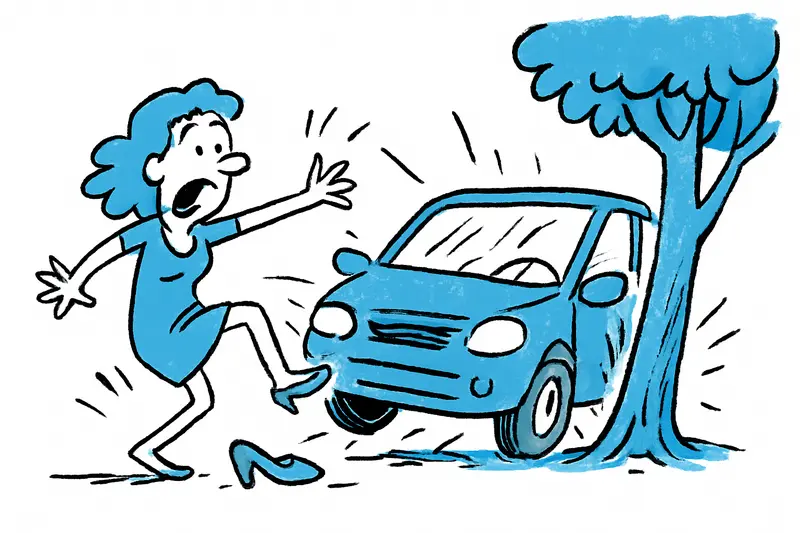
High heel slips, car accelerates: accident on Camí de Son Hugo
A woman lost a high-heeled shoe on the forecourt of the sports facility at Camí de Son Hugo. The car accelerated, mounte...
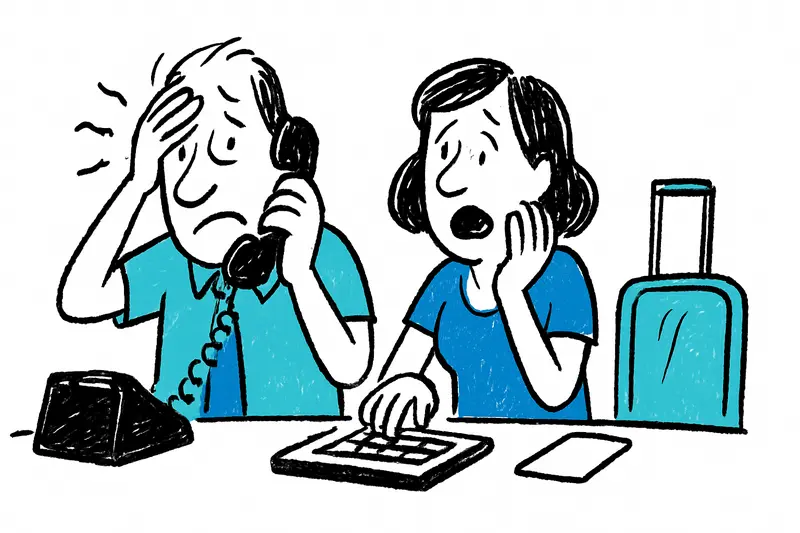
Phone Scam: How Two Hotel Employees at Playa de Palma Lost Thousands of Euros
One morning in September, two reception employees at Playa de Palma were pressured by alleged alarm-company staff — in t...

When the Wallet Becomes a Danger: Attack in Peguera and Lessons for Mallorca
In Peguera, two women are said to have stolen the wallet from a 75-year-old German couple. When the victim intervened, t...
Plata stays Plata: Young people take over, Llonguets remain
A small bar on Carrer de l'Argenteria will continue: Tolo Serra hands the place over to young Mallorcans at the end of t...

Unnoticed in the Luggage Compartment: How a Boy Traveled More Than 100 Kilometers in a Team Bus
A minor traveled in the undercarriage of a team bus for more than 100 kilometers until his cries for help were heard. A ...
More to explore
Discover more interesting content

Can Cap de Bou

Townhouse Lleo 72
