
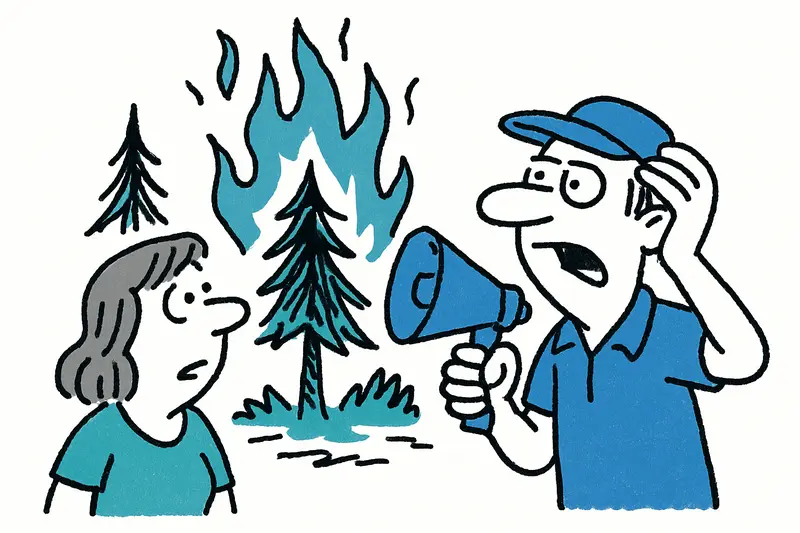
Alarm Level 4 in the Balearic Islands: Why Every Spark Counts Now
The Balearic Islands have raised the wildfire warning to Level 4. Heat, drought and densely packed pines make the islands vulnerable. What you should do now — and which gaps in preparedness still remain.
Alarm Level 4: Balearic Islands warn of extreme wildfire risk
The sun broods over Palma, heat shimmers on the avenue and cicadas chirp on repeat: the Balearic Islands have today raised the wildfire warning to Alerta 4 in the Balearic Islands, the highest alert, and Mallorca declares a maximum wildfire alert. With locally forecast temperatures around 41 °C, dry air in the valleys and sporadic gusts in the mountains, the fire risk is significantly increased.
Key question: How do we prevent a single spark from endangering the islands?
It only takes a tiny trigger — a spark from a hot exhaust, a discarded cigarette at a trailhead parking area, a barbecue that gets out of control. The central question is therefore: how can residents, visitors and authorities together take sufficient precautions before it’s too late? This is not purely a technical question, but also a social and organizational one.
Why the situation is more serious than it sounds
Besides the obvious heat, several factors combine: months of drought have filled the undergrowth with a combustible needle layer, many old agricultural areas have become overgrown because farmers are missing, and tourist activities bring people into sensitive zones. The Serra de Tramuntana, the pine forests near Alcúdia or the rocky slopes at Sa Calobra are particularly vulnerable — the sounds of helicopters and sirens are now part of everyday life.
What is often overlooked
Small everyday sins add up: holiday homes with overgrown access roads, cars parked on dry grass with hot catalytic converters, a lack of informational material for tourists in multiple languages. Less visible but decisive: the logistical limits of firefighting teams. On an island, firefighting helicopters and fire brigades are limited; rapid evacuation is made difficult by narrow country roads and blocked access points.
Concrete, immediately implementable measures
Everyone can help. Check access to houses, keep escape routes clear, do not park on dry grass and report suspicious smoke by calling 112. Inform holiday guests personally about the rules, secure bins, remove flammable material around the house. Agricultural burnings must be banned now — penalties are high, and for good reason.
Measures authorities and municipalities should tackle now
More than sirens, organizational changes are needed: temporary parking bans at sensitive points, increased presence of the Guardia Civil and forest brigades, additional water points or extinguishing stations along endangered corridors. In the long term, firebreaks help, as does regular maintenance of former fields and the expansion of early warning systems with sensors or drone reconnaissance — coordinated, of course, so that drones do not hinder extinguishing aircraft.
Tourism and neighborhood: small rules with big impact
Hotels, landlords and booking platforms should make fire safety rules mandatory at check‑in. A short notice in several languages, a map of vulnerable areas and clear times for questions can prevent many problems. Neighbors can organize — small volunteer groups that keep access routes clear and report suspicious situations are invaluable.
What to do in an emergency
Act immediately and calmly: report smoke or flames to 112, do not clean or move hot ashes, and if evacuation orders are given, follow the instructions of the emergency services. Pack extra water, documents and a small emergency kit — it sounds trivial, but it can save lives in hectic moments.
A call for vigilance — without panic
The islands are fragile, and it is up to all of us to protect them. The smell of resin, the chirping of cicadas, the silence of a dry forest floor: all of this can quickly turn to smoke. A bit of consideration, clear rules for guests and thorough preparation by municipalities make a big difference. Pack an extra water bottle today, avoid the hottest midday hours for hikes and report anything suspicious. This is not pessimism — it is responsibility.
Quick tip: If you own a holiday home: keep access routes clear, mark them clearly and leave emergency contacts for your guests. Every minute counts.
Frequently asked questions
What should I do if I see smoke or a fire in Mallorca during wildfire alert level 4?
Is it safe to go hiking in Mallorca during extreme wildfire risk?
What should I avoid doing in Mallorca when wildfire risk is at the highest level?
How hot does Mallorca get during the current wildfire alert?
What should holiday home owners in Mallorca do to reduce wildfire risk?
Which areas in Mallorca are especially vulnerable to wildfires?
Can I barbecue in Mallorca during a wildfire warning?
How should tourists in Mallorca be informed about wildfire safety?
Similar News

Maribel: Five Decades of Service – Housekeeper from Peguera Celebrated with a Special Honor
Over 50 years in the hotel business: María Isabel “Maribel” Molinos was honored in Palma at the Nit del Turisme by Unive...
Orange Alert over Parts of Mallorca: Are We Prepared?
Dark clouds and an announced wet spell have triggered an Orange alert in parts of Mallorca. A reality check: what's miss...
Sundair & Co.: Sale speculation and what it could mean for Mallorca
Rumors about a possible sale of the airlines Sundair and Fly Air 41, which belong to Schauinsland-Reisen — and whether b...
Anne Wünsche in Mallorca: A job offer with a catch — who fits the role of personal assistant?
Influencer Anne Wünsche has left Berlin and is urgently looking for a full-time personal assistant in Mallorca. Why the ...
Daily from New York: Palma Between Boom and Strain
United will increase the Newark–Palma route to daily flights in 2027 using Boeing aircraft (231 seats). What does the in...
More to explore
Discover more interesting content

Can Cap de Bou

Townhouse Lleo 72
