
Aldi brings chemical-free mosquito lamp to the island – a small help against summer pests
Aldi brings chemical-free mosquito lamp to the island – a small help against summer pests
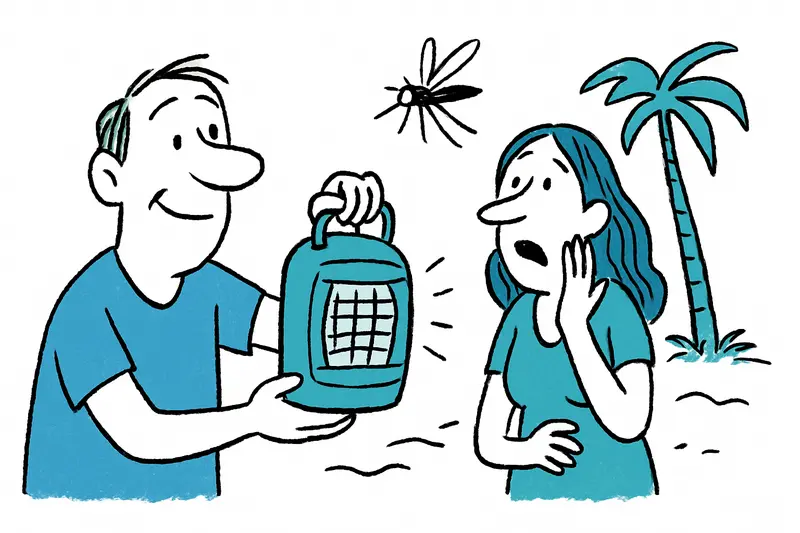
Since Saturday Aldi on Mallorca has been selling an electric insect trap for €13.99: UV light plus a fan catch mosquitoes and flies — without sprays or poison. A practical option for bedrooms, kitchens and balconies.
Aldi brings chemical-free mosquito lamp to the island – a small help against summer pests
This weekend many shoppers on Mallorca found something unexpected in their bags: for €13.99 Aldi on Mallorca: Expansion with Opportunities — and Open Questions added a small insect lamp to its range that lures insects with UV light and uses a built-in fan to pull them into a collection chamber. No chemicals, no pungent smell, just electricity and a soft hum.
Evening strollers in Santa Catalina hear the cicadas, smell the sea and know the ritual: after the sundowner the battle against the mosquitoes begins. The new lamp is designed to work indoors and on sheltered balconies. Two shapes — round and oval — are meant to serve the same purpose; both models cost the same and are intended for home use.
Technically the device is simply built: ultraviolet‑spectrum light attracts flying insects, a fan sucks them into a sealed chamber. The collection tray can be removed and cleaned. Because operation produces neither sparks nor spray, the lamp is particularly suitable for rooms with children and pets or for people who are sensitive to insecticides. Many buyers will appreciate the quiet operating noise — sleep is not greatly disturbed.
For everyday life on Mallorca this offer has a practical use. In the narrow old‑town apartments, on the covered terraces along the Passeig Mallorca or in kitchens where mosquitoes like to appear among fruit and herb pots, an odorless, reusable solution is welcome. It does not replace measures at the source — standing watering cans, plant saucers and small puddles should still be emptied — but it reduces the need for sprays and chemical agents in living spaces.
A few usage tips: the lamp works best in darker spots, not directly in bright sun. Keeping distance from heat sources helps; on open beach sections with a high insect load it reaches its limits. Regular emptying and occasional rinsing of the collection chamber is usually sufficient; disconnect the device before cleaning. This keeps the lamp hygienic and functional.
For environmentally conscious people the advantage is clear: no disposable spray cans full of active substances, no fragrances in the home. Power consumption is low and the purchase cost is manageable if the device is used over several summers. That makes the lamp a modest alternative for households that want less chemistry in everyday life.
On Palma's park benches, between the clamour of market traders in the early morning and the clink of iced coffee cups in the afternoon, you often see small solutions for big summer problems: a fan here, a mosquito net there and, recently, products such as New in Port Adriano: Stingblade Helps Against Jellyfish Stings – Practical and Sustainable. This lamp fits into that series — not a cure‑all, but a useful addition; similar compact appliances have also been appearing locally, like Lidl brings €9.99 heater to Mallorca – compact, digital and practical for everyday use, aimed at small apartments and holiday guests.
So if you have space at the checkout on your next Aldi run, you can take home a piece of peace against the flying summer guests for around €14. For families with small children, pet owners and anyone who appreciates an odor‑free home, it is a practical option. And for Mallorca's balmy nights: a small everyday relief that doesn't demand much attention.
Outlook
The lamp is an example of how everyday technology is received on the island: pragmatic, affordable and geared to household use. Those who try it should test the handling and adjust personal expectations about range and effectiveness. In many apartments it could help reduce the use of chemical insecticides — and that is good news in a summer where beach and city life coexist.
Frequently asked questions
When is the best time to visit Mallorca for beach days and outdoor activities?
Is the water warm enough for swimming in Mallorca throughout the year?
What should I pack for a Mallorca trip?
Are there family-friendly activities and sights to enjoy in Mallorca?
What transportation options are best for getting around Mallorca without a car?
Are there good hiking routes in Mallorca, especially in the Serra de Tramuntana?
What local dishes should I try in Mallorca?
Is it safe to swim at rocky coves or beaches around Mallorca?
Similar News
Can Malle hits really work in Hamburg? A reality check for the premiere of "ALLE LIEBEN MALLE"
Premiere at the Großmarkt: thousands of attendees, stars from the Megapark and long beer queues. Why the concept works —...

Adrien Brody strolls through Mercat de l'Olivar – celebrity visit leading to Sa Pobla
Actor Adrien Brody was casually spotted at the Mercat de l’Olivar: tapas, fish stalls and later a stop in Sa Pobla spark...
Who can pick up whom? The complicated life of Mallorca's taxis
Three years after the inter-municipal service, empty runs are rarer — but there is a lack of equal treatment, transparen...

When the Tap Only Runs Sometimes: Why Municipalities in the Balearic Islands Are Now Rationing Water
Deià, Valldemossa, Esporles, Sóller and several places on Menorca are scaling back water supply. Who is responsible, why...

Battle for the Ramp: Why Cala Gamba Needs More Than Enforcement
The Guardia Civil intervened in Cala Gamba — residents breathed a sigh of relief, but unease remains. Key question: Are ...
More to explore
Discover more interesting content

Boat Tour with BBQ along Es Trenc Beach

Private transfer from Mallorca Airport (PMI) to Pollensa
