

Arrest of 'El Indio' in Palma: A Step Forward with Many Questions
The Guardia Civil arrested an alleged drug boss in a large-scale raid. Investigative successes are visible — but Son Banya and the island face deeper problems.
Arrest of 'El Indio' in Palma: A Step Forward with Many Questions
When the streetlights still cast a dim glow over Palma and coffee cups steamed in the morning, the Guardia Civil launched a large-scale raid. In an industrial area north of the city, a man known on the island as "El Indio" was taken into custody. For investigators it is an important success — for many residents of Son Banya it feels like a jolting but uncertain moment.
The key question: Is one arrest enough to hit the system?
The operation was part of Operation Enroque Bal-Manso. Numerous premises were searched, documents and electronic evidence were seized. But the central question remains: Has the police taken out the head of a hierarchy — or will another face simply fill the temporary vacuum? A phrase often heard in local discussions is: "One eye is closed, two are still open." Reporting on the wider context of that action can be found in Major raid in Son Banya: Arrest of the alleged drug boss — and then?.
Far-reaching traces — but how stable is the investigative success?
Authorities see links to the mainland and abroad; the discovery of around 675 kilos of cocaine in Valencia in the summer points to a high-volume, professionally organized business. Suspicions of money laundering via accounts and shell companies also arise. Such signs show this is not just about street dealing but about financial networks that are persistent and often cross-border.
The good news: securing documents and digital traces gives investigators ways to dig deeper than the surface. The bad news: digital evidence is complex to analyze, requires international legal assistance and time. In a place where daily life moves quickly — the smell of the market, passing trucks, playing children — waiting can be hard.
What residents say — relief meets skepticism
In Son Banya the mood was divided. Some residents sighed with relief: "Finally, maybe it will be quieter," I heard over coffee on the corner. Others shook their heads resignedly: you cannot rely on police alone. Those who live in a neighborhood marked by poverty, marginalization and limited prospects understand the pull of illegal income.
The problem runs deeper: as long as there are few legal jobs, poor housing conditions and limited state presence, there is room for deception, shadow businesses and middlemen who quickly move in. The arrest changes the situation in the short term; in the long term more is needed.
Risks after the raid — power vacuum and displacement
An often underestimated effect is the short-term power vacuum that can lead to violent clashes or a shift of structures. Gangs often react with internal reorganization, which can temporarily worsen safety on the ground. There is also a risk that activities will simply be relocated to other neighborhoods or ports.
Concrete opportunities and approaches
So what to do after such a visible action? From the perspective of investigators and social actors there are several levers that must work together:
1. More intensive financial investigations: Targeted pursuit of assets, close cooperation with banks and EU authorities so that profits cannot simply be reinvested.
2. Protection for witnesses and informants: Only those who can testify without fear make investigations sustainable. Anonymous tip hotlines and secure witness protection measures are important.
3. Social services on site: Work, education and low-threshold projects in Son Banya reduce the incentives of the shadow economy. Mobile social offices, youth centers and job placement are small efforts with large effects.
4. Prevention and education: Raise awareness in schools and community centers about risks — not with moralizing lectures, but with real prospects and concrete alternatives.
5. International cooperation: Drug routes and money flows rarely stop at island borders. Closer coordination with authorities on the mainland and across Europe is crucial, as later operations and reporting show in New Raid in Mallorca: More Arrests — But Are the Roots of the Problem Untouched?.
The legal process — much still ahead in court
Arrests are only the beginning. Interrogations, file reviews and legal examinations take time. The judiciary must test evidence, prove involvement and hand down verdicts. For residents this means: calm can be deceptive — visible changes take time.
Conclusion: A step forward, but not a full stop
The arrest of "El Indio" was a message that sounded like a small thunderclap in the streets of Palma that morning: loud, briefly felt, then distant conversations again. It is a tactical victory for investigators, a signal to the scene — but no guarantee of lasting security. Those in Son Banya and elsewhere on Mallorca who want long-term change must combine police successes with targeted social and financial strategies. Only then will an excited morning turn into a lasting turnaround. For broader coverage and related developments see Major raid in Mallorca: Arrest of an alleged clan leader raises big questions.
Frequently asked questions
Why was a man known as 'El Indio' arrested in Palma?
What does the arrest in Palma mean for drug trafficking in Mallorca?
Can one arrest really stop a drug network in Mallorca?
Why do police raids in Mallorca often lead to more questions later?
What is Son Banya in Mallorca known for?
What happens after a major police raid in Palma?
Why is money laundering investigated together with drug trafficking in Mallorca?
Could arrests in Palma push criminal activity to other parts of Mallorca?
Similar News
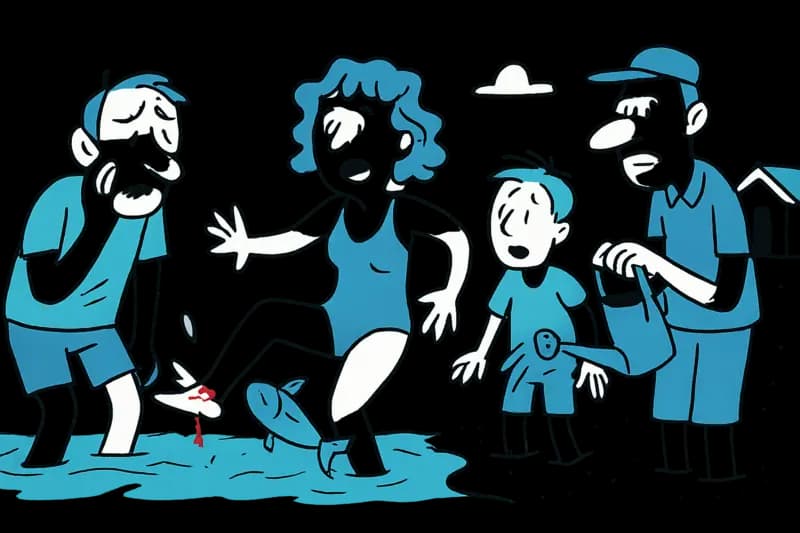
Why the Striped Breams in Cala Pí Should Be a Wake-up Call
Once again bathers in Cala Pí were surrounded while swimming by small, nippy fish — some wounds bled. Time for clear rul...
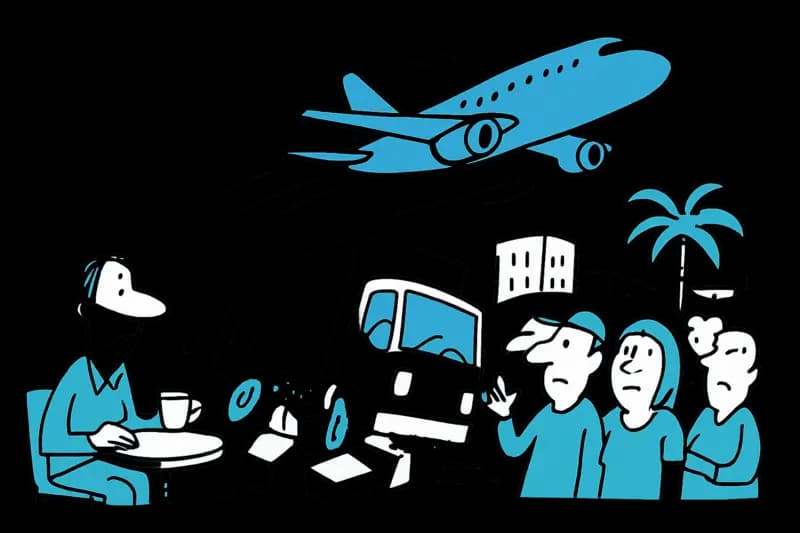
Daily from New York: How Palma's Air Traffic Is Growing — and What Must Change
United will increase the Newark–Palma service to daily flights in 2027 (Boeing, 231 seats). Strong tourist numbers clash...

When Love Ends in Shards: Destruction in Son Vida and the Questions That Remain
In Son Vida a relationship dispute escalated: a woman destroyed furniture in a luxury villa, later pressed a panic butto...

Who Bears the Burden? Mallorca Between Tenant Protection and Landlord Fears
Madrid's new housing decrees strengthen tenant rights — but on Mallorca concern is growing: will the law drive small lan...
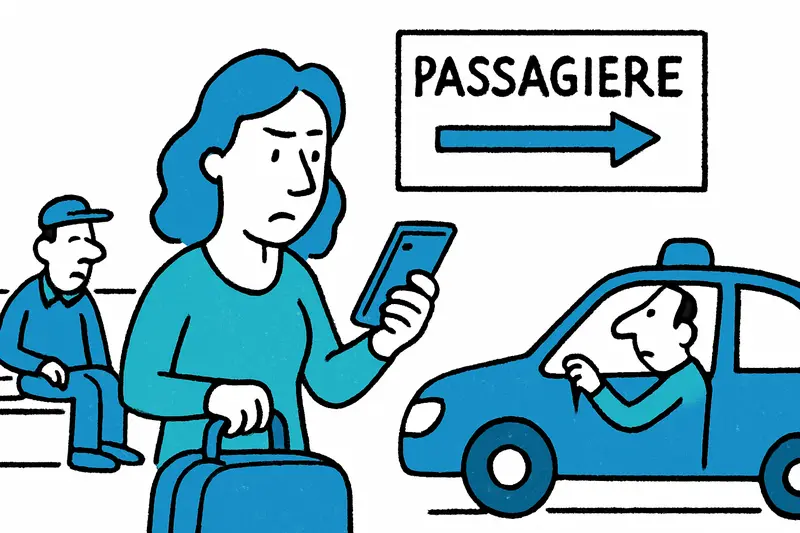
On the Edge: What Mallorca's Airport Loses If a Major Low-Cost Carrier Falters
The company that operates numerous connections from Palma to France and domestically is negotiating with creditors to re...
More to explore
Discover more interesting content

Can Cap de Bou

Townhouse Lleo 72
