
Apartment fire in Alcúdia: What is missing so this doesn't happen again?
Apartment fire in Alcúdia: What is missing so this doesn't happen again?
In Alcúdia an apartment on Calle Venècia burned out completely. Two missing minors were not found and the building was cordoned off. A reality check: where are the gaps in prevention, information and housing safety?
Apartment fire in Alcúdia: What is missing so this doesn't happen again?
Key question
How safe are our homes really – and what must the municipality do so that neighbors don't find themselves in the morning in front of cordoned-off doors and ruins?
What happened
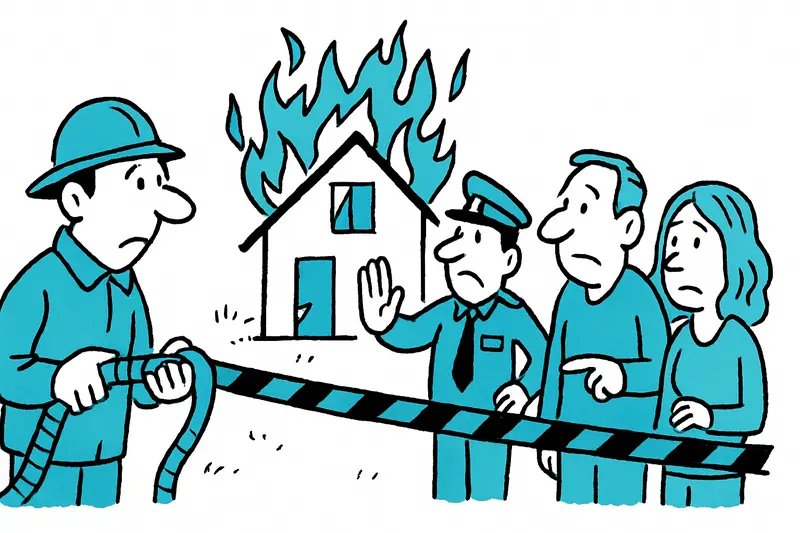
On January 15 a flat in a multi-family house on Calle Venècia in Alcúdia burned out completely at midday. According to reports, the Policia Local was the first on the scene and searched for two minors who were allegedly in the flat. That suspicion was not confirmed. Nevertheless, the fire caused such extensive damage that the floor above was also affected. The building is currently cordoned off.
Critical analysis
The sparse facts reveal several problem areas. First: the fire brigade extinguished the blaze; the local police conducted the search. What is missing are precise details about the cause of the fire, the building's evacuation plans and whether smoke detectors were installed. These are not mere niceties but practical protections: smoke alarms save lives, fire doors prevent the spread of flames, and clear escape routes reduce panic. Without such information the public remains in the dark – and the discussion stays superficial.
What is often missing from public debate
In the hours after a fire the debate often focuses on blame or sensational images. As other recent local incidents show (see Nighttime fire in Llucmajor: pets die, questions remain and Fire in Port d'Alcúdia: Why the big scare is also a wake-up call for fire safety), more important would be questions such as: Are older residential buildings in the historic core sufficiently inspected? Who is responsible for regular maintenance of sockets, heating devices or gas installations? How well are tenants informed about simple precautionary measures? The answers aren't in single-case reports; they require administrative clarity and transparent data, which are currently lacking here.
An everyday scene from Alcúdia
If you walk along Calle Venècia in the morning you sometimes smell strong coffee from the cafés on the Passeig del Port, hear taxi whistles and the clatter of delivery vans. After a fire the street resembles a different soundscape for days: sirens subside, neighbors whisper on the stairs, plaster falls from the walls from the heat. These scenes are small and local – but it is here that it is decided whether a residential area remains safe.
Concrete solutions
1) Mandatory installation and inspection of smoke detectors in rental apartments: many countries already require this. A municipal subsidy programme for simple detectors could provide quick relief.
2) Regular fire-safety checks for old buildings: the municipality should provide lists of certified craftsmen and introduce visible inspection stickers – similar to those used for elevators or gas systems.
3) Information campaign for tenants and landlords: short notices, posters in municipal offices and an annual "Housing Safety Day" with practical tips and real workmanship checks.
4) Fast communication chain in emergencies: when buildings are cordoned off, affected residents need central contact points (hotline, temporary accommodation, psychosocial support). Police cordons must not mark the end of state care, as was necessary during the Fire at Alcúdia Hotel: Evacuation Succeeds.
5) Neighbourhood preparedness: stairwell checklists, functioning emergency-lighting for escape routes and simple fire-avoidance measures (no drying laundry on radiators, safe use of hotplates) can increase everyday protection.
Why this matters
No one leaves home in the morning expecting their flat to be completely destroyed. But a few simple rules and better municipal infrastructure greatly reduce this risk. For Alcúdia, especially in older quarters, this can make the difference between a headline and a routine, well-managed disruption.
Conclusion
The fire on Calle Venècia is not just an isolated case of material loss. It exposes where informational gaps, preventive deficits and organisational weaknesses lie dormant. It is not enough to hope that everything will be fine. Municipalities, landlords and neighbors must work together: smoke detectors, inspections, clear contact points and a culture of preparedness. Otherwise we will return every winter to similar scenes – with different buildings but the same questions.
Frequently asked questions
How common are apartment fires in Mallorca and what usually helps prevent them?
Should smoke detectors be installed in Mallorca rental apartments?
What should residents do after an apartment fire in Mallorca?
Why are older buildings in Alcúdia more vulnerable to fire damage?
What fire safety checks should landlords in Mallorca arrange regularly?
What should tenants in Mallorca know about fire safety at home?
What happens when a building is cordoned off after a fire in Mallorca?
Is there enough fire safety awareness among residents in Mallorca?
Similar News

Nipping Sea Creatures: Why Bathers in Cala Major and Elsewhere Should Be Cautious
In Cala Major, bathers have reported being nipped by small fish. What is behind it, how can problems be avoided — and wh...
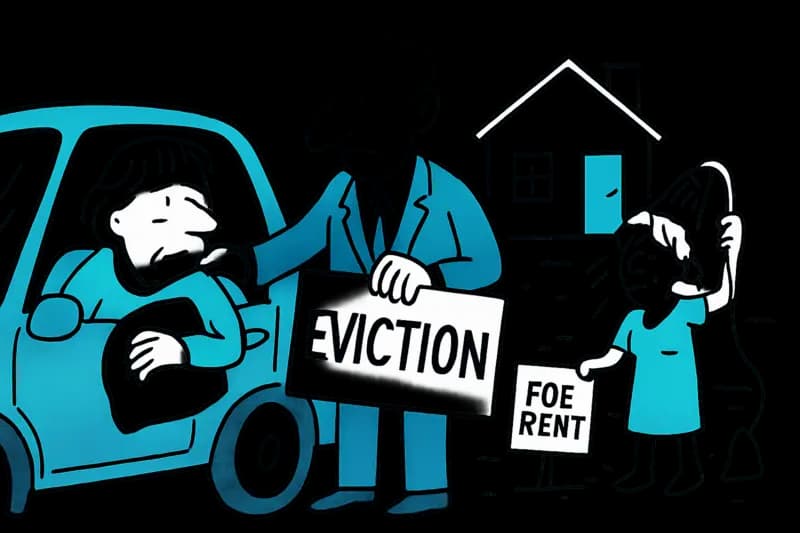
Forced eviction in Santa Catalina: When a 65-year-old slept in her car and showered on the beach — a question of responsibility
The story of Pilar López from Santa Catalina represents a problem affecting many Mallorcans: How can an island with a bo...
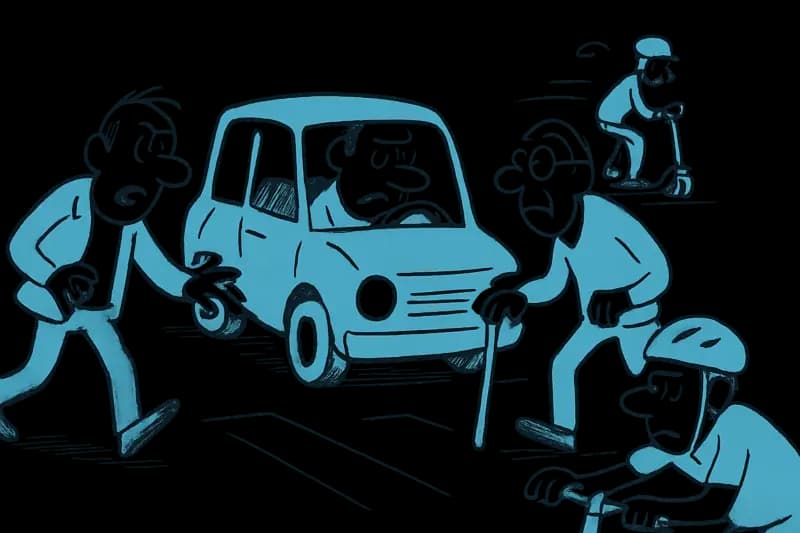
New traffic rules from October 1: What Mallorca visitors and locals need to know
From October 1, 2026, Spain will implement far-reaching changes to traffic regulations. Important for Mallorca: greater ...

More water than last year: Mallorca's reservoirs breathe easier
September rain refilled the Tramuntana's reserves: overall fill around 35 percent, Cúber at 40.42 percent, Gorg Blau at ...
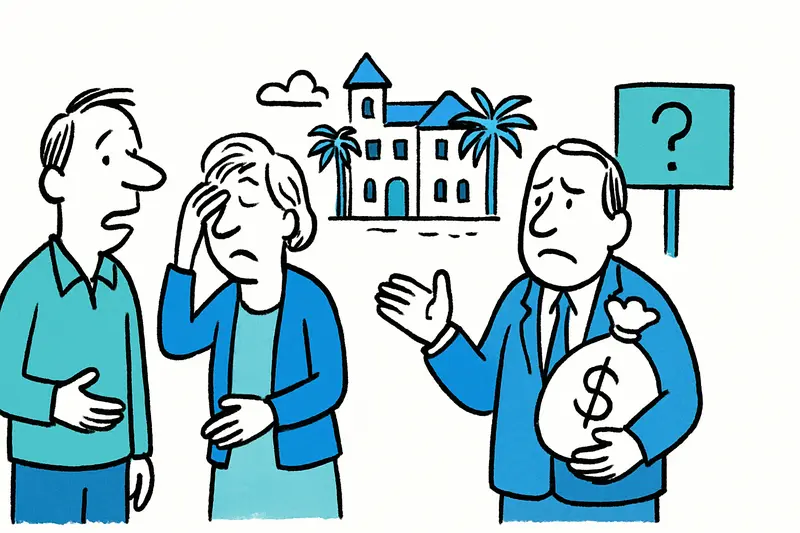
Three Luxury Hotels in Banyalbufar: Lots of Money, Many Questions
A Danish investor plans three exclusive accommodations in Banyalbufar — including the historic Son Valentí. The announce...
More to explore
Discover more interesting content

Can Cap de Bou

Townhouse Lleo 72
