
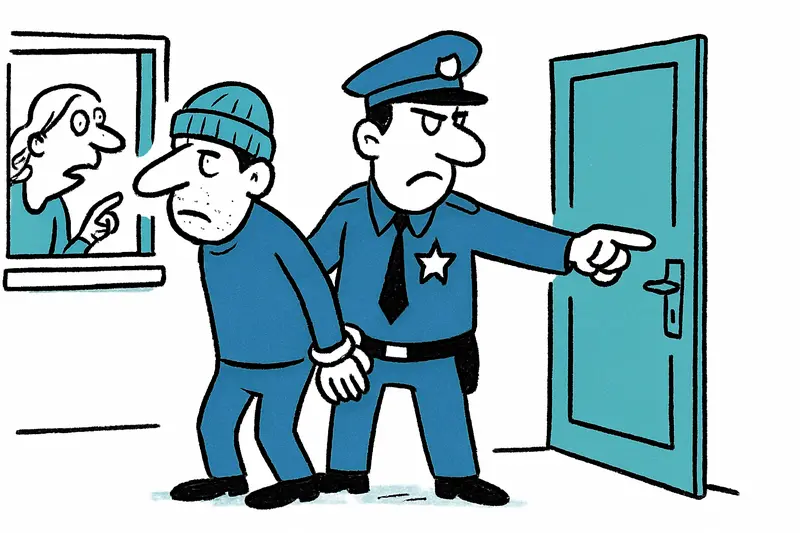
Arrest after series in Palma: Who protects apartments from repeat offenders?
The National Police arrested a man in Palma who investigators say may have broken into several apartments. In one incident a watch worth around €75,000 went missing. A reality check: what is lacking in residents' protection and which measures really help?
Arrest after series in Palma: Who protects apartments from repeat offenders?
Reality check after the recent burglaries - luxury watches, laptops and the question of prevention
In Palma the National Police have taken a man of Spanish origin into custody. According to investigators he is suspected of having broken into apartments at least twice. In one of the incidents a high-end wristwatch with an estimated value of about €75,000, several mobile phones and three laptops were stolen. In another case at Playa de Palma a suitcase with personal documents and electronic devices is said to have been taken. The burglary unit opened an investigation after an apartment was apparently accessed through a smashed window.
Key question: Why does the same address apparently become the victim of burglaries repeatedly - and what would need to change so residents can feel safer?
Critical analysis: At first glance this reads like a classic case file: crime, forensic work, arrest. But behind it lies a piece of everyday life on the island in which gaps become visible. Repeated burglaries at the same apartment point not only to offenders who return, but also to weaknesses in home security: poorly secured windows or balconies, lack of alarm systems, and insufficient neighborhood vigilance. At the same time, the cases at Playa de Palma show that offender profiles and crime scenes vary - from old town flats to holiday apartments.
What is missing in public discourse: Often we talk about individual cases and “more police” without naming the concrete problem areas. It is rarely discussed what small-scale prevention can look like, what legal and technical hurdles landlords and tenants face when upgrading locks and windows, and how victims can be better informed after an incident. It is also seldom debated how data on serial offenders is consolidated - for example, whether pattern-matching between burglary offences in different districts takes place on a regular basis.
An everyday scene from Palma: It is a warm morning, the sun is high over Passeig Mallorca, coffee cups clink on the terraces, delivery scooters buzz by. An older neighbor on a balcony calls to a cleaning woman to lock the door after cleaning. Such small routines are often the first line of defense against burglaries - and yet they crumble when people are at work, traveling or simply not informed.
Concrete solutions: First: tailored awareness campaigns by the police in residential areas - short prevention checks, information evenings in community centers, leaflets in several languages. Second: financial incentives or subsidies for secure windows, certified locks and alarm systems, especially for older residential buildings and holiday apartments. Third: a local reporting system for suspicious observations that allows residents to quickly send tips to the responsible burglary unit. Fourth: better networking of case files - if a suspect appears in several districts, information should be compared more quickly and automatically. Fifth: preventive inspections of holiday rentals and obligations for landlords to provide information on security standards.
Practical tips for residents: Keep license plates, serial numbers and photos of valuable items stored safely; do not keep valuables openly in living areas; use shutters and additional locks at night and when away; organize neighborhood support - entrust keys only to people you trust; if you suspect something, inform the police immediately and do not conduct your own investigations.
Concise conclusion: Arrests are important, but they do not replace preventive measures. Anyone who seriously wants to reduce the number of burglaries must address several levers: better local information, technical upgrades to buildings, coordinated investigative work and stronger involvement of neighborhoods. Otherwise repeat offences remain only a matter of time - and residents will be left with the unpleasant feeling that their home is vulnerable.
Frequently asked questions
When is Mallorca at its best for warm weather and outdoor activities?
What should I pack for Mallorca given its changing weather?
Are Mallorca’s beaches safe for swimming, and what should I watch for?
What are the top outdoor activities you can do in Mallorca?
How easy is it to get around Mallorca to explore beyond Palma?
Is Mallorca suitable for a family trip during the shoulder seasons?
What should I know about local etiquette and language when visiting Mallorca?
What should I expect from Mallorca’s coastline and beaches before planning a visit?
Similar News
Finally Home: Mike and Leyla Heiter Buy Villa with Sea View in Mallorca
The reality TV couple Mike and Leyla Heiter have bought a house in Mallorca with a roof terrace and sea view. An Instagr...
How a Teenager Without a Driver's License Stole a Rental Car — and What It Means for El Arenal
In El Arenal a minor took advantage of an unattended rental car with its engine running. Flight, climbing over walls and...
Three-ton llaut salvaged in Puerto Portals – volunteers clear microplastics from the harbor
During the weekend operation in Puerto Portals, divers pulled an approximately three-ton llaut from the harbor. Associat...
Naked Pillar in Bunyola: Why a Climbing Prank Is More Than an Accident
During the Sant‑Mateu verbena a 20‑year‑old fell at a protected wayside cross in Bunyola and pulled the stone cross off ...

Towel on It, Chair Gone? How Hotels Can Regulate Reservations of Sun Loungers
After a deadly dispute in Greece, the question has resurfaced in Mallorca: Are hotels allowed to ban or sanction the pra...
More to explore
Discover more interesting content

Can Cap de Bou

Townhouse Lleo 72
