
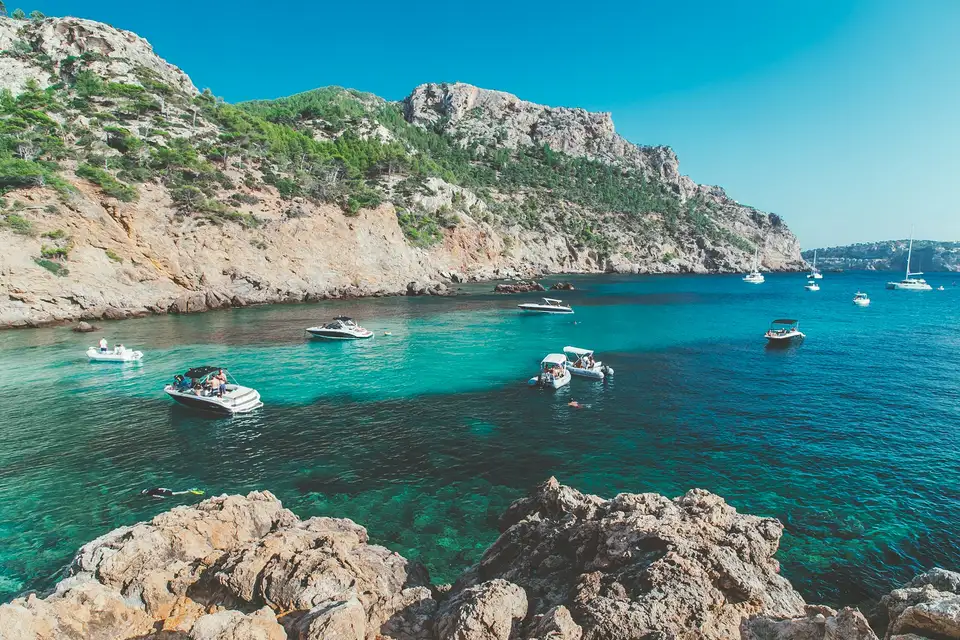
Three-ton llaut salvaged in Puerto Portals – volunteers clear microplastics from the harbor
During the weekend operation in Puerto Portals, divers pulled an approximately three-ton llaut from the harbor. Associations and volunteers also collected about one ton of trash — a small, tangible success for the coast and harbor life.
Three-ton llaut salvaged in Puerto Portals – volunteers clear microplastics from the harbor
Last weekend there was more activity than usual at the entrance to Puerto Portals: not only the familiar sounds of engines and rigging, but also the soft splash of paddles and the occasional laughter of volunteers. As part of a cleanup event tied to World Cleanup Day, professional divers together with volunteers pulled a classic Mallorcan llaut from the basin of the luxury marina. Similar local recoveries were reported earlier, for example Seven Meters from the Mud: Volunteers Recover Boat in Puerto Portals.
The roughly five-year-old wooden boat weighed an estimated three tons and had to be brought to the surface using a technically complex maneuver. According to a statement from the port, the recovery required special equipment and coordinated action: divers secured hulls and lines on the seabed, ropes were moved to small workboats, and a lifting system finally brought the boat to daylight. Afterwards the llaut was safely brought ashore.
In addition to the llaut, the search also revealed other heavy items: an engine, an anchor and even the chassis of another boat. All of these lay hidden beneath seaweed and sediments — small time capsules that suddenly raised the question of how much invisible ballast lies in our harbors.
The operation took place as part of the third edition of the "Blue Marina Clean-Up Subaquatic". Participating organisations included PROTEMAR, Mar de Fondo and Big Blue Diving. While divers worked on the seabed, participants patrolled the berths in kayaks, on paddleboards and in small boats, collecting microplastics with nets and removing cigarette butts, plastic sheets and other debris from the water and quays; footage of divers hauling plastic is shown in What Lies Beneath Mallorca's Coast: Trash Slipping Out of Sight.
By the end of the day, in addition to the salvaged llaut, roughly another ton of rubbish had been collected from outside the hull, along the coast and in collection containers. For a Sunday in the low season this is a significant amount — and a visible result of collective work, reflecting the larger-scale efforts documented in Almost 6.5 Tons of Trash in July: The Summer Clean-Up off Mallorca's Coasts.
Observers on the shore could see port staff and volunteers sorting boxes full of recovered items. The promenade smelled of sea and fresh espresso, the diver lines clattered in the light west wind, and people on the pontoons exchanged anecdotes about stranded nets and curious flotsam. Scenes like this show that environmental protection here is not an abstract debate but hands-on work between the boats.
For Mallorca this has a double meaning. Removing heavy objects and microplastics directly reduces hazards to propellers, seabirds and divers. At the same time it sends a signal to port operators, charter companies and boat owners to pay closer attention — less waste means fewer follow-up costs and fewer unplanned recoveries. Broader analysis of cleanup efforts around the island can be found in Almost 37 Tons of Waste: What Mallorca's Cleanup Fleet Really Tells Us.
The involvement of local clubs and dive centers is also encouraging because it shows how expertise and civic engagement fit together: the divers bring technical knowledge, the volunteers bring manpower and awareness of everyday life at the quay. Such cooperations can be repeated and expanded easily — for example through regular inspections of marina basins, targeted prevention campaigns for berth tenants or collection stations for boat parts and waste oil.
If you feel inspired: many of the participating groups regularly look for helpers for upcoming dates. A small contribution — a morning with gloves or a few hours observing from the shore — is often enough to make the next operation more effective.
In the end, Puerto Portals was left with a good feeling. Not because a spectacular boat was salvaged, but because people came together, got their hands dirty and showed at the water's edge that change begins with practical action. For the island this is more than symbolism: it is a reminder that cleanliness and safety in our harbors are a matter of cooperation.
Frequently asked questions
What happened during the llaut salvage at Puerto Portals?
Why are microplastics and debris a concern in Mallorca harbors?
Who joined Mallorca's Blue Marina Clean-Up Subaquatic?
What are the practical benefits of marina cleanups for Mallorca?
Where did the llaut salvage take place?
How can locals get involved in future marina cleanup efforts around Mallorca?
What other items were found during the cleanup besides the llaut?
What does the Puerto Portals cleanup reveal about Mallorca's environmental protection efforts?
Similar News
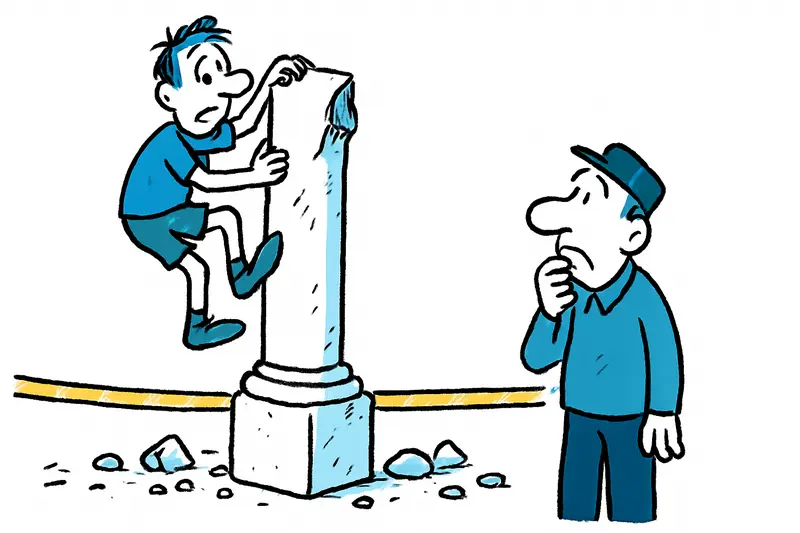
Naked Pillar in Bunyola: Why a Climbing Prank Is More Than an Accident
During the Sant‑Mateu verbena a 20‑year‑old fell at a protected wayside cross in Bunyola and pulled the stone cross off ...
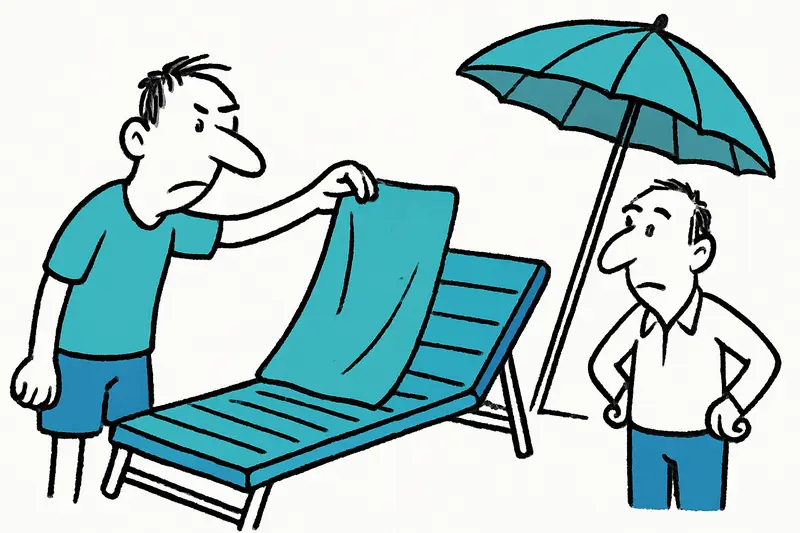
Towel on It, Chair Gone? How Hotels Can Regulate Reservations of Sun Loungers
After a deadly dispute in Greece, the question has resurfaced in Mallorca: Are hotels allowed to ban or sanction the pra...
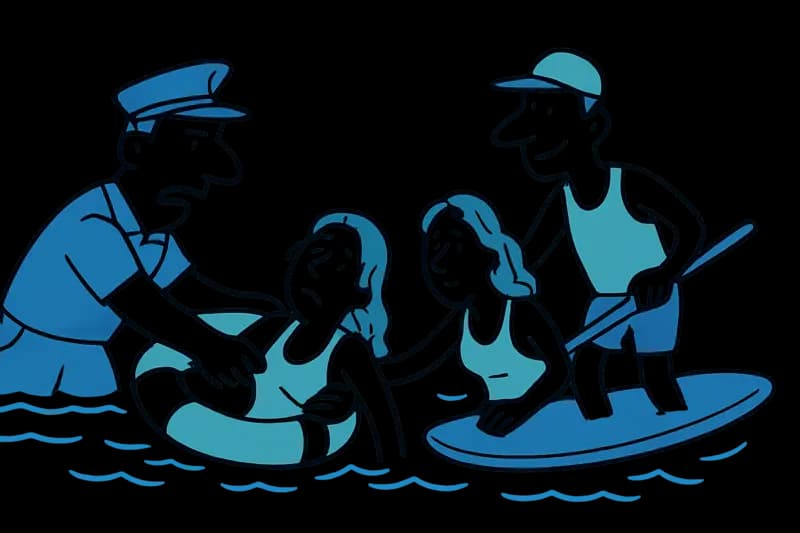
Illetas: Police Officer and Two Lifeguards Rescue Two Female Tourists from the Sea
Late on Friday afternoon emergency responders entered the water off the coast of Illetas: a local police officer and two...
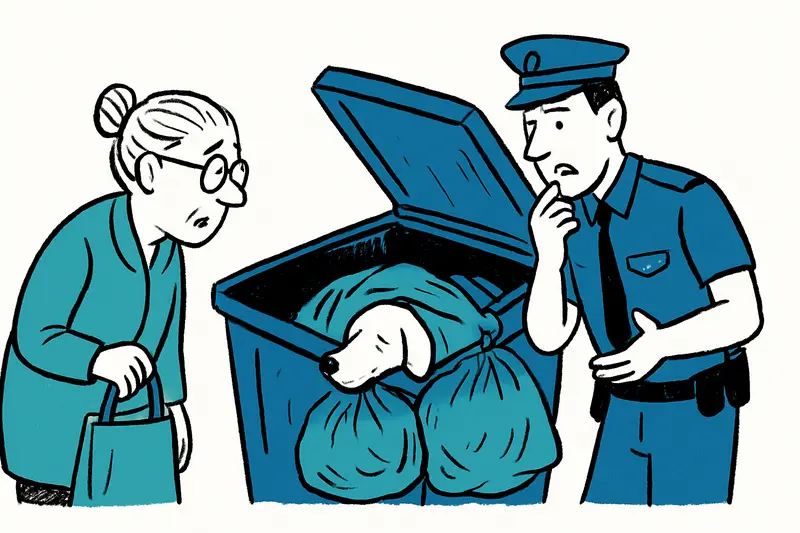
Inca: Severely injured female dog found in garbage bags in a container – who has seen anything?
In Inca, a severely injured female dog was discovered wrapped in two garbage bags inside a container on Avenida Rei Jaum...
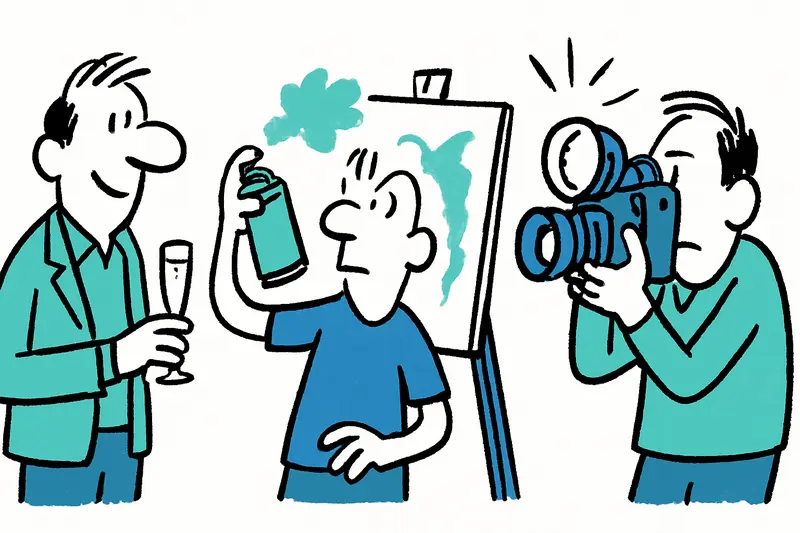
Pre-Nit de l’Art in Palma: Champagne, Spray Can and Studio Flash in the Old Town
Red carpets, a photographers' stand and live performance: the Pre‑Nit de l’Art filled Galerie Mensing with around 400 gu...
More to explore
Discover more interesting content

Can Cap de Bou

Townhouse Lleo 72
