
When the Artist Sits at the Table: Icon Zar and the Fine-Dining Experiment in Mallorca
A dinner becomes a small cultural event: Icon Zar brings artists, chefs and collectors to the same table. In Palma it sounds like a familiar conversation about olive oil, oyster shells and ideas.
When the Artist Sits at the Table: Icon Zar and the Fine-Dining Experiment in Mallorca
Between Santa Catalina and Passeig Mallorca art meets the plate — and both taste of the island
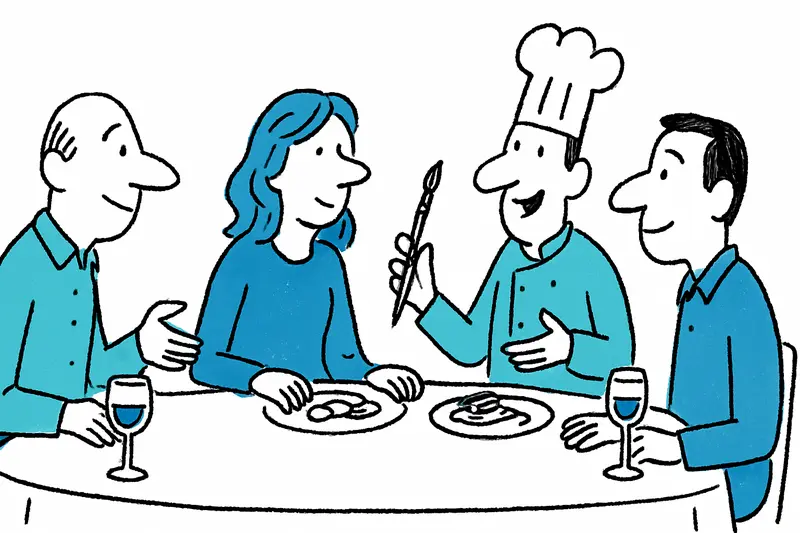
Palma, 23°C, scattered clouds — that is how a late summer evening on the island feels when you walk through the streets of Santa Catalina and the clinking of glasses mixes with the smell of fried fish. It is precisely in this blend that the artist Icon Zar works: she brings her studio language to the table and invites chefs, collectors at events like COLLECTORS.MEET in Biniali and guests to conversations over menus that are more than a complete dinner.
The project that Zar has developed in recent years on Mallorca does not rely on flashy statements but on encounter. A chef explains how a more reduced preparation can change a flavour; a collector asks about the idea behind material experiments; the artist shows how an oyster shell becomes an object that stores stories. No gallery opening, no dry introduction — rather an exchange that by the third course turns into friendly chatter.
What stands out: everyday materials are used here. From real estate catalogs, used masks or coffee capsules come collages and objects, oyster shells become textures. This is not merely an eco-gesture, but an attempt to question craft, memory and consumption. In Zar’s “Green Thinking” is the question: how do we use what is already there and make something that lasts longer than the bill on the table?
In 2026 she began with “Yellow Thinking” — a phase that is less politically driven and less frenetic, instead asking after small joys: happiness, gratitude, the good conversation after dessert. That fits the Mallorcan evening culture, when the last buses leave and the street lamps on Avinguda Gabriel Roca cast a warm light.
For the island this is a welcome addition. Over the past decades Mallorca has developed a culinary identity where small hotels, Mediterranean products like Oli de Mallorca: A Piece of Origin for the Christmas Table and precise craftsmanship come together. When artists and chefs share this space, new perspectives on ingredients, on traditions and on the question of how culture is lived here emerge — not only as an exhibit, but as part of a shared evening.
The formats take place in restaurants and kitchens, sometimes in hotel kitchens, sometimes with a private chef from Metus Gourmet, sometimes at long tables where guests' voices are as important as the presentation on the plate. Direct exchange seems crucial to Zar: those who cook talk about technique and origin; those who paint talk about material and meaning. That reduces distance and creates understanding — without romanticizing that distance.
Concrete collaborations with chefs have given the project visibility and depth. Despite all sensuality, precision remains a theme: the kitchen as a laboratory where textures are tested, where technique is translated into an idea. A dish lives only briefly, yet the memory of it can work years later like a picture you keep looking at.
For visitors the format is an opportunity: you do not just eat well, you also encounter perspectives you otherwise find in gallery spaces, such as Nit de l'Art: Palma's long art night. For the local scene it means networking — between hotels, restaurants, creatives and collectors. And for the city it means that Palma continues to function as a stage where different arts meet.
A small, personal impression: one evening last week in the El Terreno neighbourhood, after a conversation about fermented ingredients, an older gentleman stood up, thanked everyone with a simple sentence and disappeared into the cool night. Moments like that show that culture here is not only proclaimed but experienced — between a spoon and the street.
Icon Zar thinks bigger: conversations about exhibitions, books and international projects are part of it, as is the idea of taking the format to other destinations. It remains no loud promise, rather an invitation: those who take part bring flavour and questions. Those who listen take both home.
If you are curious, keep your eyes open at the next dinner: between breadcrumbs and olive oil a small conversation about art can develop. On Mallorca this has the advantage that a table is often more than just a place to eat — it is a place to share, discuss and sometimes invent new paths.
More information about the format can be found on the artist’s official pages or directly from participating restaurants — and who knows, the next artful plate might already be on its way to your neighbourhood.
Frequently asked questions
When is the best season to visit Mallorca for outdoor activities like hiking and cycling?
Is it safe to swim in Mallorca’s beaches, and which areas are best for families?
What should I pack for a Mallorca trip across spring and summer?
What are some must-see places for a first-time visitor to Mallorca?
How should I get around Mallorca—public transport or a rental car?
Are there good day trips from Palma to other parts of Mallorca?
What should I know about Mallorca’s weather and packing for different seasons?
Are there family-friendly activities suitable for kids across Mallorca?
Similar News
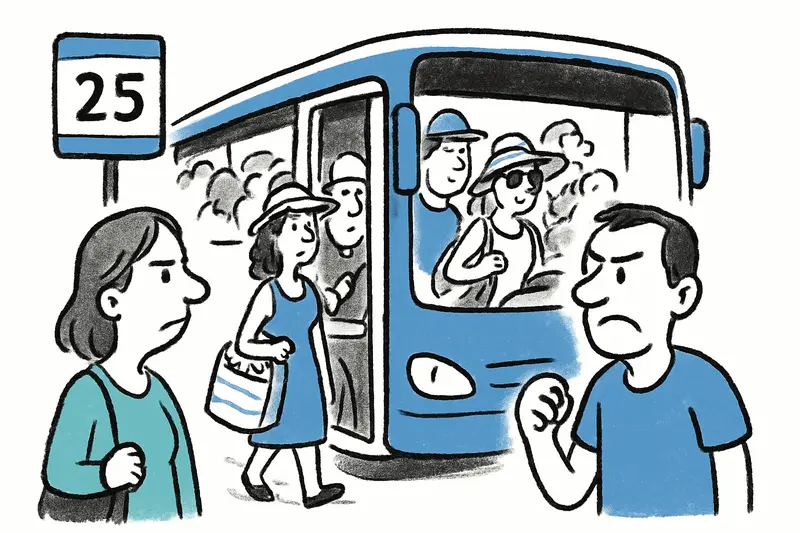
Residents First at Palma's Stops? A Reality Check on Negueruela's Bus Idea
The proposal to prioritize residents with TIB or Tarjeta Única cards when boarding strikes a nerve. But what would a pri...

Why traffic jams in Mallorca stress us more than elsewhere
A study shows: 40 percent of Balearic residents name traffic jams as a major source of stress. We ask: why is that — and...
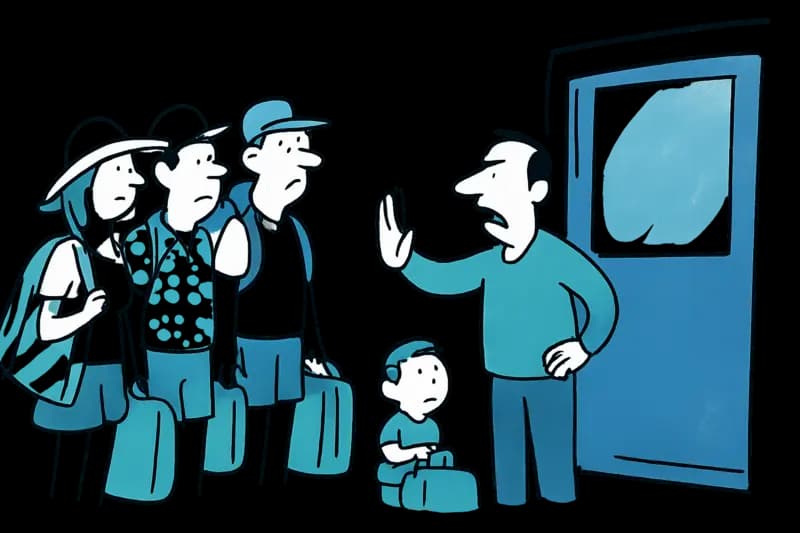
Residents first: Why Palma's city buses should give priority to residents
A proposal is causing debate: residents in Palma should be given boarding priority. Why the idea grows out of everyday l...
Golf, Tapas, Terrace Evening: The MM Autumn Trophy on October 4
On October 4, Mallorca Magazin combines sporting competition with sociability: a get-together at Schwaiger's Xino on the...
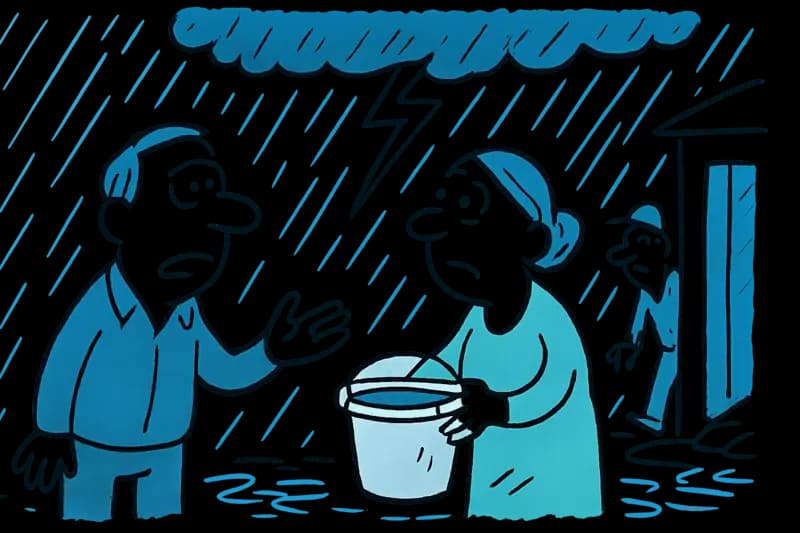
Nighttime Thunderstorms over Mallorca: Uncomfortable Questions for Infrastructure and Warning Systems
A severe line of thunderstorms brought locally more than 70 l/m² during the night. Aemet warned, but images of flooded s...
More to explore
Discover more interesting content

Can Cap de Bou

Townhouse Lleo 72
