
Experience Artà: Mill Wheel, Tractors and Ensaimadas at the Fira
On Plaça la Rambla in Artà the fair fills the alleys with the scent of hay, the rumble of tractors and freshly baked ensaimadas. A small agricultural show blends tradition and modern farming — an afternoon full of sounds, stories and regional products.
Today in Artà: The Fira brings the square to life
When you walk down the stairs to Plaça la Rambla, the smell of hay greets you first, then the scent of freshly baked ensaimadas - Wikipedia — a combination that says Mallorca. Today is Fira in Artà (Artà Celebrates the Fira: Tractors, Animals and the Mill That Grinds Again) and the usually quiet streets are loud, warm and charmingly unpolished. Stalls, trailers and old farm machines fill the corners; children run around with sticky fingers while chatter and clucking hens fill the air.
Animals, machines and people
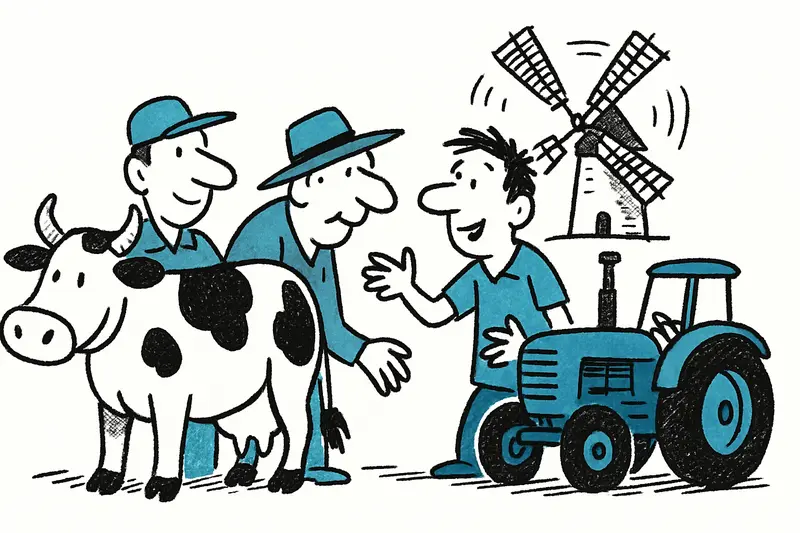
Animals: Cows, pigs, chickens and a colourful array of small animals stand side by side. The animals are more than exhibits — they are workmates and family members. Breeders readily tell the stories behind their animals: the names, the quirks, the competitions. Sometimes you stop, listen and laugh at an anecdote while a rooster indignantly crows in the background.
Machines and equipment: Old and new tractors park next to each other. Young people like to pose on the wooden beds for a photo — a bit staged, a bit real. Older farmers explain how a hydraulic pump works or why a certain plough model performs better in the stony fields of the north. If you like the smell of oil and the clatter of old machinery, this is the place for you.
The mill: A highlight is the watermill that has been put back into operation. The mill wheel creaks, flour dust dances in the sunlight, and suddenly you hear conversations about grain varieties that are hardly grown anymore. Pause for a moment, listen to the rhythm of the water — this is craftsmanship in its most beautiful, simple form.
More than a show — a marketplace of connection
The Fira is not a museum, it is everyday life on a stage: local recipes are presented on the small open-air stage, a bakery next door sells fresh ensaimadas, and stalls offer cheese, sausages and honey from the region. Children draw animals, older women discuss the weather, and young farmers demonstrate modern cultivation methods — drones, irrigation control, crop diversity. The result is a lively mix of nostalgia and curiosity about the future, a dynamic also visible in Autumn Festivals in Mallorca: Sweets in Esporles, Botifarró in Sant Joan, Crafts in Alaró.
Practically, it is a meeting between producers and buyers: you taste, ask for growing tips or learn how the last harvest years were. There is a lot of exchange: drought years and neighbourly help, but also the small successes that well-aged cheese brings at the end of the year. A similar atmosphere can be found in Inca’s market events, detailed in Dijous Bo in Inca: Eight kilometres of market, Ensaimada and rural warmth.
Tips for your visit
A few useful notes: parking is scarce, so bring patience or take the bus — lines 401/402 stop relatively close; check the TIB bus network for timetables. Wear sturdy shoes; it can be dusty and uneven. In the evening a light jacket can be helpful, because from around 3:30 pm a cool breeze from the sea often blows in.
And one small piece of advice: bring cash. Many producers prefer to trade directly, in the traditional way. Buy a piece of cheese, try the honey tasting or grab a freshly fried treat — the experience is worth it.
Why the Fira is more than pure folklore
The Fira in Artà shows how rural life on Mallorca works today: tradition is maintained, young farmers bring in technology and new varieties, and consumer contact remains personal. This is not a romantic backdrop but a practical network that connects knowledge and products. When you drive home, you take more than photos and the smell of flour on your jacket — you take a piece of Mallorcan reality home: a conversation, a recipe, a piece of cheese.
In short: the Fira is loud, a little dusty, wonderfully imperfect — just like life here on the island. And that's a good thing.
Frequently asked questions
What is the Fira in Artà like?
Can you buy local food at the Artà fair?
Is the Artà Fira suitable for families with children?
What kind of tractors and farm machinery are shown at the Artà fair?
Why is the watermill such a highlight at the Artà Fira?
How do you get to the Fira in Artà?
What should I wear to the Artà Fira?
What does the Artà Fira say about rural life in Mallorca?
Similar News
FC Germania Mallorca aims for the top after just three matches
Newcomer FC Germania Mallorca hosts Deportivo Marratxi on Sunday at the Camp de Futbol La Nova Cabana. New reinforcement...
Etihad comes earlier: More flights between Abu Dhabi and Palma from May
The Gulf carrier shortens its summer break: from 16 May 2027 direct flights with the A321LR and premium cabins are expec...

Sudden braking at a pedestrian crossing in Palma: What this incident says about our streets
Three plainclothes police officers were nearly put at risk by a reckless driving maneuver at a pedestrian crossing in Pa...

Brawl in Palmanova: Two Taxi Drivers Injured – Who Protects the Night Shift?
In Palmanova two taxi drivers were attacked by apparently drunk tourists; one driver was seriously injured. A debate beg...
Etihad brings Mallorca season forward: More flights, more discerning guests
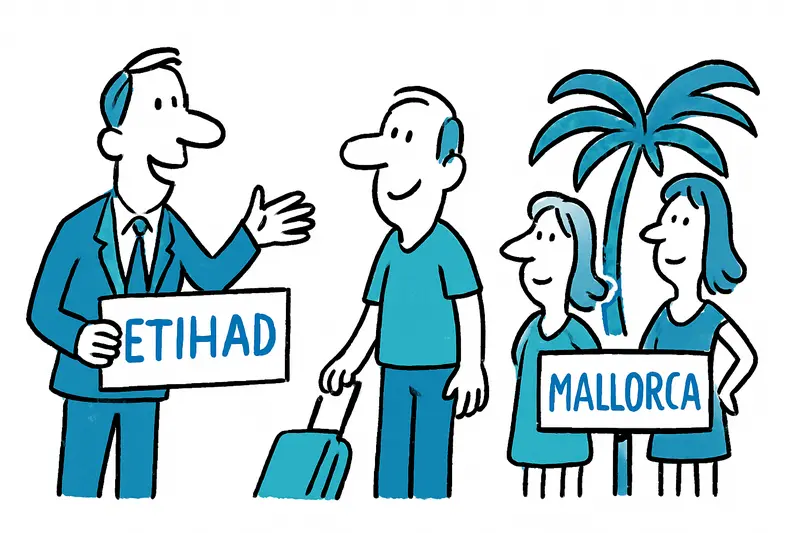
The Gulf airline Etihad plans to bring its Palma connection forward next year and increase frequency. For hotels, restau...
More to explore
Discover more interesting content

Can Cap de Bou

Townhouse Lleo 72
