
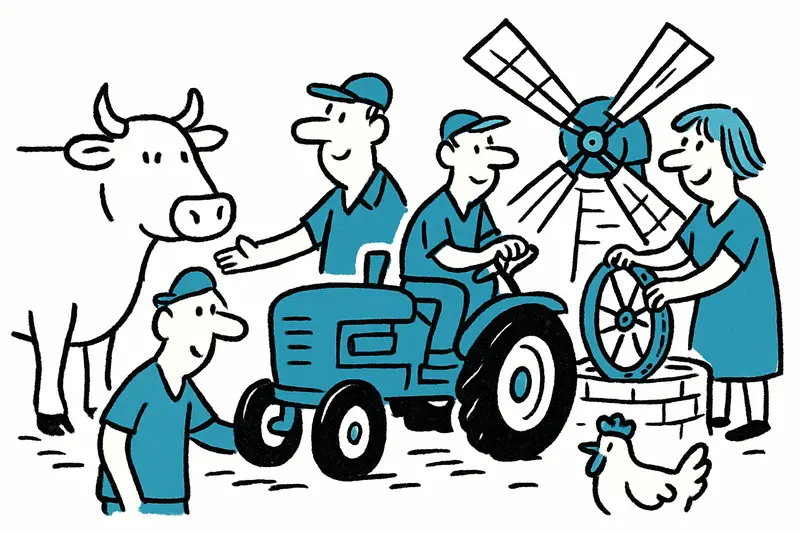
Artà Celebrates the Fira: Tractors, Animals and the Mill That Grinds Again
The village square in Artà smells of hay, pa amb oli and grilled meat. The annual agricultural show proves: tradition lives on — and it is useful.
Artà Celebrates the Fira: A Day Between Barn Smells and Old Machines
Morning in Artà starts differently today: the square fills early, voices mingle with the clatter of tractors and the gentle splashing of a stream. Those who fetch the first coffee usually stop and stay. You breathe deeply — a mix of fresh hay, frying fat and the sweet aroma of honey. It's Fira day, the agricultural show that brings neighbors, visitors from the surrounding area and holidaymakers from northeast Mallorca together, as reported in Artà Celebrates the Fira: Tractors, Animals and the Mill That Grinds Again.
Living Animals, Old Machinery
At the stalls there are cows, chickens, pigs and farm dogs that seem to want to be petted immediately. Next to them tractors shine in every color, from rusty heirlooms to modern field machines. People turn knobs, discuss tire treads and compare the sound of old diesel engines. Particularly charming: an old water mill that, after much care, grinds again, featured in Experience Artà: Mill Wheel, Tractors and Ensaimadas at the Fira. The crunching of the stones, the flow of the water — for children almost as exciting as a movie.
More Than a Nostalgic Parade
The Fira is not a museum exhibit. There are demonstrations: sheep shearing, feeding calves, and a jury that judges dairy cattle. Craft stalls sell baskets, honey, cheese and freshly baked bread. In one corner you can smell pa amb oli on the grill; someone slices pieces of olive oil toast, and the locals nod appreciatively. In the afternoon a local band plays on the Plaza de la Vila — not too loud, just right for a nap in the shade of the plane tree or for a chat with the producers.
For families: children can ride ponies, stack hay and make small figures from natural materials in a craft workshop. The farm dog, which always keeps an eye on visitors, provides laughs. Many parents appreciate that there is no noisy funfair here with loud rides, but a real community gathering — with real benefits.
Why the Fira Matters
Such shows are more than tradition. For many small farms they are a marketplace; direct sales bring income without middlemen. They are platforms for knowledge transfer: conversations about native varieties, sustainable irrigation and modern cultivation methods take place on improvised stages. And yes, water remains a central topic: farmers exchange tips on efficient use while experts talk about new irrigation solutions. This interests not only long-established producers but also young farmers looking for practical, climate-resilient farm systems.
There is also an underrated effect: tourists experience rural reality. Someone who buys a jar of homemade honey here or smells the mill gets an understanding of the work behind local products. That strengthens demand for quality over mass-produced goods and helps small farms survive through the seasons.
Looking Ahead
It would be naive to believe a single Fira solves the big problems. But it creates spaces — for exchange, sales and new ideas. A few concrete opportunities are obvious: closer direct-marketing networks, shared storage and cooling facilities for small producers, and regular training in water technology and farm management. If the community, younger generations and tourism stakeholders pull together, a fair can become an engine for sustainable development.
So: if you're in Artà today, stroll across the square, try a piece of cheese, listen to the tractors and take a look at the mill that grinds again. It is precisely this mix of practice, tradition and a quiet but tangible drive toward the future that keeps the Fira alive. And maybe you'll take a jar of honey home — a small taste of Mallorca you can savor.
Frequently asked questions
What is the Fira in Artà and what can visitors expect?
Is the Fira in Mallorca good for families with children?
What kind of food and local products can you find at the Artà fair?
Why are tractors such a big part of the Fira in Artà?
What is special about the old mill at the Artà fair?
What time of year is best to visit Artà for the Fira?
What should you pack or wear for a visit to the Artà Fira?
Why do local farmers value the Fira in Artà?
Similar News
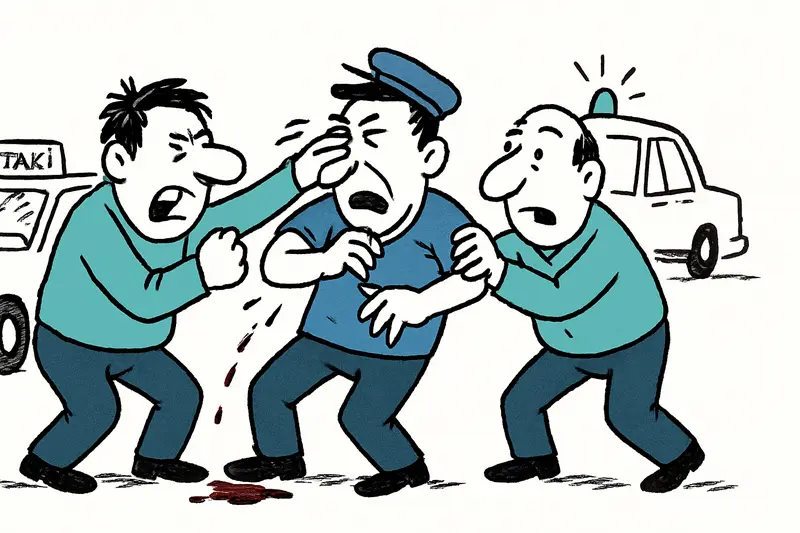
Brawl in Palmanova: Two Taxi Drivers Injured – Who Protects the Night Shift?
In Palmanova two taxi drivers were attacked by apparently drunk tourists; one driver was seriously injured. A debate beg...
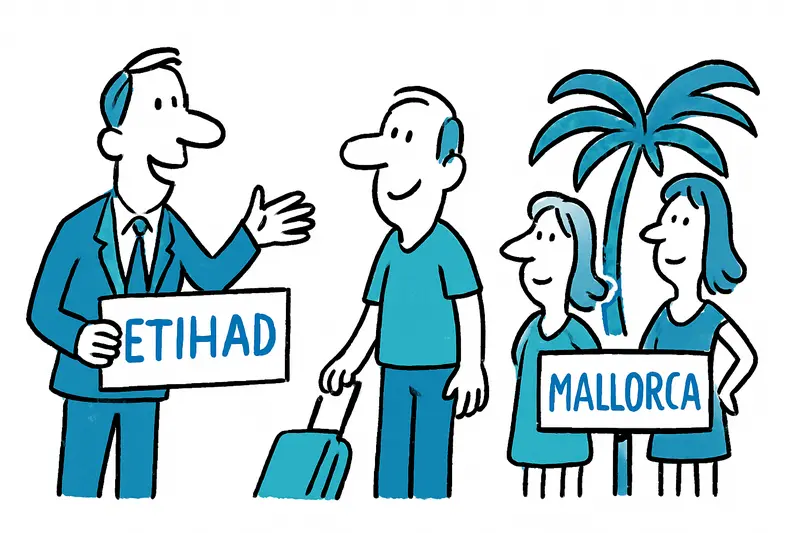
Etihad brings Mallorca season forward: More flights, more discerning guests
The Gulf airline Etihad plans to bring its Palma connection forward next year and increase frequency. For hotels, restau...
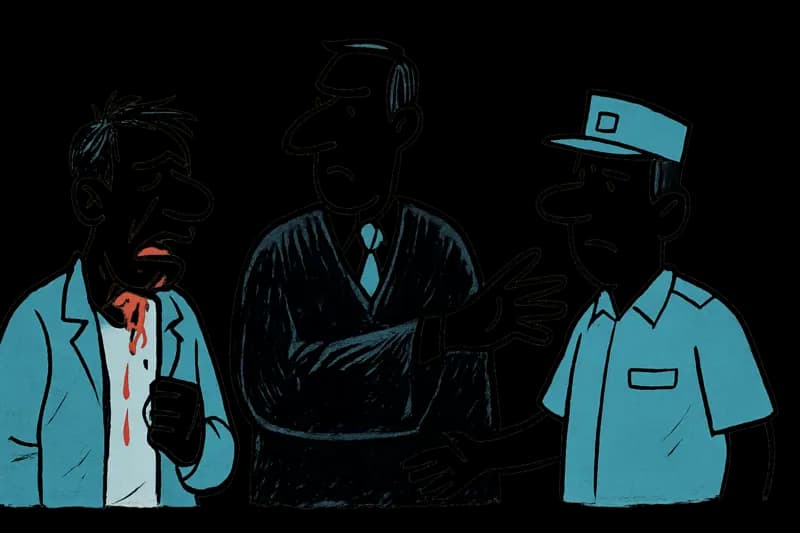
Release after bloody attack in Palma: Why the court's decision raises questions
An 18-year-old who allegedly inflicted a serious neck injury on a man at Plaza Gomila using a wristwatch wrapped around ...
Kidnappings in Inca: Three young men forced into car trunks and abused in the forest – a reality check
In Inca, three 18-year-old men were forced into car trunks by masked assailants at the Plaça des Bestiar, taken to a for...
Spreading Massification: The Brake That Still Has Much Work to Do
Marga Prohens announces limits on volume tourism. The measures sound harsh — but are they enough to save everyday life, ...
More to explore
Discover more interesting content

Can Cap de Bou

Townhouse Lleo 72
