
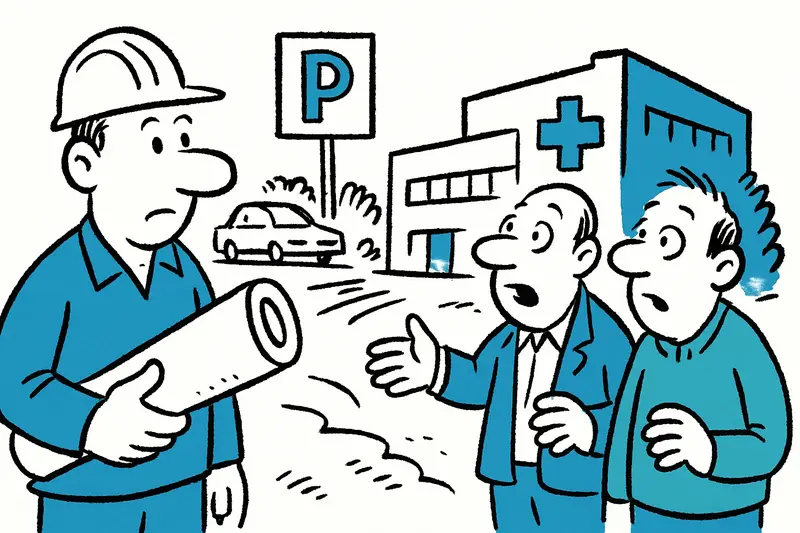
Artà plans new health center: Opportunity for better care — but is €5.6 million enough?
The Balearic government has allocated €5.6 million for a new health center at the entrance to Artà. The project promises more space and emergency care — but questions about traffic, staffing and operating costs remain open.
Artà plans new health center: Opportunity for better care — but is €5.6 million enough?
At the entrance to Artà, along the MA-12 coming from Manacor, a mix of curiosity and skepticism currently blows through the olive trees: the Balearic government has budgeted €5.6 million for a new health center with emergency services. For many residents this means hope for modern facilities and a shorter route in an emergency. The central question, however, remains: does the project really improve care — or does it create new problems, for example in traffic and staffing? For wider regional context, see 26 Million Euros for a New Hospital in the East: Hope and Questions in the Levante.
What is planned — and why that is not everything
Officially, the new premises are to be three times the size of the current practice: more treatment rooms, separate staff areas and designated parking spaces for visitors, employees and an ambulance. On paper this sounds like a quantum leap compared to the narrow corridors and few examination rooms many locals are used to. But size alone does not solve all problems.
The location at the town entrance has advantages: good visibility, quick accessibility for incoming ambulances and direct connection to the main road. However, traffic volume also increases there — especially in the summer months, when tourists combine island experiences with day trips. When the village square cafés wake up in the morning, the cicadas chirp and delivery vans roll in, additional drivers searching for parking can quickly lead to jams on the MA-12.
Traffic issue: parking is not the same as traffic planning
That parking spaces are planned is fundamental, but not sufficient. On the MA-12 a stationary car can already stop the traffic flow; an ambulance needs clear access routes. A holistic traffic plan should therefore include a dedicated access road, an emergency pull-out outside the main lane, turning lanes and defined delivery times. Otherwise the new clinic risks becoming a disruptive factor itself.
Staff, operating costs and night service: the quiet questions
Construction costs are only half the truth. Who will cover the ongoing operating costs in the future? Are there enough doctors, nurses and emergency staff to staff the center around the clock? In rural areas of Mallorca recruitment has become more difficult — young physicians are often drawn to larger cities. Without binding commitments on staffing, a generous building at the town entrance remains a half-empty promise of care.
What is missing in the public debate
So far there has been little discussion about how the new center will be integrated into the regional emergency network. What transport times to larger hospitals are realistic? How will telemedicine and electronic patient records work on site? And how will the building's energy standards — for example air conditioning in summer and heating in winter — be operated without letting follow-up costs explode? Such questions may seem dry, but they decide whether €5.6 million is a lasting benefit for Artà. Similar concerns have been raised elsewhere in the region, for example in New Hospital in Felanitx: Opportunity for the Llevant — but Questions Remain.
Concrete proposals instead of hope
A few proposals that could advance the local discussion: first, an independent traffic impact assessment before tendering, including an alternative access road. Second, a staffing concept with incentive systems (housing subsidies, training opportunities, rotation schemes with larger hospitals). Third, the use of digital services: telemedicine, online appointment booking and improved patient coordination could reduce waiting times and ease emergency demand. Fourth, an operational plan should disclose annual costs so the municipality is not later faced with unpleasant financing questions.
Looking ahead: seize opportunities, reduce risks
€5.6 million is a significant investment — and an opportunity for Artà. A well-thought-out center can noticeably improve everyday and emergency healthcare: shorter journeys, more treatment rooms and better quality of care. To achieve this, however, more is needed than walls and parking spaces. It requires firm commitments on staffing, intelligent traffic planning, transparency about costs and timelines, and involvement of the population.
If the regional authority and the town hall tackle these points together, the new center could be a gain for the community. If not, it will remain a large, expensive box at the town entrance — well located, but not optimally used. I will continue to follow the debate in Artà. For the neighbor who saw an ambulance pass on the MA-12 last week, the hope remains: that in future there will not only be more space, but that it will truly save lives.
Frequently asked questions
What is planned for the new health center in Artà?
Will the new health center in Artà actually improve care?
Is €5.6 million enough for a new health center in Mallorca?
Will the new health center in Artà cause traffic problems?
Will there be enough doctors and nurses for the new Artà health center?
What should residents of Artà watch for as the project moves forward?
Where will the new health center in Artà be built?
What other healthcare plans are being discussed in Mallorca’s east?
Similar News

First Day, First Consequences: What Palma's Rent Freeze Really Means
A new decree stops a planned eviction in Palma — but what really changes for tenants and landlords? A reality check with...

When Housing Becomes a Matter of Survival: Mallorca Between Rental Frenzy and Everyday Life
The case of 87-year-old Maricarmen showed that on Mallorca many people's lives are poised between affordable and uninhab...
Autumn in Mallorca: When Melancholy Gets a Window
Why autumn quietly tightens here — and how to make use of the mood: walks, culture, candles and the light from Palma to ...
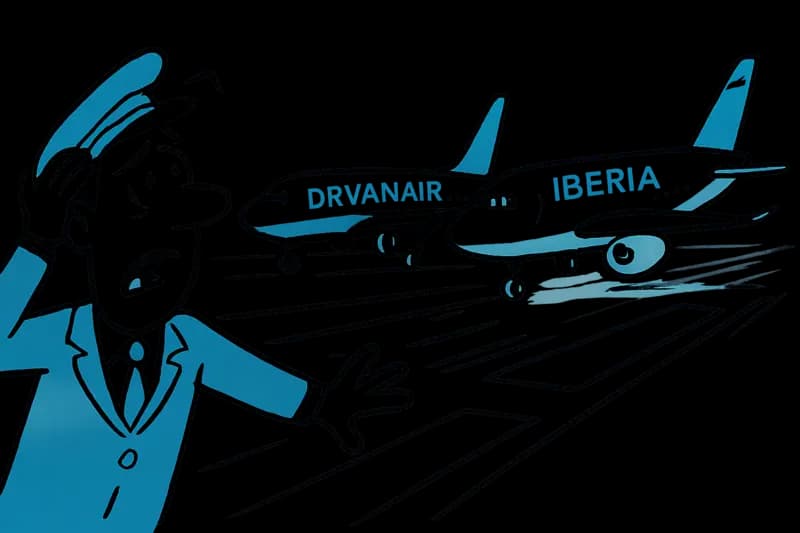
Near-miss on Lanzarote: Landing Ryanair Jet and Iberia Takeoff — what really went wrong
On Lanzarote there was a dangerous incident: A Ryanair flight (FR5910) from Dublin landed on runway 03 while an Iberia E...
Eurowings introduces new Premium Business seats on Mallorca routes
From December 1, selected Eurowings flights to Palma and other destinations will feature eight particularly generous sea...
More to explore
Discover more interesting content

Can Cap de Bou

Townhouse Lleo 72
