
Assault on Calle General Riera: What is missing to make us feel safe at our front door?
Assault on Calle General Riera: What is missing to make us feel safe at our front door?
Nighttime assault in Palma: A woman was attacked from behind in front of her home; the perpetrator later had to present himself to the police. A reality check on causes, gaps in public debate, and concrete steps for greater safety.
Assault on Calle General Riera: What is missing to make us feel safe at our front door?
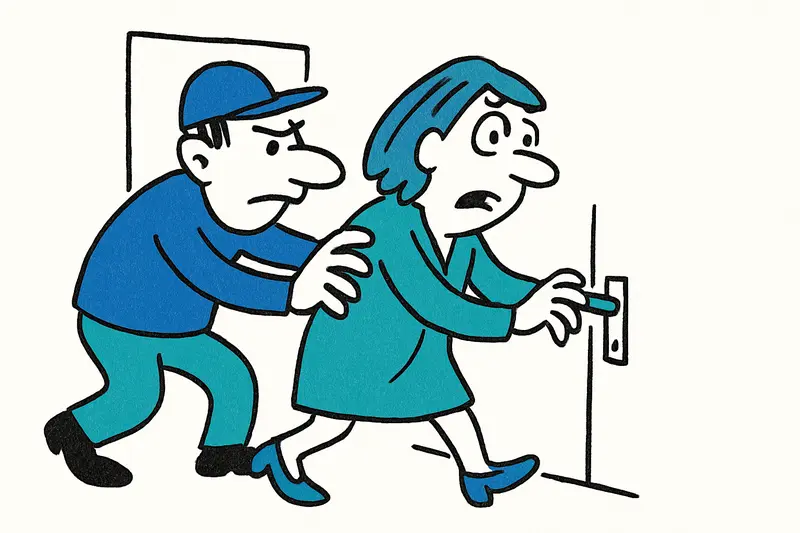
In the early hours of a Sunday, an assault occurred on Calle General Riera in Palma: a woman who was about to open her front door was attacked from behind; the perpetrator touched her and then displayed sexual behavior near the entrance. She fled, alerted passers-by and the police. Thanks to a description, patrol cars searched the area, found a young man acting suspiciously nearby, and he was ultimately arrested.
Key question
How can we prevent people from becoming victims of such attacks in front of their own homes — and why is the topic often dismissed too quickly in the city's public discussion?
Critical analysis
The incident on General Riera is not an isolated “night story”; it mirrors other recent incidents, such as the nighttime attack on the Paseo Marítimo, and reveals a number of structural weaknesses. First: nighttime is a risk factor — poor lighting and empty streets make assaults easier. Second: short-distance victim locations like doorways are harder to monitor because they sit in a gray zone between public space and private property. Third: the police response in this case was swift and effective, but prevention remains inadequate, as highlighted after nighttime break-ins in Palma. This is not just about the intervention of emergency services, but about urban planning, preventive presence, and the culture of how we as a neighborhood respond to threats.
What is missing in the public discourse
Too often the debate is reduced to short-term police presence or prosecution. Less visible are questions about lighting and sightlines at doorways, immediate support for victims after an incident, and the systematic recording of such incidents at the municipal level so patterns can be identified. The reluctance to report an assault — out of shame or fear — is also hardly addressed. Without this information, precise measures cannot be planned.
An everyday scene from Palma
Picture Calle General Riera around 1:45 a.m.: a few streetlights flicker, the sounds of the last buses and a lone garbage truck trundling down the road. The doors of many apartment buildings are half open, people fumble for their keys, the corner bakery is still dark. In such a setting a single attacker seems small — and threateningly close; incidents like the watch theft in Palma's Old Town show how quickly a single act can escalate. The neighborhood dogs bark, an older woman waits at the taxi rank, young people slip past closed cafés. Exactly in that narrow time window it happens: a quick touch, a moment of panic, the flight to the street.
Concrete solutions
- Better lighting and regular inspection of street lamps in residential neighborhoods; map problem spots and prioritize. - Improve sightlines at building entrances: place bushes and bins so that no hiding spots are close to the door. - More police foot patrols at problem times, combined with anonymous reporting channels for nighttime incidents. - Local neighborhood networks and apps that quickly spread danger alerts, plus clear information on how victims can get support. - Training in quick first response — not medical, but practical: how to react when someone calls for help, how to secure the scene, how to accompany the person until the police arrive. - Publicly funded awareness campaigns that make clear: reporting is possible and supported; shame must not override protection.
Why this can help
A combination of urban planning, preventive police presence and practical neighborhood structures increases the likelihood of preventing assaults early or of apprehending perpetrators quickly. At the same time, visible support lowers the threshold for victims to report incidents — crucial so authorities can detect patterns and deploy resources in a targeted way.
Pointed conclusion
The grab at the doorstep is a warning signal: Palma needs more than nighttime police raids. It needs a city where entrances are visible, streets are well lit and neighborhoods are vigilant — and where people who experience violence find reduced barriers to protection and support.
Frequently asked questions
How can people feel safer at apartment entrances in Palma at night?
Is it safe to walk home alone in Palma late at night?
What should you do if someone approaches you aggressively at your front door in Mallorca?
Why are doorway assaults in Palma harder to prevent than attacks in public places?
What makes nightlife areas in Palma more vulnerable to assaults?
Should residents in Palma report assaults even if they feel ashamed or unsure?
What kind of street design can reduce attacks near homes in Mallorca?
What support is useful after a violent incident in Palma?
Similar News
More water than last year: Mallorca's reservoirs breathe easier
September rain refilled the Tramuntana's reserves: overall fill around 35 percent, Cúber at 40.42 percent, Gorg Blau at ...
Three Luxury Hotels in Banyalbufar: Lots of Money, Many Questions
A Danish investor plans three exclusive accommodations in Banyalbufar — including the historic Son Valentí. The announce...
2.1 tonnes of cocaine on sailing yacht off Spain's coast – a reality check for the coastguard
A 14-metre yacht was seized with 2.1 tonnes of cocaine. Who monitors the ports, how does the international hunt succeed ...

Heat Bonus in Mallorca: 100 Euros Extra for Outdoor Staff at MarSenses
MarSenses pays employees who worked outdoors in August an extra €100 as recognition. Lighter uniforms, reduced hours for...
Renovating in Mallorca: What You Really Can Do Without Neighbour Consent
Many think they can do whatever they want in their apartment. That's partly true — but only as long as structural elemen...
More to explore
Discover more interesting content

Can Cap de Bou

Townhouse Lleo 72
