
Attempted robbery over Serrano: Knife, fear and the question of protection in Palma
Attempted robbery over Serrano: Knife, fear and the question of protection in Palma
In Palma, a man reportedly tried to steal six packs of Serrano ham and threatened staff with a knife. The National Police arrested him near the old prison. A reality check: What is missing in protecting shop staff and how can such incidents be prevented?
Attempted robbery over Serrano: Knife, fear and the question of protection in Palma
National Police arrest suspect after threat with a pocket knife
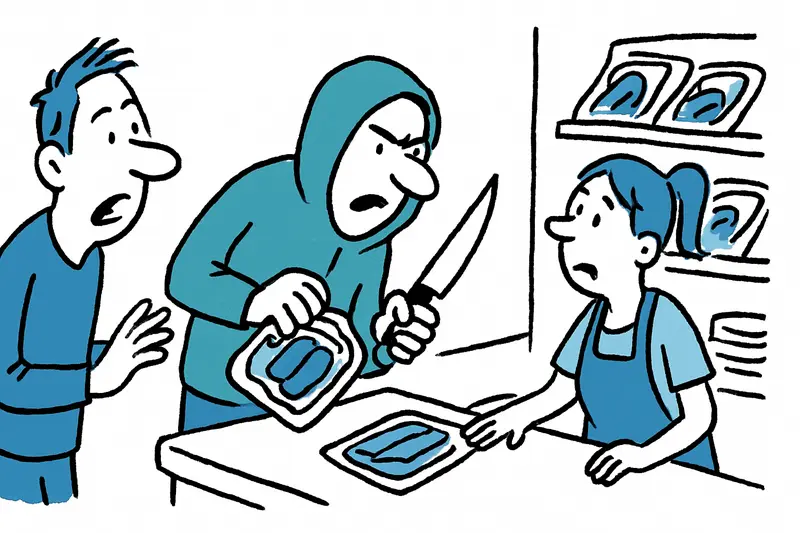
A short, hectic Saturday morning in the shop: cold neon light, the counter with air-dried Serrano, voices at the checkout, outside a bus leaving along the Passeig — this is how a normal workday in Palma often begins. This time it ended with an emergency call. According to the available reports, a man attempted to steal six packs of Serrano ham from a store and threatened the staff with a bladed weapon. The National Police later found the suspect near the old prison, armed with a pocket knife. He was arrested; the charge is robbery with violence.
Key question: Why does a comparatively small theft escalate so quickly, and what is missing in our public conversation about security, prevention and care for the most vulnerable?
Critical analysis: At first glance the act seems trivial — six packs of ham. But once a knife is involved, the danger for staff and customers rises immediately. The case reveals two levels: the immediate police response and the broader causes that lead to such acts. The quick arrest near the old prison points to effective investigative steps, similar to an arrest after a knife attack in Pere Garau. What the reports do not show is whether there were visible security measures in the shop (panic button, clear checkout sightlines, staff training) or whether the accused acted out of homelessness, addiction or acute need. These are precisely the gaps missing from the public discourse.
What is often left out of the debate: the safety of shop staff becomes a topic regularly after an incident, then fades again. The role of preventive municipal measures — from social work to clearly visible support services in problem areas — is rarely systematically linked to concrete security measures in stores; the Palma trial that put protection of the elderly at the center is one example. Another blind spot is the question of legal availability of knives: small pocket knives are easy to obtain and increase the risk in any confrontation, as highlighted by the Knife attack near Costitx: How Secure Are Protective Orders in Mallorca?.
Everyday scene from Mallorca: half past eight in the morning at the counter of a small grocery store in Palma. The radio plays softly, the smell of fresh bread mixes with the sharp aroma of Serrano. A saleswoman stocks shelves, a colleague serves a tourist. A man quickly grabs several packs of ham, the saleswoman asks for the receipt — moments later the knife is on the counter. Seconds that feel like minutes. The cashier presses the alarm unseen, a car horns outside, a neighbor glances through the window. Such scenes are closer to reality than headlines suggest.
Concrete solutions: First, simple security measures in shops: clearly visible panic buttons at the checkout, unobstructed sightlines to the door, video surveillance with a clear data-protection statement and regular de-escalation training for staff. Second, municipal responsibility: more social workers and street outreach teams in problem neighborhoods, concrete offers for people in acute need, and information campaigns about where help can be found. Third, legal measures: refreshing programs for weapons and knife control combined with buy-back or amnesty actions can reduce availability. Fourth, cooperation: shopkeeper associations and the police should agree on fixed reporting and support channels so that after an incident counseling and psychological first aid arrive quickly.
What to do immediately: Businesses should check whether employees have access to emergency buttons and short de-escalation courses. The city could promptly monitor the areas around the old prison and position social services more specifically there. The police can analyze such operations and share anonymized findings with businesses: which patterns repeat, when do incidents cluster?
Pointed conclusion: The case begins with Serrano and ends — fortunately — without reported serious physical injuries. Nevertheless it is a wake-up call. Not every act is an expression of malice; often it is lack, desperation or carelessness that leads to escalation. We do not need simple blame, but a pragmatic bundle of shop security, clear reporting channels, social help and municipal networking. Otherwise the only question left is: how long until the next counter becomes a hand grenade for a bad day?
Frequently asked questions
What should shop staff in Mallorca do if a robbery involves a knife?
Are small thefts in Mallorca really dangerous if a knife is involved?
What security measures help small shops in Palma reduce robbery risk?
Why do robberies in Palma often lead to wider questions about social support?
Where did the police arrest the suspect in the Palma Serrano robbery case?
How can Mallorca shops protect staff from violent thefts?
Is knife possession a concern in everyday incidents in Mallorca?
What can the city of Palma do after a robbery incident to improve safety?
Similar News
Warning to Bathers: Nipping Fish in Cala Major and Other Coves — a Reality Check
In Cala Major and several beaches around Mallorca, bathers report painful “nips”. Who are the animals, why are they gett...

Rental Car Theft in El Arenal: What This Incident Reveals About Our Gaps
A teenager steals a running rental car in El Arenal, flees on foot, climbs over walls and is caught by the Guardia Civil...

Red Rope in Palma's Library: What Helps Against Selfie Tourism — and What's Missing
Palma's city library cordoned off an area with a red rope to keep selfie tourism away from reading and working activitie...

Fort San Carlos: Museum, Harbor Dispute — and a Conflict That Demands Answers
The military museum at Fort San Carlos sits right on Palma's harbor, with unexpectedly quiet rooms filled with cannons a...
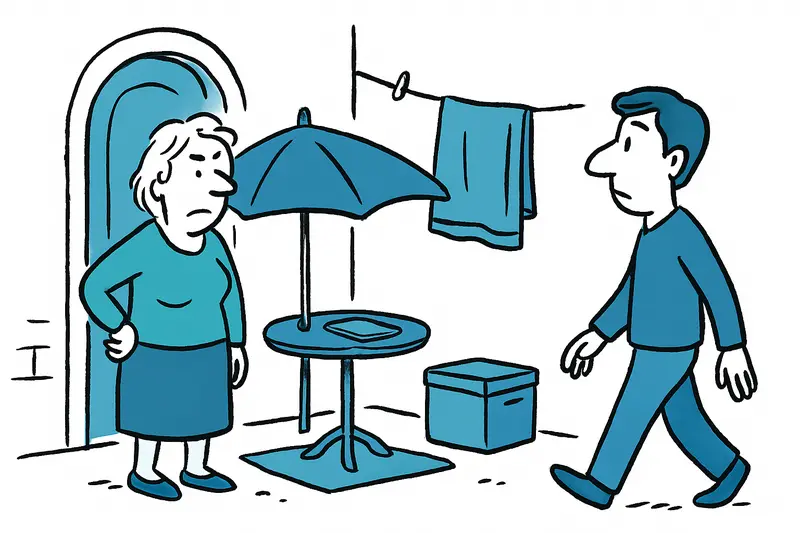
Old Town Under Pressure: When a Doorway Becomes a Sleeping and Shower Place
For months a woman has been living with a parasol, a clothes rack and personal belongings next to the social welfare off...
More to explore
Discover more interesting content

Can Cap de Bou

Townhouse Lleo 72
