
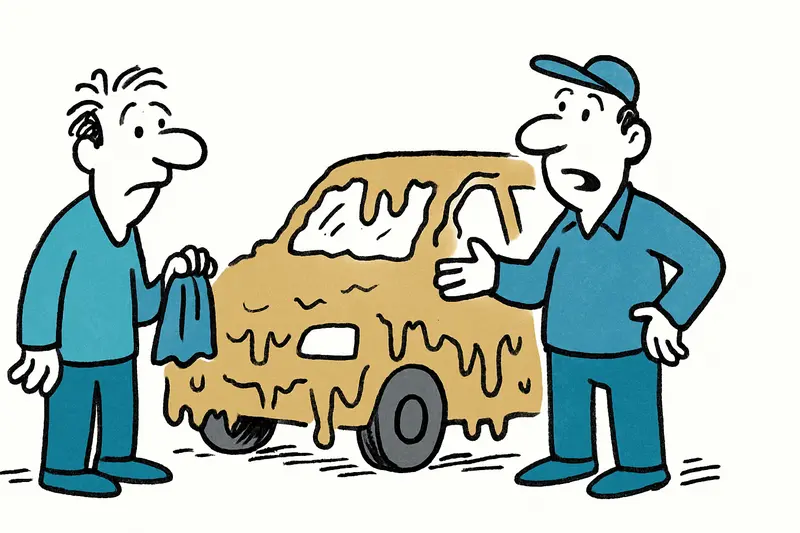
Saharan dust and mud rain: How well is Mallorca really prepared?
Saharan dust and mud rain: How well is Mallorca really prepared?
Satellites show dense Saharan dust over the island, AEMET warns of mud rain from Thursday. One question: Do authorities, businesses and residents have a plan for the dirt, the health risks and the consequences for transport and agriculture?
Saharan dust and mud rain: How well is Mallorca really prepared?
Key question: Is Mallorca prepared for the combination of heavy dust loads and the forecast mud rain so that people, traffic and businesses do not suffer unnecessarily?
The sky over Palma has looked muted for days, the sun barely penetrating a veil of sand and moisture. AEMET reports a Saharan dust influx expected to last until Thursday; then showers and thunderstorms are predicted to wash the dust out of the air, possibly as so‑called clay or mud rain, a phenomenon covered in Mud Rain and Saharan Dust: Why the Weather Change Is Stirring Mallorca, and regional outlets have noted an Atlantic front bringing similar conditions in Cold snap and mud rain: Atlantic front puts Mallorca to the test. In the meantime temperatures will briefly rise again to around 22 °C, while nights have recently been about 14 °C.
The scene is familiar, for some almost routine: buses on Passeig Mallorca spit fine dirt onto the curbs when they start, vendors at the Mercat de l'Olivar wipe stalls with damp cloths to remove yellow grains of sand from oranges and fish. In Cala Major the sand on sunbeds dries into a brown film, and queues form at car wash stations as soon as the first drops fall.
Critical analysis: the problem has two sides. In the short term, high dust levels worsen air quality, increase irritation for people with asthma or bronchitis and may force vulnerable individuals to seek indoor protection. In the medium term, mud rain creates cleaning needs and material damage: stained terraces, dirty solar panels, clogged gutters. For roads and traffic the combination of rain and fine sand is particularly treacherous – slippery stretches, dirty windscreens and more breakdowns can be expected.
What is often missing from the debate: clear figures and practical recommendations for different groups. AEMET provides forecasts for dust layers and probability of precipitation, a point also discussed in Mud Rain over Mallorca: How Resilient Is the Island to Sahara Dust?. But how well do particulate monitoring networks (PM10/PM2.5) work in practice? Where are protected spaces for the most affected? Who pays for cleaning large parking areas or for replacing contaminated filtration systems in businesses?
Concrete problems at municipal and operator level emerge quickly: cleaning companies are budgeted seasonally, hotels staff according to bookings, and car washes have peak capacities. If everyone wants to wash their car the same day, the infrastructure stalls. Agricultural operations experience residue build‑up on crops, and beekeepers see dirt on combs. Such consequences are rarely part of public planning, even though they cause costs and frustration.
Practical suggestions that could help immediately: municipalities should automatically forward AEMET warnings to households and businesses and give clear behavioral advice (close windows, protect outdoor furniture, park vehicles in garages if possible). Schools and care homes could move activities indoors when fine particulate (PM) levels rise. For traffic, temporary adjustments to street cleaning on heavily used routes and enhanced warnings at traffic lights and parking areas could help.
For businesses and private households: staggered cleaning plans for solar panels instead of mass requests, flexible booking systems for car washes, and local support for farmers (short‑term help cleaning equipment and greenhouses). Technically sensible measures such as simple pre‑filters for ventilation systems in public buildings are inexpensive and would especially protect at‑risk groups.
Is there also a missing central coordination point where municipalities, health services and AEMET data come together? A municipal dashboard with current PM values, recommendations and contact details for cleaning services could shorten decision paths – and prevent everyone from acting at once when the first rain falls.
Conclusion: Saharan dust and the upcoming mud rain are not a surprise; they recur seasonally. Nevertheless the situation reveals gaps in coordination and preparedness: from health protection measures to infrastructure maintenance and support for businesses and farmers. The island does not need panic, but practical short‑term rules and better coordination between the weather service, authorities and everyday life on the street, a concern echoed in Storm Alert: Is Mallorca Prepared for the Deluge?. Otherwise you'll soon be standing with a cloth in your hand at the car wash again wondering why no one issued a plan beforehand.
Frequently asked questions
What should people in Mallorca do when Saharan dust is affecting the air?
Is mud rain common in Mallorca after Saharan dust?
Does Saharan dust in Mallorca affect people with asthma or bronchitis?
What kind of weather changes usually follow Saharan dust in Mallorca?
How does mud rain in Mallorca affect cars and roads?
What should homeowners in Mallorca protect before mud rain arrives?
Which parts of Mallorca are likely to notice Saharan dust the most?
Are businesses in Mallorca prepared for mud rain and dust events?
Similar News

Rental Car Theft in El Arenal: What This Incident Reveals About Our Gaps
A teenager steals a running rental car in El Arenal, flees on foot, climbs over walls and is caught by the Guardia Civil...
Red Rope in Palma's Library: What Helps Against Selfie Tourism — and What's Missing
Palma's city library cordoned off an area with a red rope to keep selfie tourism away from reading and working activitie...
Fort San Carlos: Museum, Harbor Dispute — and a Conflict That Demands Answers
The military museum at Fort San Carlos sits right on Palma's harbor, with unexpectedly quiet rooms filled with cannons a...
Old Town Under Pressure: When a Doorway Becomes a Sleeping and Shower Place
For months a woman has been living with a parasol, a clothes rack and personal belongings next to the social welfare off...
When Shopping Weighs Heavier: Mallorca Demands a Tax Pause on Food and Fuel
Rising prices are putting pressure on households and agriculture. The Balearic Islands are calling for temporary tax rel...
More to explore
Discover more interesting content

Can Cap de Bou

Townhouse Lleo 72
