

Fewer Seniors in Mallorca: Opportunity or a Ticking Gap?
Mallorca is statistically getting younger — but does that ease worries about care, income and services in the villages? A sober statistic hides concrete challenges and specific solutions.
Fewer seniors — and now? The key question every planner should be asking
The latest figures show: a smaller share of older people live in the Balearic Islands than a few years ago. At first glance the city celebrates: full playgrounds, more young families on the plaza and cafés powered by the morning scent of coffee. But the key question remains: does a younger population really relieve the island — or does it only mask growing problems that will soon become louder?
What Palma’s streets reveal
A walk through La Lonja in the morning: children’s laughter mixes with the clatter of coffee cups, and the market hall smells of freshly baked ensaimadas. At some tables there appear to be fewer retirees than ten years ago. Such scenes are not just statistics; they are a feeling of life — and they match the current data. But they also show: the island is changing its needs, not just its age structure.
Fewer seniors does not automatically mean less demand
Behind the simple numbers lie several layers: higher birth rates and internal migration lead to a younger permanent resident population. At the same time, seasonal dynamics remain huge: seasonal workers, second-home owners and many who partially move to the mainland as retirees alter the picture. This mix affects provision, infrastructure and the labor market in different ways — and not always to the benefit of local public services, as When Mallorca Grows: Strategies for an Island in Transition explains.
The invisible consequences: care, poverty, care gaps
A point rarely discussed loudly: many pensions in the Balearics are low — often below €1,400 per month. That is more than a number; it is a systemic risk. If only around 38 percent of those in need of care are covered by professional services, the bulk of care remains in the hands of families. That means a double burden for intergenerational carers, mostly women, and a growing need for flexible, affordable care services. More information on this can be found in this article.
Underappreciated risks beyond the statistics
Several risks receive little public attention: first, the security of services in remote villages in the north if care workers are lacking; second, the strain on the middle generation that cares for both children and older relatives; third, the slow emergence of accessible housing, local supply networks and communal living arrangements for older people. A deeper look at these topics is available in Who Shapes Mallorca's Streets? A Reality Check on Island Demographics.
Why a younger demographic does not automatically relieve pressure
Young people are not an automatic reserve of carers. Many jobs on the island are seasonal and low-paid — that leaves little room for long-term care commitments or unpaid family caregiving. Young parents need daycare and flexible working conditions, but they will also be needed if grandparents require care. Without integrated planning these needs quickly clash and invisible service gaps arise, which are addressed in When the Surroundings Overtake Palma: Opportunities, Risks and the Quiet Revolution on the Island.
Concrete measures instead of feel-good statistics
Rather than celebrating the falling share of seniors, Mallorca needs pragmatic solutions: mobile care teams that visit remote villages regularly; regional training centers for care professions combined with incentive models for longer-term work on the island; financial support for informal caregivers; municipal coordination offices that plan childcare and eldercare together.
Practical examples that could work here
A concrete local idea: a bus equipped for care services and physiotherapy that visits small towns once a week — physiotherapy for seniors, short consultations, medication distribution. Or municipal subsidies for part-time care workers tied to affordable housing near clinics. Day centers that offer morning childcare and organize afternoon activities for seniors — gathering places instead of a two-tier system.
Politics, municipalities and business must come together
The responsibility does not lie with Palma alone. Town halls from Alcúdia to Sant Antoni must cooperate: short-term visible measures like more daycare centers and playgrounds are important. In the long term, however, pension levels, attracting skilled workers and recognizing informal care work as an economic factor matter. Without this balance, silent burdens threaten households that are not visible from the outside.
Conclusion: a younger island — a smart balance is needed
Statistically the island is younger — that is an opportunity and potential: more economic strength, livelier squares, culture. But the real task is to maintain balance: secure quality of life for younger people without hollowing out care for older residents. Otherwise the bustling market scene remains only a pleasant façade while families juggle in silence and people in need of care fall into gaps.
Those who walk Palma’s streets feel the liveliness. The question is whether we use that energy to build structures that provide genuine support for all generations.
Frequently asked questions
Is Mallorca actually getting younger, and what does that mean for everyday life on the island?
Why doesn’t a younger population in Mallorca automatically mean less pressure on public services?
How good is elderly care in Mallorca, and where are the gaps?
Why is family caregiving such a big issue in Mallorca?
What are the biggest planning challenges for Mallorca’s smaller villages?
What can Palma’s streets tell us about life in Mallorca today?
What kind of care support would help Mallorca most?
Are lower pensions a problem for older people living in Mallorca?
Similar News
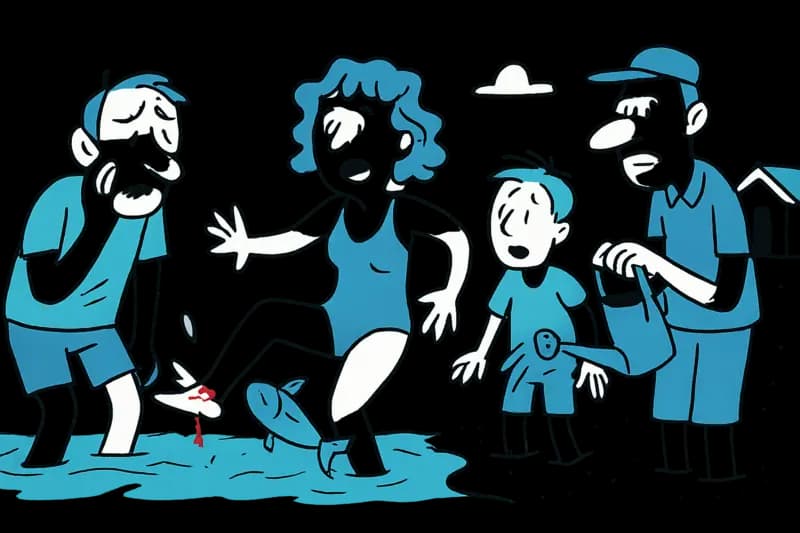
Why the Striped Breams in Cala Pí Should Be a Wake-up Call
Once again bathers in Cala Pí were surrounded while swimming by small, nippy fish — some wounds bled. Time for clear rul...

Daily from New York: How Palma's Air Traffic Is Growing — and What Must Change
United will increase the Newark–Palma service to daily flights in 2027 (Boeing, 231 seats). Strong tourist numbers clash...

When Love Ends in Shards: Destruction in Son Vida and the Questions That Remain
In Son Vida a relationship dispute escalated: a woman destroyed furniture in a luxury villa, later pressed a panic butto...
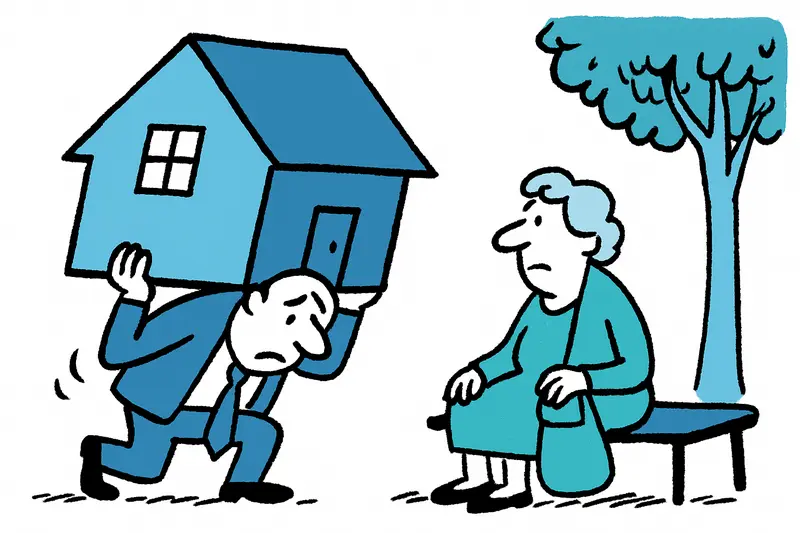
Who Bears the Burden? Mallorca Between Tenant Protection and Landlord Fears
Madrid's new housing decrees strengthen tenant rights — but on Mallorca concern is growing: will the law drive small lan...
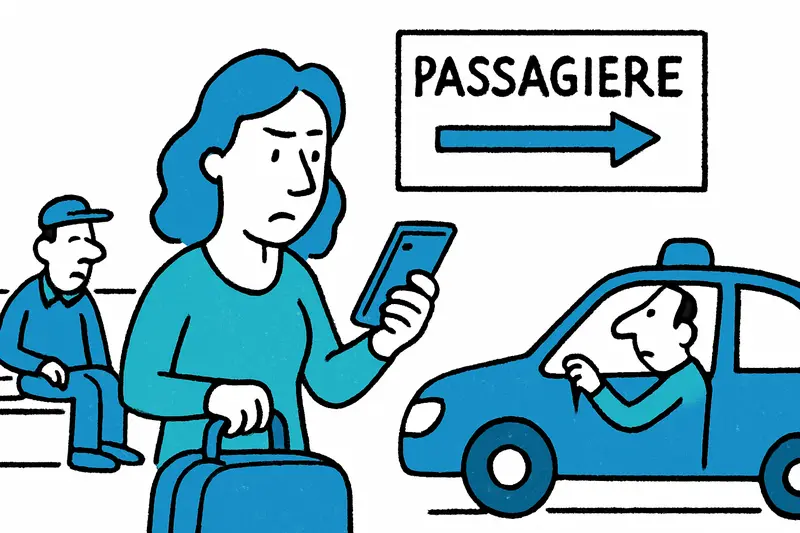
On the Edge: What Mallorca's Airport Loses If a Major Low-Cost Carrier Falters
The company that operates numerous connections from Palma to France and domestically is negotiating with creditors to re...
More to explore
Discover more interesting content

Can Cap de Bou

Townhouse Lleo 72
