
Balearic Islands: Strong Wind and Storms — 83 Incidents in One Night
Balearic Islands: Strong Wind and Storms — 83 Incidents in One Night
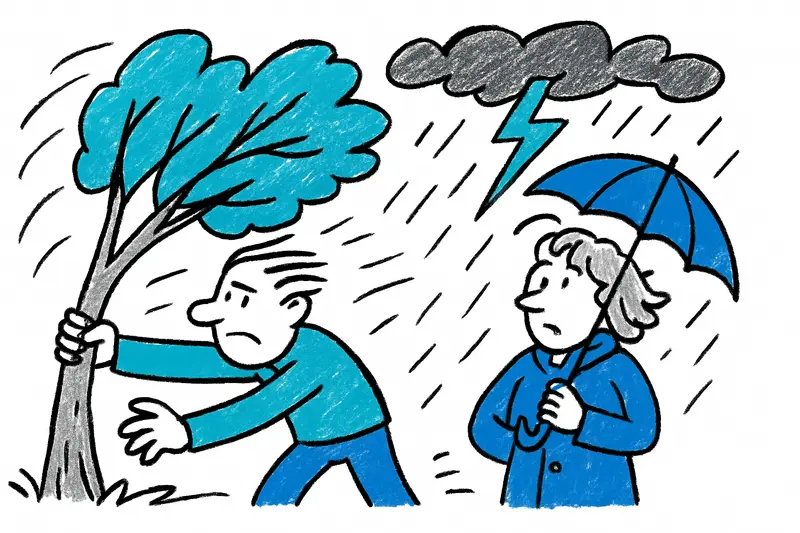
Between 6 pm and 6 am the emergency services logged 83 incidents across the Balearic Islands — mainly fallen trees and blocked roads. Another storm, "Joseph", is already forecast for tomorrow. Key question: Are we prepared for such events?
Balearic Islands: Strong Wind and Storms — 83 Incidents in One Night
Key question: Are our roads, ports and emergency services prepared for such rapid storm impacts?
In the night leading to today, strong winds and thunderstorms threw the islands into disarray. Between 6 pm and 6 am the emergency call center recorded a total of 83 incidents: 53 on Ibiza, 30 on Mallorca. Most involved fallen trees, scattered branches and traffic obstructions. On Ibiza the port was closed until about 10:30 pm; on Mallorca there were localized disruptions on access roads and near promenades, as highlighted by Night Storm Hits Andratx and Calvià — Are We Really Prepared?.
I know the scene well: on the Paseo Marítimo in Palma a swing rattled against a lamppost, delivery vans drove more slowly than usual, and fire crews cleared sections of pavement in small teams. A woman pulled her dog closer on the leash because a large branch had fallen on a bus shelter. Such images repeat year after year, but the intervals between storms seem to be getting shorter.
The immediate analysis is straightforward: gusts and thunderstorms create a high risk for roadside trees, temporary barriers and carelessly parked vehicles. When port facilities are temporarily closed, not only ferry connections are affected but also the logistics for supplies. Emergency services work quickly, but they are also stretched by simultaneous responses on several islands, as reported in Over 100 emergency responses after storm in the Balearic Islands – What now matters for Mallorca.
What is often missing in public debate is the question of prevention rather than just cleanup. It's not only about how quickly a fallen tree is removed, but why so many trees at road edges fail at critical moments: maintenance condition, root space, age and improper pruning play a role. Coordination between port authorities, road maintenance departments and fire services sometimes appears more reactive than proactive.
Specific weaknesses that became more apparent: lack of temporary information for residents (which roads remain closed?), missing alternative routes for trucks, and the fact that some municipalities have only limited capacity to quickly clear access routes. Residents also report confusing warning communication: a push notification or a clear alert on local radio channels is often missing.
What can be improved locally? First: targeted roadside tree inspections before storm season — not just routine trimming, but expert assessment of which trees can no longer withstand strong gusts. Second: clearer port protocols with transparent times indicating when closures can be expected and which ferries may be affected. Third: mobile information points and an SMS/push chain for affected neighborhoods so residents are not surprised in the middle of the night. Fourth: a pool of listed private companies and volunteer groups that can provide clearing equipment on short notice after an alert.
On site pragmatic measures are also needed: parking bans under old trees on high-wind days, temporary closures on promenades and a simple map with "safe refuge points" in every village listing local meeting places and emergency shelters. Technically useful would also be better live maps of AEMET warning levels linked to municipal traffic control centers — see Storm warning in Mallorca: Is the island prepared for wind and rain? — so responders can see where gusts have recently caused reports of damage.
Another point: signage at approaches to ports and promenades is often bilingual, but not designed to convey quick behavioral instructions. Short pictograms — "no parking", "avoid waterfront", "nearest emergency exit" — can help prevent confusion on stormy nights.
Responsibility does not rest solely with rescue services. Municipalities must build structural capacity: budgets for tree maintenance, regular risk analyses for roadside trees, an updated crisis plan that brings together port, road and health services. Citizens can help by reporting when a tree shows cracks or hollows instead of only reacting after it falls.
Conclusion: The high number of 83 incidents in one night is not an accident but an indication that we need to link reacting better with prevention. Tomorrow the storm "Joseph" is approaching with forecast gusts of 70 to 80 km/h — a test for the practical improvements that should be planned now. If you walk through Palma you sometimes still hear the aftershock in the form of branches falling into the streets. It would be better if they never came loose in the first place.
Frequently asked questions
How bad are storm disruptions in Mallorca during strong wind and thunderstorms?
Is it safe to drive in Mallorca when there is a strong wind warning?
What usually happens to ports in Mallorca during a storm?
Why do trees and branches cause so many storm incidents in Mallorca?
What should residents in Mallorca do when a storm warning is issued?
Which parts of Palma are most affected by strong wind and storms?
How well are Mallorca’s emergency services prepared for sudden storm damage?
What can residents do to report storm damage in Mallorca?
Similar News
More water than last year: Mallorca's reservoirs breathe easier
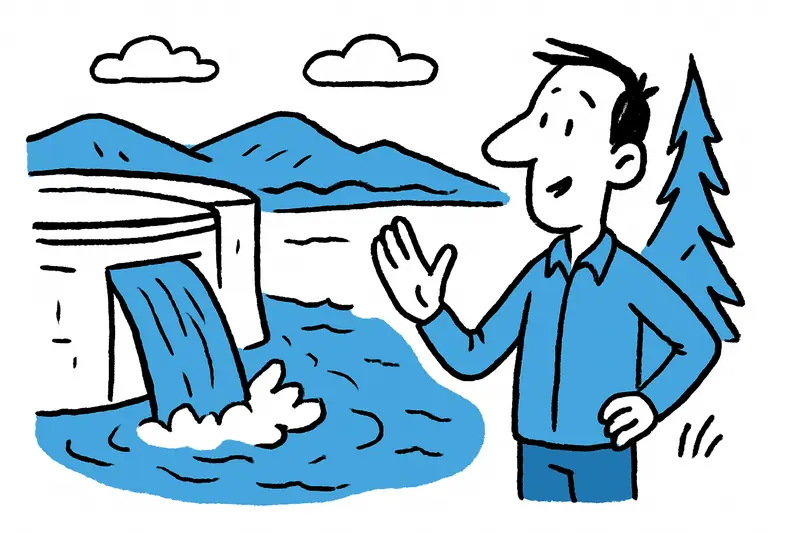
September rain refilled the Tramuntana's reserves: overall fill around 35 percent, Cúber at 40.42 percent, Gorg Blau at ...
Three Luxury Hotels in Banyalbufar: Lots of Money, Many Questions
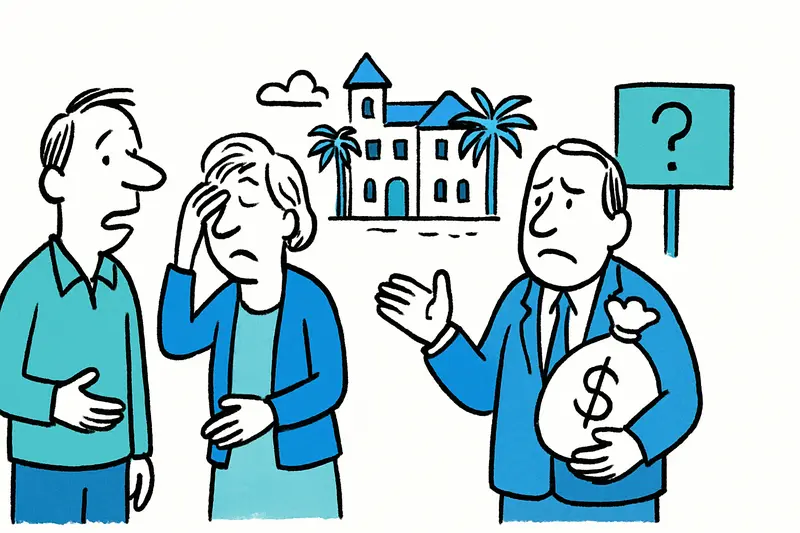
A Danish investor plans three exclusive accommodations in Banyalbufar — including the historic Son Valentí. The announce...
2.1 tonnes of cocaine on sailing yacht off Spain's coast – a reality check for the coastguard
A 14-metre yacht was seized with 2.1 tonnes of cocaine. Who monitors the ports, how does the international hunt succeed ...
Heat Bonus in Mallorca: 100 Euros Extra for Outdoor Staff at MarSenses
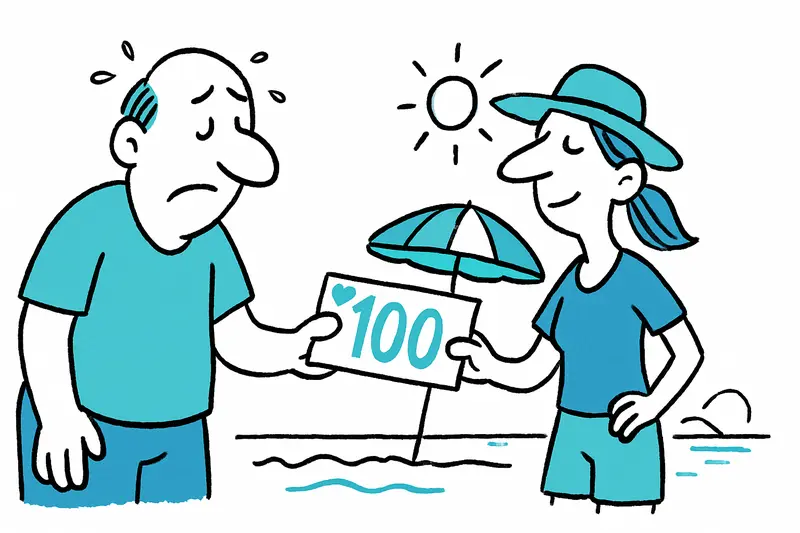
MarSenses pays employees who worked outdoors in August an extra €100 as recognition. Lighter uniforms, reduced hours for...
Renovating in Mallorca: What You Really Can Do Without Neighbour Consent
Many think they can do whatever they want in their apartment. That's partly true — but only as long as structural elemen...
More to explore
Discover more interesting content

Can Cap de Bou

Townhouse Lleo 72
