
Bloody confrontation in Palma: What's missing in the nightlife?
Bloody confrontation in Palma: What's missing in the nightlife?
A brawl at a nightclub near Joan Miró street escalated at the end of December: a woman was seriously injured with a bottle and a suspect was arrested. Why does violence repeat itself in Palma's clubs and how can nights be made safer?
Bloody confrontation in Palma: What's missing in the nightlife?
After a brawl in a nightclub on Joan Miró, a woman was hit in the head with a bottle and a suspect was arrested; the night raises questions about safety.
Key question: Why do altercations in Palma's clubs spiral out of control so quickly, and which gaps in handling violence are rarely discussed?
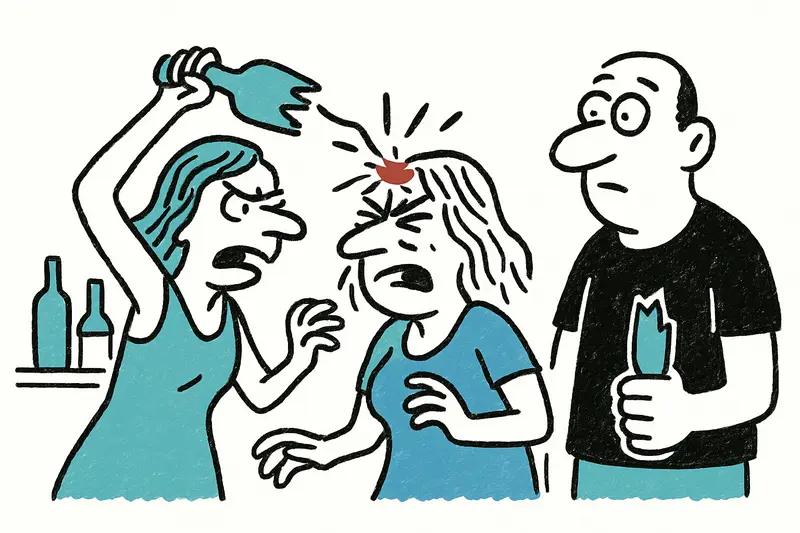
The incident took place in the early hours near Joan Miró street, after several women got into a fight in a nightclub. Witnesses report that one group of female patrons struck another woman so hard that the injured person suffered a gaping wound to her eyebrow and had to be stitched. The Spanish National Police intervened and arrested a woman who apparently struck with a bottle. Immediately after the blow, the accused handed the broken bottle to a man wearing a black T-shirt; some observers mistakenly interpreted his presence as involvement.
The bluntness of this case is alarming because it combines several familiar patterns: alcohol, confined spaces with many people, confusing escape routes and objects that can quickly become weapons (see Brawl at Playa de Palma: Why a verbal exchange could have ended fatally). An off-duty police officer was among the first to confirm the emergency call; several patrol cars arrived and requested medical assistance for the injured woman. This rapid response prevented worse outcomes — but it does not explain why the escalation was possible in the first place.
What is often missing from the public debate is the perspective of everyday logistics: How are entrances and exits regulated in Palma's clubs? How are bottles handled when tensions rise? And what does cooperation between club operators, doormen and the police actually look like? These nights on Joan Miró are increasingly populated by a mix of taxi drivers, shift workers, young tourists and locals. Outside the nightclub, searchlights and loud music mix with taxi horns and the voices of bouncers. These scenes are familiar — and they create fertile ground for misunderstandings, provocations and ultimately violence (compare Nighttime Attack on the Paseo Marítimo: How Safe Is Palma’s Party Mile Really?).
The facts of the incident also show uncertainty among witnesses: the man in the black T-shirt was initially believed to be the attacker because the broken bottle was handed to him. Such quick misjudgments can hamper investigations and burden innocent people when situations are not properly documented.
Concrete solutions would be pragmatic and locally implementable. Clubs should introduce clearly visible rules for handing in and handling bottles, for example by switching to disposable cups late at night or by creating secure collection points for glass containers. Door staff need regular training in conflict de-escalation and legally secure conduct, accompanied by a central obligation to report and document incidents. Cameras in entrance and restroom areas are legally sensitive but, in consultation with the Agencia Española de Protección de Datos, can help clarify events in targeted cases. Finally, closer coordination between nightlife venues and night-time police units makes sense: fixed contacts, short reporting channels and agreed meeting points for interventions.
Victim care must also be improved. People who are injured at night often face long waits for emergency care or are only treated the next day. Mobile medical units or a clear pathway for on-site first aid — mandatory sanitary personnel that organizers must provide — could prevent later complications.
In everyday life on Mallorca, prevention also means neighborhood work. Residents of Joan Miró know the nightly routines: cleaning vehicles in the morning, a bouncer's cigarette on the steps, the conversation between a taxi driver and a tourist. This local network could be used: observations and complaints should be taken seriously and systematically recorded so patterns can be identified before another conflict escalates (see Seven People, One Trunk: Why Palma's Nights Are More Often Going Wrong).
Conclusion: The incident in Palma is not an isolated spectacle but an indication of structural gaps in night-time operations. Rapid police presence helped prevent worse outcomes in this case — but that is not enough. Anyone who wants to make nights safer must address several issues simultaneously: transparent rules in clubs, qualified door staff, better first aid and reliable documentation. Otherwise Joan Miró will remain a street where pleasant nights can end as easily as bloody confrontations.
Concrete next steps for the city administration would include a circular email to all operators in the zone with guidelines on bottle handling, a pilot program for de-escalation courses and a meeting between police, health services and club operators within 30 days. This would make Palma not just one night safer, but gradually more reliable for everyone out at night.
Frequently asked questions
How safe is Palma nightlife at night?
What should I do if there is a fight in a nightclub in Mallorca?
Why do nightclub fights in Palma escalate so quickly?
What kind of injuries happen in Mallorca nightclub assaults?
What is special about nightlife on Joan Miró in Palma?
Do clubs in Mallorca need better bottle safety rules?
How important is first aid in Palma nightlife venues?
How can Mallorca clubs prevent violence better?
Similar News
Injured captain, big plans: Germania Mallorca before the away match in Consell
The newly founded FC Germania Mallorca travels to Consell on Saturday. Captain Bastian Müller is out injured, but coach ...
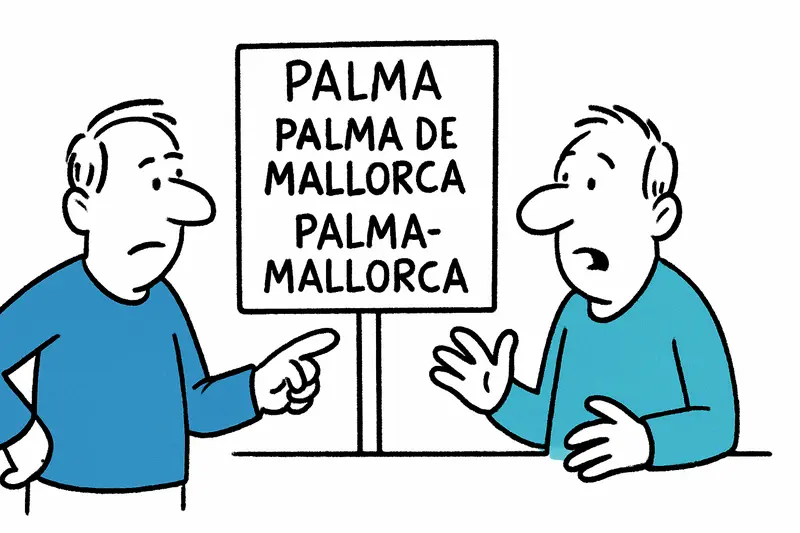
Palma, Palma de Mallorca, Palma‑Mallorca: What is it really about?
The debate over the city's name is more than grammar: it concerns identity, law and branding policy. A sober reality che...
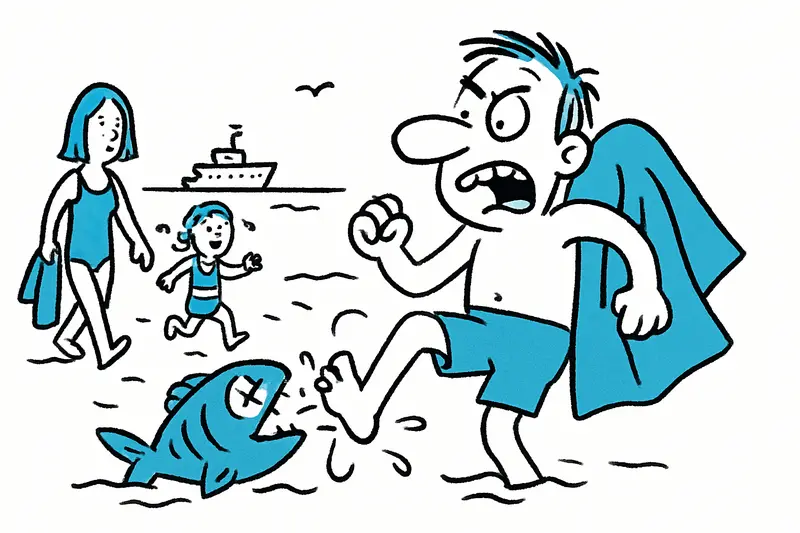
Warning to Bathers: Nipping Fish in Cala Major and Other Coves — a Reality Check
In Cala Major and several beaches around Mallorca, bathers report painful “nips”. Who are the animals, why are they gett...
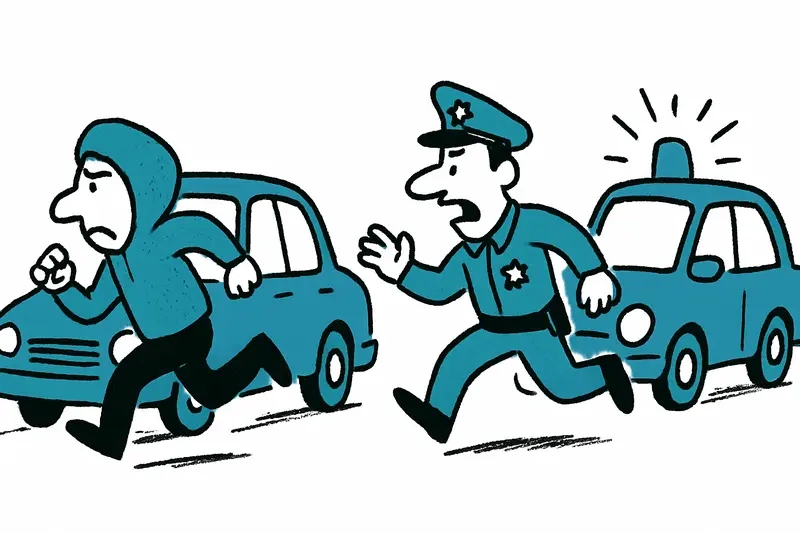
Rental Car Theft in El Arenal: What This Incident Reveals About Our Gaps
A teenager steals a running rental car in El Arenal, flees on foot, climbs over walls and is caught by the Guardia Civil...
Red Rope in Palma's Library: What Helps Against Selfie Tourism — and What's Missing
Palma's city library cordoned off an area with a red rope to keep selfie tourism away from reading and working activitie...
More to explore
Discover more interesting content

Can Cap de Bou

Townhouse Lleo 72
