
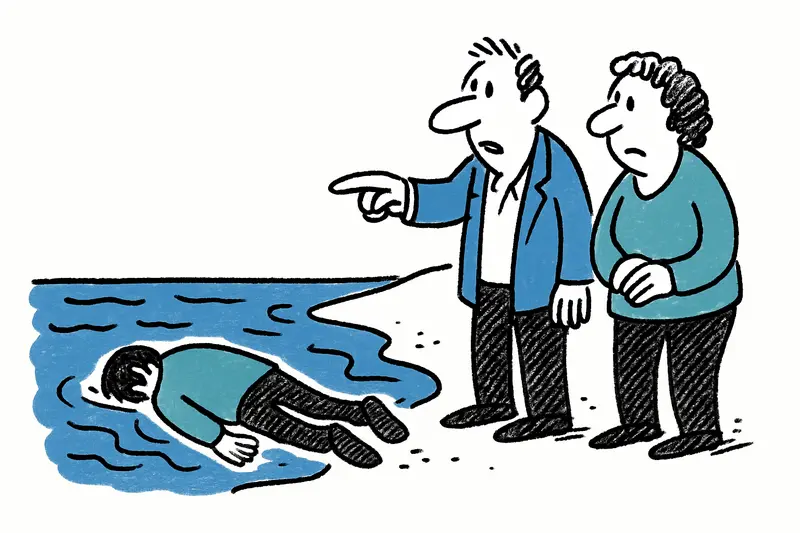
Body off Cala Millor: A death and the questions we must ask
Body off Cala Millor: A death and the questions we must ask
This morning a body was recovered from the sea off Punta de n'Amer. Was it a failed crossing attempt? Who protects people at sea and prevents such tragedies?
Body off Cala Millor: A death and the questions we must ask
A discovery at Punta de n'Amer raises direct questions
Key question: How could a person die in the waters between Cala Millor and Sa Coma without rescue or preventive measures having prevented it?
On the morning of December 29 a witness discovered a floating body near Punta de n'Amer at around 9:45 a.m. The Guardia Civil's Special Underwater Operations Unit (GEAS) recovered the man; the body was brought ashore to Cala Rajada and handed over to the Institute of Forensic Medicine for examination. Officials state that everything points to the possibility that the person may have been attempting to reach the Balearic Islands by boat.
The scene on the coast was typically wintry: cool air, a few walkers on the Cala Millor promenade, a fisherman rolling up his net, and the distant cry of seagulls. Such scenes make the discovery of a body particularly striking. The corpse is not just a news item — it is a reminder of the dangers at sea, of people, and of gaps in preventive work.
Critical analysis: Authorities carried out tracing and recovery correctly, as evidenced by the deployment of GEAS. What the public does not know, however, are the circumstances before the discovery: how long had the body been drifting? Were there sighting reports or alarms earlier in the night? Was a distress call made? In possible sea crossings during winter, low visibility and cold play an immense role in survival chances — these are factors that urgently need more transparent investigation.
What is missing from the public discourse: reliable figures on winter crossings, binding information on investigation standards for finds on beaches, and clear communication about how the rescue chain works in such cases. Also often missing is a focus on preventive measures: where do boats and people come from, how is maritime rescue organised during off-peak times, and how are reports from the public systematically recorded and followed up? This need is underscored by reporting on past incidents such as A refugee boat capsizes off Cala Millor: one person dies, several seriously injured.
An everyday scene from Mallorca that makes the issue tangible: on a typical December morning the owner of a small bar on Cala Millor's main road sits sheltered from the wind behind the window and hears the sirens of an emergency vehicle while customers sip their café con leche. Conversations fall silent, eyes turn toward the sea. This neighbourhood proximity shows how deeply such incidents affect the island community — a reality echoed in coverage like Cala Blava: A Day at the Beach Ends in Death — Who Must Act? — and how quickly they can slip into a judicial and logistical silence.
Concrete approaches we should initiate: better warning systems along the coasts, agreed reporting chains for sightings (including outside peak hours), increased cooperation between the coast guard, Guardia Civil, municipalities and volunteer rescuers, and low-threshold information offers for local observers. At the political level there is a need for registered, safe reception channels for people fleeing war or poverty — so that not every crossing becomes a gamble. Technically, inexpensive AIS trackers for small boats, more radar and satellite sensor capabilities to detect vessels, and improved training for rescue personnel on inhospitable coastlines could help; better documentation would also help in cases like Two Dead on Balearic Coasts: When the Sea Withholds Answers.
In addition, municipalities on the east coast should consider how to document sightings: simple apps or hotlines that ask for clear details about position, time and observation could turn reports more quickly into rescue operations. And finally: open, respectful communication from the authorities about investigation results, without speculation but with facts, is important for public trust.
Punchy conclusion: The discovery off Punta de n'Amer is a tragic isolated case — and at the same time a symptom. It shows how closely human fates are linked to structures of rescue, prevention and politics. Anyone walking on our beaches in winter should know: the sea does not forget, and the response to this case must be more than a closed investigation. We need clear information, better detection and reporting channels, and a pragmatic debate on how we can reach people in distress at sea earlier.
Frequently asked questions
What should you do if you see a body or a person in distress at sea in Mallorca?
Is winter swimming in Mallorca safe?
Why are sea rescues around Mallorca often more difficult in winter?
What is Punta de n'Amer near Cala Millor known for?
What happens after a body is found off the coast of Mallorca?
Can people trying to reach Mallorca by boat be at higher risk in winter?
How can Mallorca improve coastal warning and reporting systems?
Why do incidents near Cala Millor affect the local community so strongly?
Similar News
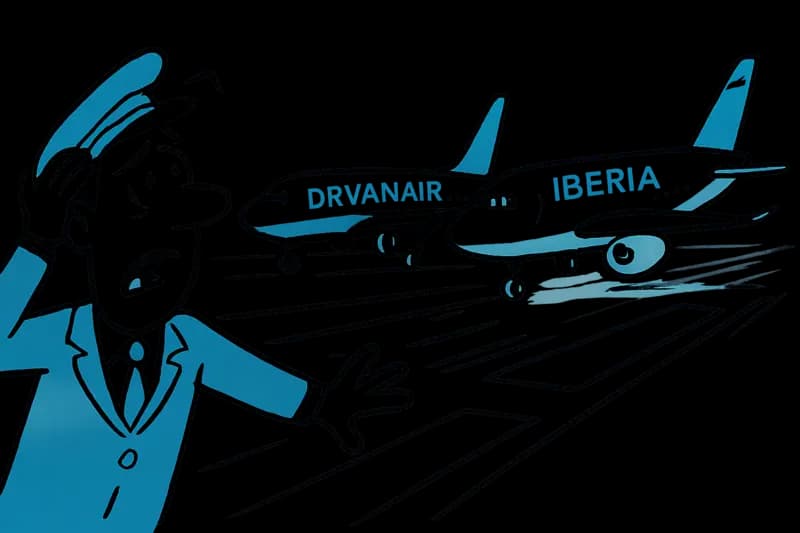
Near-miss on Lanzarote: Landing Ryanair Jet and Iberia Takeoff — what really went wrong
On Lanzarote there was a dangerous incident: A Ryanair flight (FR5910) from Dublin landed on runway 03 while an Iberia E...

Eurowings introduces new Premium Business seats on Mallorca routes
From December 1, selected Eurowings flights to Palma and other destinations will feature eight particularly generous sea...

Car on MA-13 near Inca in flames – a safety check for the island
A vehicle caught fire on the MA-13 towards Alcúdia on Tuesday afternoon. The driver was uninjured, the car was destroyed...

Real Estate in Mallorca: Fewer Buyers, Higher Prices — What's Behind It?
Sales on Mallorca are falling, yet prices continue to climb. Why fewer transactions do not equal relief — and what shoul...
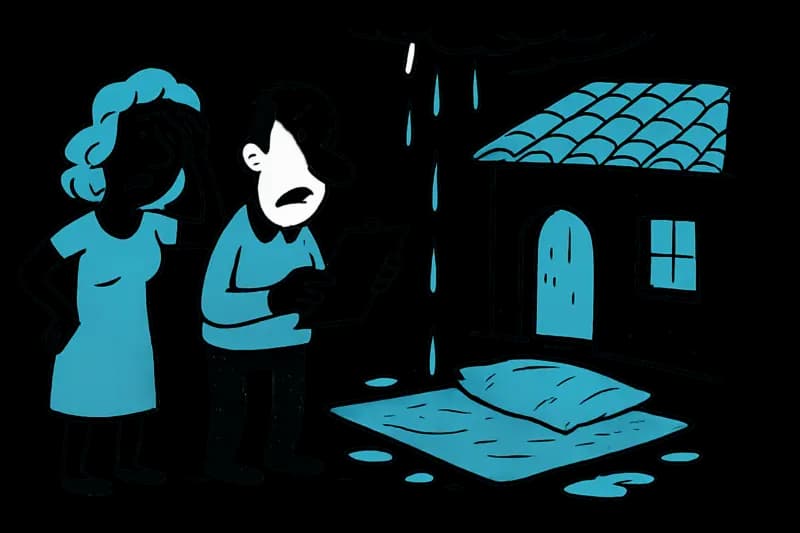
Just Bought — Already Trouble: Water Damage in the Heiters' Villa and What Owners in Mallorca Should Know Now
A newly purchased sea-view property — and within days a water damage. What risks lurk in new properties in Mallorca, and...
More to explore
Discover more interesting content

Can Cap de Bou

Townhouse Lleo 72
