
Brawl in Palmanova: Two Taxi Drivers Injured – Who Protects the Night Shift?
In Palmanova two taxi drivers were attacked by apparently drunk tourists; one driver was seriously injured. A debate begins about night patrols, workplace safety and prevention.
Brawl in Palmanova: Two Taxi Drivers Injured – Who Protects the Night Shift?
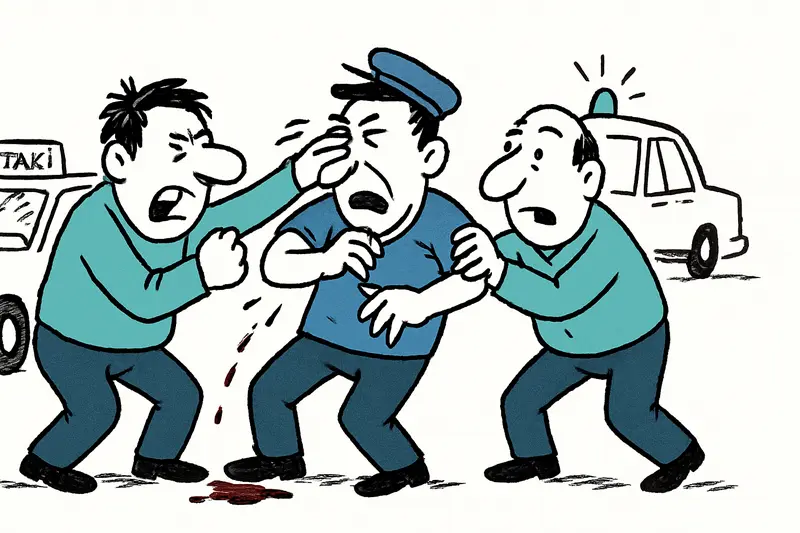
The images from a taxi rank on the Passeig Mar stay in the mind: blue lights, a trail of blood on the asphalt, taxi drivers stunned as they support their colleagues. In the early hours of a Wednesday there was a physical confrontation in Palmanova. Two British men, aged 31 and 21, were arrested by the Guardia Civil of Calvià. Witnesses dialed the emergency number 062 after one driver was seriously injured – covered in blood and having lost several teeth. A colleague who tried to help was also struck in the face. One of the detainees was later released on bail of €15,000; both face charges of bodily harm and the younger suspect has legal representation.
Clear guiding question
How can Palmanova prevent taxi drivers from becoming targets of nocturnal violence without robbing the place of its liveliness?
Critical analysis
The facts are sparse, the pattern is familiar: late hour, alcohol, groups of tourists at a busy stand. All too often an evening ends in property damage or — as now — physical injury. The perpetrators are not the only ones responsible; the system that fails to stop them early also bears part of the blame: insufficient prevention in nightlife zones, patchy police presence at peak times, and a lack of clear rules for bar and club operators who still profit from excessive alcohol sales in the leisure economy.
What is missing in the public debate
The discussion usually narrows to isolated incidents and sweeping judgments about groups' origins. Rarely does it address the working conditions of taxi drivers: long shifts, night work, little protection against aggression. Also underexposed is how bail and detention practices affect deterrence. The role of urban infrastructure is seldom mentioned: lighting, clearly visible emergency call points at stops, and whether there is camera surveillance that can facilitate rapid identification and evidence collection.
A daily scene from Palmanova
It is 2:30 a.m. on the Passeig Mar. The row of taxis flickers under the streetlights. The smell of pizza drifts from a corner, music spills out of bars, laughter mixes with the sputter of a moped. Drivers lean against trunks, hands in jacket pockets, eyes tired. It is in this mix of noise, unrest and fatigue that a single spark can become a blaze.
Concrete solutions
- Increase presence: targeted night patrols by the Guardia Civil and cooperation with the municipal Policía Local during critical hours.
- Strengthen infrastructure: emergency buttons at larger taxi stands, improved lighting, clearly defined camera zones used in accordance with the law.
- Protection for drivers: affordable alarm devices or body cameras for taxi drivers, information about rights and how to act in case of an attack.
- Prevention in the hospitality sector: binding rules and controls to curb excessive alcohol service; club and bar operators as partners in night-time safety.
- Legal clarity: faster, transparent procedures after complaints so that perpetrators do not come across as immune due to bail arrangements.
- Information for guests: notices in hotels and at airports about expected conduct and the consequences of violence—direct and factual, not moralizing.
A small, realistic step
A pilot project could be considered: for three months, increased presence at the taxi ranks in Palmanova on weekends, coupled with anonymous surveys among drivers. Data instead of anecdotes. This will quickly show whether additional measures are effective and where priorities should lie.
Concise conclusion
The assault was brutal and rightly provokes outrage. It is also a wake-up call: it is not enough to arrest perpetrators and wait for press reports. People who work nights on Mallorca must not be treated as collateral damage of a booming nightlife culture. Protective measures, better infrastructure and clearer rules for night-time operations are not a ban on partying. They help ensure that fewer people stand bloodied on the Passeig Mar in the morning and more can finish their work alive.
Frequently asked questions
What safety measures are being put in place to protect taxi drivers and night workers in Mallorca after the Palmanova incident?
How can visitors enjoy Mallorca's nightlife more safely?
What should taxi drivers in Mallorca know about staying safe during late-night shifts?
What infrastructure improvements are recommended for nightlife areas in Mallorca?
When is the best time to visit Mallorca for pleasant evenings and beach days?
What packing tips should I follow for a Mallorca trip that includes nightlife and outdoor time?
How do authorities in Mallorca handle violence reports to deter repeat offenses?
What role do hotels and airports play in promoting safe conduct around Mallorca’s nightlife hubs?
Similar News
Etihad brings Mallorca season forward: More flights, more discerning guests
The Gulf airline Etihad plans to bring its Palma connection forward next year and increase frequency. For hotels, restau...
Release after bloody attack in Palma: Why the court's decision raises questions
An 18-year-old who allegedly inflicted a serious neck injury on a man at Plaza Gomila using a wristwatch wrapped around ...
Kidnappings in Inca: Three young men forced into car trunks and abused in the forest – a reality check
In Inca, three 18-year-old men were forced into car trunks by masked assailants at the Plaça des Bestiar, taken to a for...
Spreading Massification: The Brake That Still Has Much Work to Do
Marga Prohens announces limits on volume tourism. The measures sound harsh — but are they enough to save everyday life, ...

Through the Keyhole onto the Party Yacht: How Daniela Katzenberger Is Planning Her 40th on Mallorca
Daniela Katzenberger turns 40 and wants to celebrate it on the island — likely with a boat, cake and her mother. A relax...
More to explore
Discover more interesting content

Can Cap de Bou

Townhouse Lleo 72
