
Home Exchange in Mallorca: Between a Budget Trend and a Local Balancing Act
Home exchange is booming in Mallorca: cheaper holidays, more sustainable travel — but also legal and neighborhood concerns. What matters now.
Home exchange in Mallorca: Is this the cheap alternative or a risk for the island?
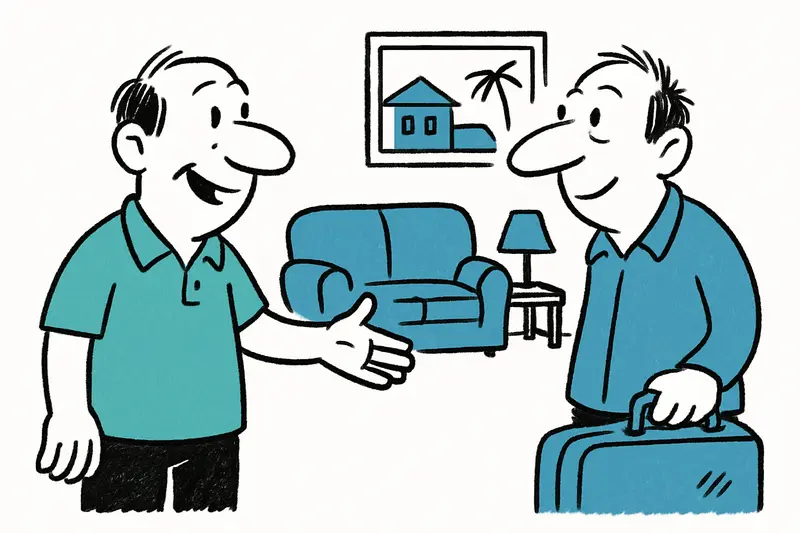
At the Santa Catalina market, you now hear about home exchange more often than package holidays between the orange stalls and the clatter of the crates. "We're giving our house in Palma this week and going to the coast for two weeks of hiking," a neighbor said over coffee recently. Is this just a new savings trend — or is the way Mallorca is visited quietly changing?
How the swap works — briefly explained
The mechanics are simple: anyone who wants to take part pays an annual fee to a platform (on average around €175) and lists their home in the system. Either two parties arrange a direct swap at the same time, or they use a points system if the timeframes differ. For many this sounds appealing: no rent payments, no hotel check-in, but more like an exchange among acquaintances — complete with the sound of cicadas in the evening.
Why the trend is growing in Mallorca
Three reasons stand out here: first, since the corona years many people have been looking for calm, familiar alternatives to anonymous hotel stays. Second, general travel costs are rising — home exchange protects the wallet, as discussed in Balearic Islands in the Price Squeeze: Who Can Still Afford Mallorca?. And third: sustainability is gaining importance; many see the swap as a form of stay that is less tourist-driven and does not further heat up the rental market. The fact is: in 2025 more than 115,000 exchange nights were registered in the Balearics — the number rose significantly, especially in summer.
The less visible problems
But not everything is idyllic. Key handovers, insurance questions, and neighbors' concerns are real hurdles. One topic that rarely comes up in some conversations is the legal classification. Mallorca and the Balearics have strict rules for tourist rentals. Home exchange often operates in a grey area — if no money changes hands, it is private accommodation, but with frequent use or if third parties are involved, questions arise about licensing requirements, registration or even taxes. Anyone who thinks this is naive should be careful: there are municipalities that look very closely Buying and Renting in Mallorca: Why Prices Are Pushing Locals to the Edge — and What Could Help Now.
What consequences could this have?
In the short term, home exchange relieves hotels and commercial holiday apartments. In the long term, however, a growing exchange market can also increase the use of second homes: houses that would otherwise stand empty are occupied more often — this is good for social contacts, but it can also change local availability. Also seldom discussed: the impact on regulated long-term rentals for residents with lower incomes. If more and more owners juggle between exchange and personal use, there will be less affordable housing left for locals, and sectors already struggling may feel the pressure Empty Tables, Tight Wallets: Mallorca's Gastronomy at a Crossroads.
Practical tips and solutions
Those who want to play it safe should follow some simple rules: document condition and inventory with photos, clarify liability issues in writing, speak openly with neighbors — often a short chat with the caretaker or the neighbor with the dog is calming enough. Platforms could do more here: standardized contracts, optional additional insurance and verification mechanisms for listings would help.
At the municipal level, information centers would make sense: short checklists on the legal situation, cooperation with insurers for affordable policies and offers for seniors who want to use the exchange but need support with key handover and organisation. A local exchange network, moderated by municipalities or neighborhood associations, could build trust — comparable to the black notice boards in village centres that still announce events today.
A realistic outlook for locals — and visitors —
Home exchange is not a cure-all, but a real opportunity: for families who want an affordable holiday; for seniors visiting friends on the mainland; for Mallorca residents who want to get to know the island from a different perspective. The challenge is to make the model transparent and fair so that it does not become another resource for speculation. My conclusion after conversations on Palma's promenade and at the bazaar in Inca: those who communicate openly, set clear rules and respect local particularities can all benefit — the island, the neighborhood and the travellers alike.
And at the end of the summer you often hear on terraces: 'We'll do it again next year.' That sounds like repetition, but also like responsibility — as long as we know and follow the rules.
Frequently asked questions
How does home exchange work in Mallorca?
Is home exchange a cheaper way to stay in Mallorca?
Why is home exchange becoming more popular in Mallorca?
Can you do home exchange in Mallorca without causing legal problems?
What should I check before swapping a home in Mallorca?
Does home exchange affect the housing situation in Mallorca?
Is home exchange common in Palma?
What local support would help make home exchange safer in Mallorca?
Similar News

Warning to Bathers: Nipping Fish in Cala Major and Other Coves — a Reality Check
In Cala Major and several beaches around Mallorca, bathers report painful “nips”. Who are the animals, why are they gett...

Rental Car Theft in El Arenal: What This Incident Reveals About Our Gaps
A teenager steals a running rental car in El Arenal, flees on foot, climbs over walls and is caught by the Guardia Civil...
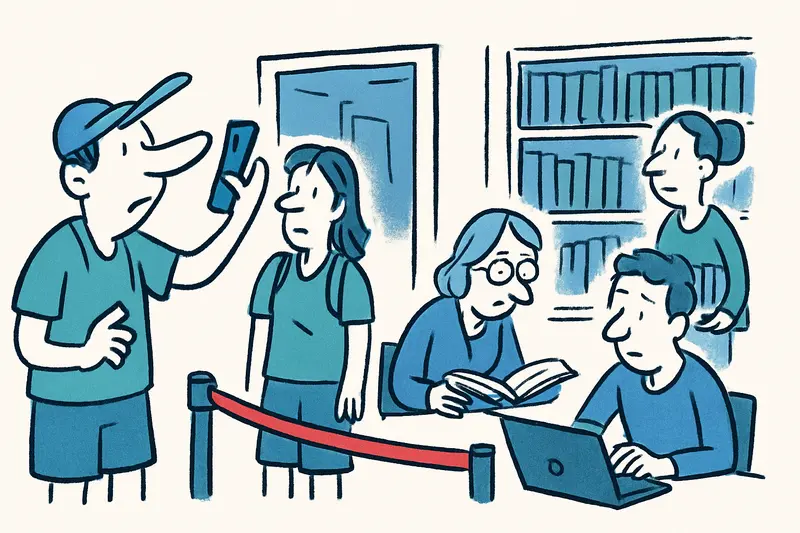
Red Rope in Palma's Library: What Helps Against Selfie Tourism — and What's Missing
Palma's city library cordoned off an area with a red rope to keep selfie tourism away from reading and working activitie...

Fort San Carlos: Museum, Harbor Dispute — and a Conflict That Demands Answers
The military museum at Fort San Carlos sits right on Palma's harbor, with unexpectedly quiet rooms filled with cannons a...
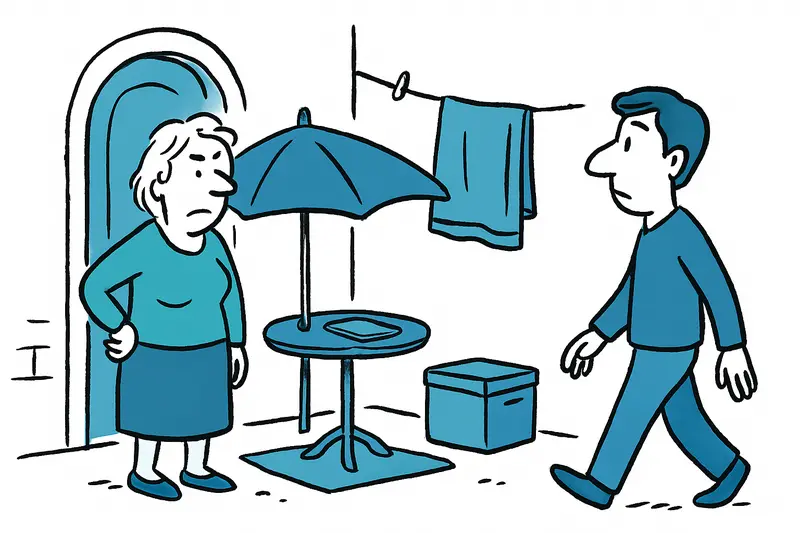
Old Town Under Pressure: When a Doorway Becomes a Sleeping and Shower Place
For months a woman has been living with a parasol, a clothes rack and personal belongings next to the social welfare off...
More to explore
Discover more interesting content

Can Cap de Bou

Townhouse Lleo 72
