
Strong Start to the Gold Mackerel Season in Cala Ratjada – Opportunity or Warning Sign?
A lively opening in Cala Ratjada: 30 boats, full nets and debates about sustainability. Why the strong season start offers opportunities — and which risks need to be addressed now.
Strong Start to the Gold Mackerel Season in Cala Ratjada — Opportunity or Warning Sign?
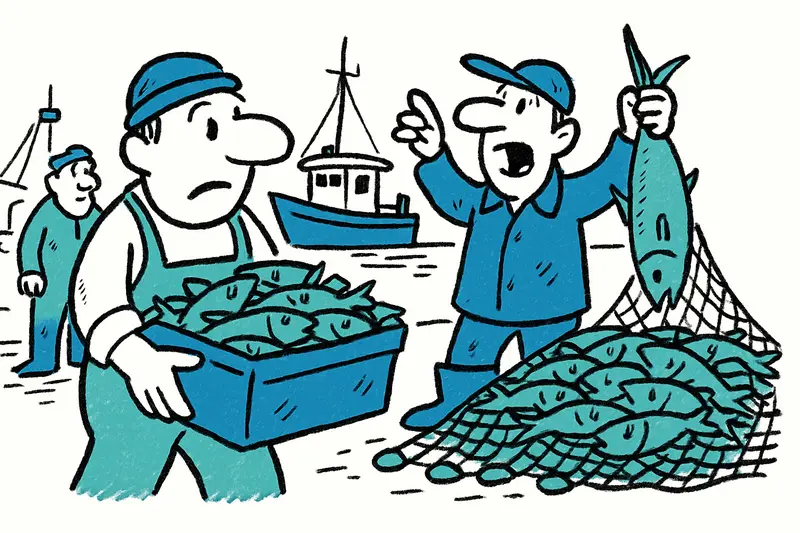
Even before the first iced coffee on the Passeig, the harbour was bustling yesterday morning like a scene from an old photo album: engines, ropes creaking, the salty haze over the water. Three or four hours at sea were enough, and several cutters had reached the permitted limit of 150 gold mackerel per vessel. On the pier, the faces of traders, tourists with cameras and the familiar cry of the seagulls blended into a loud, lively jumble.
A harbour that is alive again
In total, 30 boats are registered for Cala Ratjada this year. There was good humour on board: gaffs clattered, Don Miguel talked about the catch twenty years ago, and a young deckhand sorted nets with calm, practiced hands. For the promenade restaurants this means in the short term: fresh fish, full plates and a pause in the otherwise strained supply chains, as seen during Gold Mackerel, Art and Tapas: Autumn Fairs Kick Off in Mallorca. The quay fills up — laughter, bargaining, the unmistakable heat on the asphalt and the smell of freshly fried fish.
The key question: Can this success be sustained?
The good mood has a clear downside. Our central question is: Can this strong start be maintained in the long term without endangering stocks? Limits such as the catch quota per vessel and the set season dates are intended to ensure this, similar to other regulated openings (Season Start for the Razorfish: Rules, Opportunities, and What Anglers Need to Know). But a massive rush in the first days strains control systems and markets alike. When many boats land large quantities at the same time, gaps arise — in monitoring, distribution and price formation.
Aspects that are rarely discussed out loud
Two or three details often fall by the wayside: First, the distribution of catches. If most of the gold mackerel end up at only a few auctions, falling prices depress the revenues of the small fishers. Second, traceability. Without clear origin labelling, restaurants and consumers cannot know whether the fish really stayed local or was quickly re-exported. Third, the strain on equipment and crew. High catch rates in a short time increase the risk of accidents and wear — costs that often fall on the smaller operations.
Practical approaches instead of panic
There are realistic ways to secure the positive effects and reduce the risks. One proposal: staggered fishing windows. Instead of a hard start, short controlled windows could help to ease the peaks in fishing and supply the market more evenly. Digital certificates that document catch location, catch time and vessel would create transparency and strengthen the trust of restaurateurs and guests.
Cooperation instead of competition
Another often underestimated approach is cooperative marketing. If fishers coordinate auctions and deliveries, price crashes can be avoided and small boat owners will benefit more fairly. On the quay, a simple system of delivery windows and shared auction times could already achieve a lot — less hectic activity, more stable earnings.
Controls and public data
The authorities are called upon: in the first days of the season, controls should be intensified and data collected in real time, as discussed in More Controls at Sea: Cala Ratjada in Focus — Are the Measures Enough?. Regular, publicly accessible catch reports from Cala Ratjada would not only provide orientation for traders but also dampen speculative price jumps. Such reports could appear daily or weekly and provide simple key figures — quantity, number of vessels, average price.
Why the island can benefit — with caution
In the short term, the local economy benefits: restaurants, markets and supply chains feel the effect immediately. The harbour is alive, there is a creak on the docks, and the town smells of fried fish. But sustainable fishing is long-term work: too many quick, large catches could later lead to falling stocks and rising prices — a vicious circle that particularly affects small operations.
Looking ahead: Dialogue instead of going it alone
Whether the pace of the coming days can be maintained depends not only on wind and current but on decisions ashore. An open dialogue between fishers, traders, gastronomy and authorities is now important. If Cala Ratjada uses this strong opening to strengthen rules, transparency and cooperation, boats, crews and restaurants can benefit in the long run. And the seagulls? They'll stay — loud and hungry — as long as we don't forget to manage carefully.
One harbour, many voices: the strong opening is a promise. Whether it is kept depends on the region — and on a smart combination of control, transparency and community.
Frequently asked questions
Why is the gold mackerel season in Cala Ratjada starting so strongly?
Is a strong fish catch in Mallorca good news for local restaurants and markets?
How are gold mackerel catches controlled in Mallorca?
What are the risks when many fishing boats land their catch at once in Cala Ratjada?
Why does traceability matter for fish served in Mallorca restaurants?
Would staggered fishing windows help Mallorca’s fish markets?
What can Cala Ratjada do to keep gold mackerel fishing sustainable?
When is the best time to buy fresh gold mackerel in Mallorca?
Similar News

Maribel: Five Decades of Service – Housekeeper from Peguera Celebrated with a Special Honor
Over 50 years in the hotel business: María Isabel “Maribel” Molinos was honored in Palma at the Nit del Turisme by Unive...

Orange Alert over Parts of Mallorca: Are We Prepared?
Dark clouds and an announced wet spell have triggered an Orange alert in parts of Mallorca. A reality check: what's miss...

Sundair & Co.: Sale speculation and what it could mean for Mallorca
Rumors about a possible sale of the airlines Sundair and Fly Air 41, which belong to Schauinsland-Reisen — and whether b...
Anne Wünsche in Mallorca: A job offer with a catch — who fits the role of personal assistant?
Influencer Anne Wünsche has left Berlin and is urgently looking for a full-time personal assistant in Mallorca. Why the ...

Daily from New York: Palma Between Boom and Strain
United will increase the Newark–Palma route to daily flights in 2027 using Boeing aircraft (231 seats). What does the in...
More to explore
Discover more interesting content

Can Cap de Bou

Townhouse Lleo 72
