
More Controls at Sea: Cala Ratjada in Focus — Are the Measures Enough?
Since June, 82 proceedings have been opened against illegal boat offers in the Balearic Islands, 45 of them on Mallorca. Controls are being expanded, especially on the east coast. But are drones and fines enough to solve the problem long-term?
Controls tightened — especially on the east coast
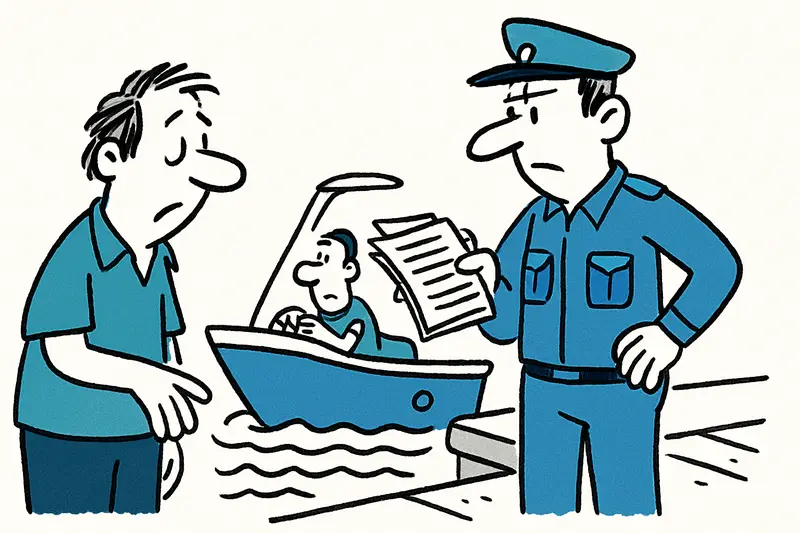
Morning on the promenade of Cala Ratjada: seagulls scream, engines roar across the bay, and officers leaf through papers while holidaymakers sip their coffee. Since June, a tightened enforcement campaign has been underway in the Balearics — 82 proceedings against illegal boat activities, 45 of them on Mallorca alone, amid rising boat arrivals.
What it's specifically about — more than just missing papers
The complaints initially sound bureaucratic: expired permits, missing registrations, unauthorized charters. But real risks lie behind them. Missing life jackets, incomplete maintenance records or no radio on board — these are not minor formalities but safety deficiencies. There are also ecological and social consequences: illegal anchoring in protected areas, noise in coves like Cala Agulla and litter ending up on beaches.
New in the toolbox: a surveillance drone that in August flies coastal sections for up to ten hours a day. It is intended to document irregularities, detect environmental damage and inform inspectors more quickly. For residents this looks like a step forward; for critics the question remains whether aerial images alone can change the system.
What people on the ground say
The old fisherman at the harbor of Cala Ratjada rolls his eyes when he thinks of past summers: "They sell tickets from the kiosk, in WhatsApp groups, sometimes without life jackets." Other residents praise the presence of officers: "You feel safer," says a tourist passing by. But skepticism remains: inspections one day, and the next the same boats are back in the bay.
The big question: deterrent or cosmetic measure?
That is the central guiding question: can the authorities achieve a sustainable market cleanup with targeted inspections and drone images — or will they only be window dressing? One component is often overlooked in the public debate: the demand side. As long as tourists buy cheap boat trips on the beach, a market is created for opaque operators.
Another little-highlighted problem is the capacity of the inspectors. Ports, the local public order office, Guardia Civil and Capitanía Marítima must cooperate. If information flows slowly between authorities, the impact of the operations dissipates. The same applies to fines: they must be high enough and enforceable quickly — as with the island's fast-track procedure against illegal holiday rentals — to be a deterrent. Repeat operators must not only pay a penalty and carry on.
Concrete opportunities and solutions
A few pragmatic proposals that are more than symbols: a central, publicly accessible online list of licensed boat operators; simple QR-code checks on boats that passengers can scan on site; stricter reporting requirements for short-term charters; and coordinated fine schedules that are immediately enforceable. Local information campaigns in several languages would also help — many tourists simply do not know which questions to ask.
In addition, the role of ports should be strengthened: regular inspection intervals, mandatory documents when mooring at the quay and clearer responsibilities. And yes: drones should remain, but as a complement, not a substitute for presence on the water.
What travelers can do specifically
Anyone booking a boat tour should ask for license numbers, a written contract and insurance details. Reputable operators provide departure point, duration and maximum passenger number reliably. Tickets handed out on the beach? Think twice. A quick look at your smartphone — a short scan of the operator's license number — can prevent a lot of trouble and danger.
Conclusion: The measures are a start: more inspections, aerial footage and proceedings are having an effect. Whether that is enough depends on coordination, enforcement and tourists' willingness not to accept every cheap trip. For Cala Ratjada and the east coast there is hope that control will not only be visible but sustainable — otherwise the next summer morning on the promenade in a few weeks will look the same again: boats coming and going, and papers that nobody checks.
Frequently asked questions
Why are boat checks being increased in Mallorca this summer?
Is it safe to book a cheap boat trip in Mallorca?
What should I check before joining a boat excursion in Mallorca?
What are the risks of illegal boat charters in Mallorca?
Why is Cala Ratjada being mentioned in Mallorca’s boat control debate?
What is the drone being used for on Mallorca’s coast?
Can tourists in Mallorca be fined for using illegal boat services?
What can Mallorca do to make boat controls more effective?
Similar News

Maribel: Five Decades of Service – Housekeeper from Peguera Celebrated with a Special Honor
Over 50 years in the hotel business: María Isabel “Maribel” Molinos was honored in Palma at the Nit del Turisme by Unive...
Orange Alert over Parts of Mallorca: Are We Prepared?
Dark clouds and an announced wet spell have triggered an Orange alert in parts of Mallorca. A reality check: what's miss...

Sundair & Co.: Sale speculation and what it could mean for Mallorca
Rumors about a possible sale of the airlines Sundair and Fly Air 41, which belong to Schauinsland-Reisen — and whether b...
Anne Wünsche in Mallorca: A job offer with a catch — who fits the role of personal assistant?
Influencer Anne Wünsche has left Berlin and is urgently looking for a full-time personal assistant in Mallorca. Why the ...

Daily from New York: Palma Between Boom and Strain
United will increase the Newark–Palma route to daily flights in 2027 using Boeing aircraft (231 seats). What does the in...
More to explore
Discover more interesting content

Can Cap de Bou

Townhouse Lleo 72
