
When the 'Caretaker' from Mannheim Strolls Through Palma: What His Short Trip Reveals About Mallorca
When the 'Caretaker' from Mannheim Strolls Through Palma: What His Short Trip Reveals About Mallorca
A well-known TV personality from Germany is vacationing in Mallorca for the first time. His stroll through Palma's old town reveals insights about inequality, tourism and local aid.
When the 'Caretaker' from Mannheim Strolls Through Palma: What His Short Trip Reveals About Mallorca
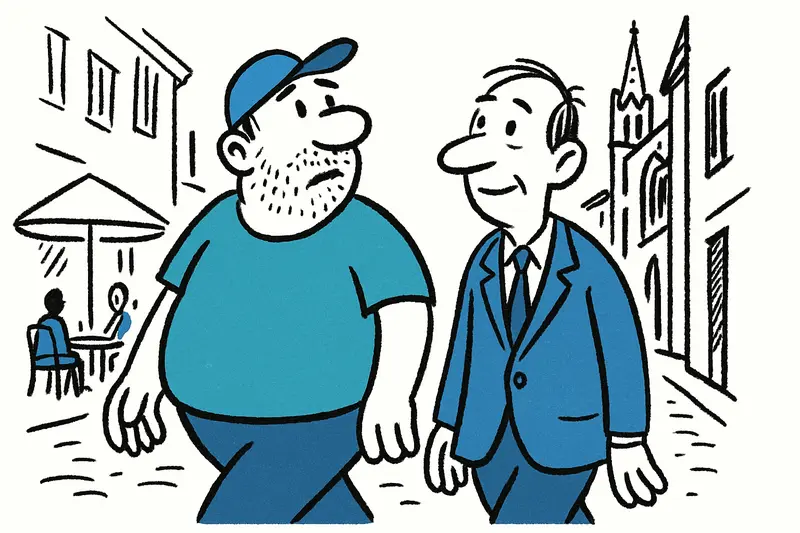
On a bright April afternoon, the sun already warm on their shoulders, two men from Germany walked through the narrow streets of Palma's old town. The ringing of bells, the clatter of cups in a street café and the distant hum of delivery vans formed the backdrop. One of the two became known in Germany through TV formats; he is known as a helpful, hands‑on guy from a social neighborhood and often stands where others look away. That he was on Mallorca for the first time and took time for a quiet short vacation is not big news. What is interesting is which questions we should ask when people from precarious circumstances see this island for the first time.
Key question: What does a short trip say about Mallorca's social side?
The visit raises a simple but uncomfortable question: How does the postcard image of Mallorca—sand, Palma's old town and holiday well‑being—fit with the reality of many people who live here, and how visible is that reality to visitors? This tension is discussed in Between Welcome and Wariness: Germans in Mallorca — What's Really Happening.
The guest from Mannheim made clear that even for people who like to get involved and help, the conditions on the island stand out. His remarks about the weather, the calm and the chance to switch off are understandable. Equally noteworthy, however, is that he emphasized: many of his peers have no room for such trips. The same applies to people on Mallorca, whose everyday lives rarely make headlines.
The critical observation is this: tourism brings money, but not automatically fair distribution. Clean beaches, full terraces and flourishing hotels are visible. Often invisible are precarious working hours, low wages in the service sector and households that have to get by on social benefits. In conversations with the guest and people on site, one often hears that short‑term help and charity are important, while structural questions remain unanswered. Occasional high‑profile cases receive coverage, for example Handcuffed Straight from Palma: Cross‑Border Manhunts, Mistakes and Mallorca's Image.
What is missing from the public debate? Three things stand out: first, a transparent discussion about how tourist revenue can be used effectively at the local level; second, concrete offers that enable low‑threshold recreation for people with tight budgets; third, better visibility of poverty in urban centers and rural villages instead of the always‑only holiday image. In Palma one meets people on the Ramblas and in the side streets who both benefit from tourism and who get nothing from it. This coexistence is often concealed—or played down.
A small everyday scene from Palma: on the way to the cathedral an older woman stopped at a kiosk, briefly argued with the vendor about prices and then sat down on a bench to watch the noisy chatter. A few houses away a restaurant is asking for seasonal help. These scenes lie close together and show how ordinary and at the same time fragile daily life is.
Concrete solutions cannot be pulled out of a hat, but they are manageable: tourism levies earmarked for local social projects; subsidized short stays for households with little access to education or leisure on the islands; more cooperation between hotels, municipalities and charitable organizations so that surpluses from events directly finance local aid; promotion of further training offers and more stable employment contracts in the hospitality industry. Initiatives like benefit matches, collection drives or flea markets—actions the guest from Mannheim himself has organized—can help in the short term. In the long term, however, political decisions and transparency about tourism revenues are needed.
What public discussion often overlooks: help alone is no substitute for structural reforms. It is wonderful when individuals collect donations or lend a hand for a short time. Even better would be if that energy were channeled into lasting offers—local funds, reliable working conditions and real opportunities for training and advancement.
Conclusion: The short vacation of a well‑known aid worker may at first glance seem like a nice anecdote, a selfie in Palma's alleys. Looked at more closely, it becomes clear: Mallorca is more than a postcard idyll. The island shows the usual social fractures of a tourism region—and at the same time offers spaces for practical solidarity and political shaping. Practical local perspectives can be explored in How Mallorca Really Becomes Your Home: A Practical Guide from Island Experience. Those who take a closer look during their next walk through the old town will not only hear the coffee machines, but also questions that should long since have been answered.
Frequently asked questions
What does a short trip to Mallorca usually reveal beyond the holiday image?
Is Palma pleasant to walk around in spring?
Why do some visitors notice social differences more clearly in Mallorca?
Can you still have a quiet break in Palma away from the busiest tourist areas?
What should you pack for a short spring trip to Mallorca?
How visible is poverty in Palma for visitors who leave the main tourist streets?
Is Mallorca a good place for a low-key short holiday?
Where can tourism money in Mallorca help local people most?
Similar News
More water than last year: Mallorca's reservoirs breathe easier
September rain refilled the Tramuntana's reserves: overall fill around 35 percent, Cúber at 40.42 percent, Gorg Blau at ...
Three Luxury Hotels in Banyalbufar: Lots of Money, Many Questions
A Danish investor plans three exclusive accommodations in Banyalbufar — including the historic Son Valentí. The announce...
2.1 tonnes of cocaine on sailing yacht off Spain's coast – a reality check for the coastguard
A 14-metre yacht was seized with 2.1 tonnes of cocaine. Who monitors the ports, how does the international hunt succeed ...
Heat Bonus in Mallorca: 100 Euros Extra for Outdoor Staff at MarSenses
MarSenses pays employees who worked outdoors in August an extra €100 as recognition. Lighter uniforms, reduced hours for...
Renovating in Mallorca: What You Really Can Do Without Neighbour Consent
Many think they can do whatever they want in their apartment. That's partly true — but only as long as structural elemen...
More to explore
Discover more interesting content

Can Cap de Bou

Townhouse Lleo 72
