
When Hormuz Was Briefly Spanish: What the Island in the Persian Gulf Can Teach Us Today
When Hormuz Was Briefly Spanish: What the Island in the Persian Gulf Can Teach Us Today
A small rocky island, European flags, warships in Palma — the history of Hormuz shows how global power struggles, trade and local coastal towns like Palma are connected. A critical assessment with concrete proposals.
When Hormuz Was Briefly Spanish: What the Island in the Persian Gulf Can Teach Us Today
Guiding question: What lessons does Majorca draw from the long history of rule, trade and conflict over the Strait of Hormuz?
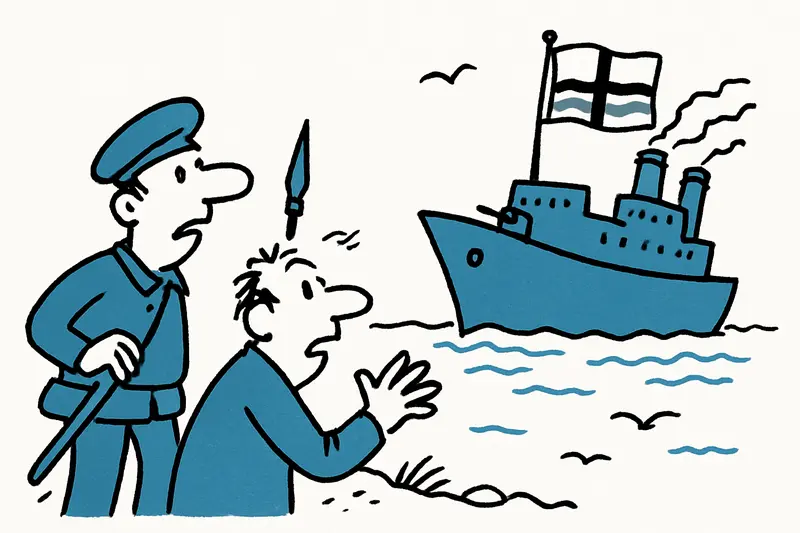
Standing on a windy morning on the Passeig Marítim, with the smell of the sea and diesel in your nose, seagulls circling the quay walls and ferries keeping their rhythm, the world feels small and ordered. Yet the view reaches far historically: more than four centuries ago, in another narrow strait far from Majorca, foreign flags and fleets were likewise vying for influence. The island of Hormuz in the Persian Gulf was for a time part of that large European network that cast its shadow across the world in the 16th and 17th centuries.
In short: Portuguese sailors occupied Hormuz in the early 16th century; when Portugal spent several decades under the Spanish crown during the so-called Iberian Union, Hormuz was formally also a outpost of that empire. In 1622, local powers together with English ships managed to regain control. Later, in the 20th century, modern naval ships from Iran visiting European ports — including a notable port call on a maiden voyage — created visible links between island and global history, a dynamic reflected in Giant at Anchor: US Aircraft Carrier Sparks Debate in Palma.
What does this have to do with Majorca? More than at first glance. The close connection of sea routes, resources and military power can be traced in many places — from Hormuz to the port of Palma. Where fishermen mend their nets, people’s livelihoods depend on the sea, and disruptions to major waterways reverberate through island economies: rising energy prices, changed shipping routes, safety requirements for shipping companies and ports. Concerns about who protects small craft have been raised in pieces such as USS Gerald R. Ford off Palma: Between Warning and Everyday Life — Who Protects the Boats?.
Critical analysis: Historically, European presence overseas was often a mix of trade, military force and geopolitical foresight. Today we observe that modern conflicts in the Persian Gulf affect not only regional actors but also global supply chains and the environment. Two points stand out: first, power does not shift simply through political declarations — control over straits and infrastructure remains material and is produced through ship presence, logistics and alliances. Second, the resource race (once shells and pearls, today oil and gas) generates similar dynamics: competition, environmental strain and military protection.
What is often missing in public debate is a clear link between historical episodes and current risks for civilian coastal communities. Conversations usually revolve around great powers, large infrastructure or abstract security policy. Rarely does one hear how small ports, marinas and fishing communities can be concretely affected — from widespread environmental damage to more difficult crew changes, longer delivery times and rising insurance premiums.
An everyday scene from Palma: at the Mercado del Olivar vendors discuss rising freight costs, an old sailor on the breakwater remembers a photo from the 1970s when foreign naval units berthed and people on the Paseo paused to watch, a scene mirrored in Aircraft Carriers in the Bay: What Role Should Mallorca Play in the New Mediterranean Game?.
Practical proposals (not theoretical, but feasible): First: port authorities and local administrations should develop binding emergency plans for maritime incidents — not only for accidents but also for geopolitically caused disruptions (contacts with shipping companies, communication protocols, supplies for crew changes). Second: regional environmental monitoring in cooperation with universities — sensor buoys, joint protocols for rapid detection of oil spills and radioactive contaminants. Third: transparency for shipping — open tracking data for civilian vessels in sensitive times to reduce panic and misplanning. Fourth: diplomacy and protection corridors — multilateral agreements for trade routes, possibly under UN or EU auspices, to decouple civilian shipping where feasible. Fifth: education and culture of remembrance — local exhibitions or school projects that show connections like those between Hormuz and European islands, so that historical insights inform contemporary policy.
A sober conclusion: islands are not marginal phenomena in history. They are interfaces — logistics points, symbolic places and everyday locales that feel distant storms very tangibly. The episode of Hormuz teaches that sea power is not only made in capitals but also on cliffs, in ports and in marketplaces. Understanding this allows for concrete precautions: environmental protection, port resilience and a seafaring-friendly diplomacy that genuinely protects people on coasts like ours.
Frequently asked questions
Why does a story about Hormuz matter for Mallorca?
How can conflicts over sea routes affect Mallorca’s ports and marinas?
What can Mallorca learn from the history of Hormuz and other strategic islands?
Why do energy prices and shipping costs in Mallorca change when global trade routes are unstable?
What should Mallorca port authorities prepare for during maritime crises?
Where in Palma can people notice the connection between the sea and global politics?
Are Mallorca’s fishing communities affected by problems in distant seas?
What kind of environmental risks do Mallorca’s coasts face from maritime conflict?
Similar News

"Expensive chaos" and many open questions: What clients can do when a lawyer suddenly stops responding
Several clients complain that a well-known German lawyer in Mallorca has been unreachable for months. Key question: What...

TV tip: 'The Last Problem' — Mallorca as the setting of a classic crime
A classic whodunit on Mallorca: A new miniseries set in spring 1959 brings storm, an isolated hotel and a dense web of s...
Nipping Sea Creatures: Why Bathers in Cala Major and Elsewhere Should Be Cautious
In Cala Major, bathers have reported being nipped by small fish. What is behind it, how can problems be avoided — and wh...
Forced eviction in Santa Catalina: When a 65-year-old slept in her car and showered on the beach — a question of responsibility
The story of Pilar López from Santa Catalina represents a problem affecting many Mallorcans: How can an island with a bo...
New traffic rules from October 1: What Mallorca visitors and locals need to know
From October 1, 2026, Spain will implement far-reaching changes to traffic regulations. Important for Mallorca: greater ...
More to explore
Discover more interesting content

Can Cap de Bou

Townhouse Lleo 72
