
Celler Pagès: Seven Decades of Mallorca on the Plate
Celler Pagès: Seven Decades of Mallorca on the Plate
In the heart of Palma's old town, down a small lane near the Lonja, Celler Pagès has kept Mallorcan cuisine alive since 1956. Its lunch menu, hearty classics and family atmosphere make the place a meeting point for locals and visitors.
Celler Pagès: Seven Decades of Mallorca on the Plate
A piece of the old town, a kitchen that awakens memories
When you stroll down the narrow Carrer Felip Bauzà on a rainy January day, the first thing you hear is the clatter of plates, the soft patter of raindrops and then, behind an almost inconspicuous front door, the warm murmur of conversations. There, since 1956, lies Celler Pagès – a place you are more likely to find if you look for it than discover by chance.
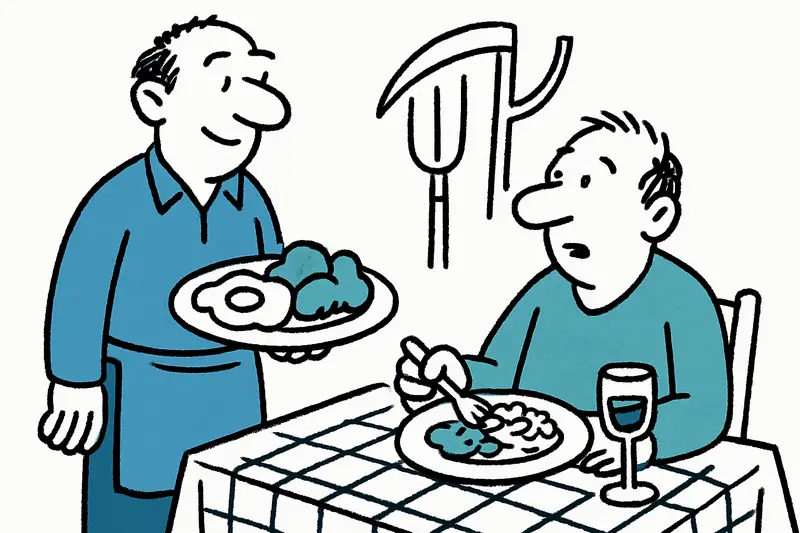
The house is only a few steps from the Lonja and the Consolat de Mar. Inside, checkered tablecloths, comfortable chairs and walls hung with old rural tools like sickles and pitchforks set the scene. This simple decor is no affectation; it tells of origin and craft. The owning family now runs the restaurant in its third generation; José Antonio Amengual today stands for the hospitality many here appreciate.
What draws people is less trend than consistency. On the menu are dishes you would search for in vain in most trendy neighbourhoods: sopas mallorquinas with vegetables, tumbet with a fried egg, stuffed aubergines, courgettes with a touch of honey, frito, lamb chops with potatoes and red pepper or sometimes the hearty pigs' trotters. Occasionally a small slate board announces dishes that come only in season – squid stew with sobrassada or artichokes "alla romana". For dessert there is usually homemade flan or a baked apple, simple and right.
An important pillar of the house is the lunch menu: for 18 euros you get a full portion of traditional cuisine without frills. For locals it's a fixed address – craftsmen, shopkeepers from the neighbourhood and employees sit shoulder to shoulder with visitors who come specifically to eat. Especially in times when many traditional places disappear — a trend discussed in Empty Tables, Tight Wallets: Mallorca's Gastronomy at a Crossroads — this fair offer creates a kind of social infrastructure: a place to meet, eat affordably and experience culinary continuity.
The kitchen works with seasonal products; you can taste that. Vegetables occasionally remain slightly "al dente", that's honest, not thawed, and shows that fresh work is being done here. The wine and drinks list is solid, not spectacular – the house focuses on cooking. The service is attentive without arrogance; the staff know many regulars by name and bring orders with a mix of efficiency and calm.
What makes this place valuable for Mallorca is not only the food. It's the connection of urban space, memory and everyday life: a small street, familiar faces, the sound of a fork in a plate. Places like this ensure that Palma does not remain a museum of postcard images but a city with roots. They also provide a market for regional producers, because many ingredients come locally and not from wholesale suppliers, as noted in Palma's Quiet Favorites: Where Neighborhood Still Comes to the Table.
My tip if you go: try the lunch menu, take your time and pay attention to the boards on the wall – during the short season you'll repeatedly find special preparations. Conversations at neighboring tables, the smell of fried garlic and the light rain running down the street – that's part of the experience.
It's important for Palma that such houses are preserved; When Dinner Becomes a Luxury: How Mallorca's Pricing Estranges Its Restaurant Scene.
Looking ahead: Those who appreciate traditional cooking can help by visiting such places, buying regional products and passing on stories. That way more than a pretty plate remains on Mallorca: a taste that feels like home.
Frequently asked questions
What kind of food does Celler Pagès in Palma serve?
Is Celler Pagès a good place for an affordable lunch in Mallorca?
Where is Celler Pagès located in Palma?
What is the atmosphere like at Celler Pagès in Mallorca?
Does Celler Pagès in Palma use seasonal and local ingredients?
Is Celler Pagès suitable for visitors who want authentic Mallorca food?
What desserts can you usually get at Celler Pagès?
Why do locals keep going to Celler Pagès in Palma?
Similar News

Mistaken identity with fatal consequences: Brutal assault in S'Aranjassa — what's missing in the follow-up?
At S'Aranjassa a visitor to a finca was tied up, beaten and thrown out of a van. Three men have been arrested, including...

High heel slips, car accelerates: accident on Camí de Son Hugo
A woman lost a high-heeled shoe on the forecourt of the sports facility at Camí de Son Hugo. The car accelerated, mounte...

Phone Scam: How Two Hotel Employees at Playa de Palma Lost Thousands of Euros
One morning in September, two reception employees at Playa de Palma were pressured by alleged alarm-company staff — in t...

When the Wallet Becomes a Danger: Attack in Peguera and Lessons for Mallorca
In Peguera, two women are said to have stolen the wallet from a 75-year-old German couple. When the victim intervened, t...
Plata stays Plata: Young people take over, Llonguets remain
A small bar on Carrer de l'Argenteria will continue: Tolo Serra hands the place over to young Mallorcans at the end of t...
More to explore
Discover more interesting content

Can Cap de Bou

Townhouse Lleo 72
